
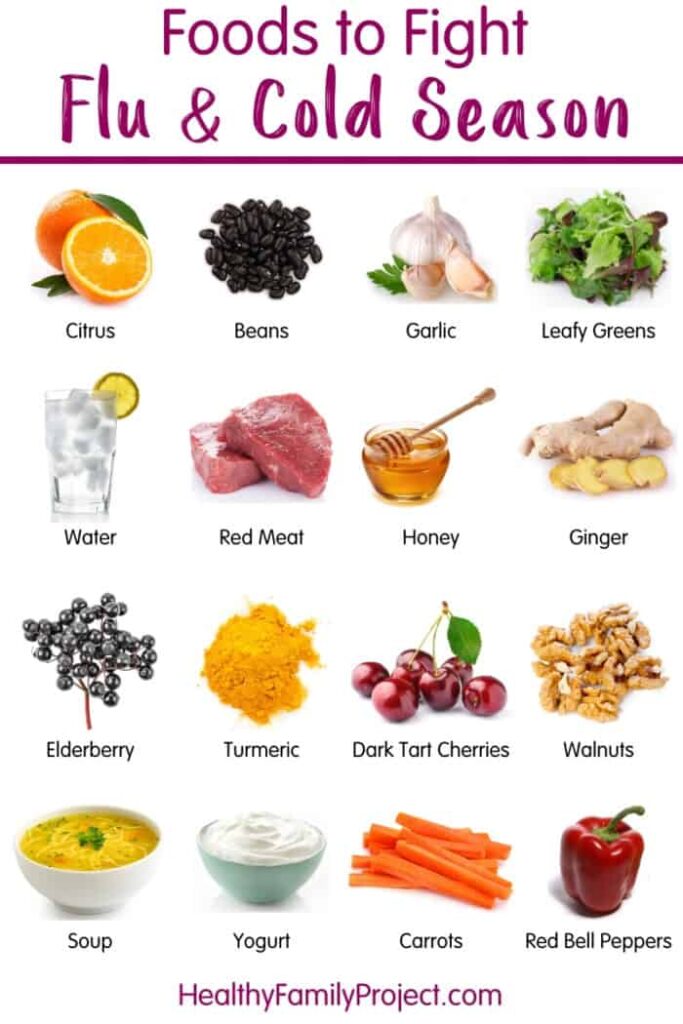
In the midst of winter, our bodies need extra support to combat the chill. While a warm cup of tea or a cozy blanket can provide temporary comfort, incorporating specific foods into your diet can help boost your immune system and reduce the risk of colds and flu.
Understanding Temperature-Resistant Foods
Some foods are naturally warmer than others due to their high water content, nutrient density, or specific chemical composition. These temperature-resistant foods can help increase our body’s internal temperature, making us less susceptible to illness.
The Importance of a Balanced Diet
A balanced diet that includes a variety of whole foods is essential for maintaining overall health and immune function. While we’ll focus on specific temperature-resistant foods, it’s crucial to remember that a well-rounded diet should always be the foundation of our nutritional plan.
Top Temperature-Resistant Foods
Legumes
Legumes are an excellent source of protein, fiber, and minerals like iron, which is essential for healthy red blood cells. They’re also rich in antioxidants and can help regulate body temperature. Try incorporating more legumes into your diet, such as ceci (chickpeas) and lentils.
- Ceci (Chickpeas): Rich in protein, fiber, and minerals like iron and potassium.
- Lentils: High in protein, fiber, and minerals like iron and zinc.
- Kidney Beans: Good source of protein, fiber, and minerals like potassium and magnesium.
Fruits and Dried Fruit
Fruits and dried fruits are packed with vitamins, minerals, and antioxidants that support immune function. Choose seasonal fruits like citrus, apples, and pears, and consider adding dried fruits like dates, apricots, and prunes to your diet. Nuts and seeds, such as almonds, cashews, and pumpkin seeds, also provide essential nutrients.
- Citrus Fruits: High in vitamin C, which supports immune function.
- Apples: Rich in antioxidants and fiber.
- Pears: Good source of vitamin C and potassium.
Vegetables
Vegetables are rich in vitamins, minerals, and antioxidants that help regulate body temperature and support immune function. Focus on including a variety of colorful vegetables like carrots, sweet potatoes, and leafy greens (spinach, kale, broccoli) in your diet.
- Carrots: High in vitamin A, which supports immune function.
- Sweet Potatoes: Rich in vitamin A and fiber.
- Leafy Greens: Good source of vitamins A, C, and K.
Cereals
Whole grains like brown rice, quinoa, and whole-wheat bread provide sustained energy and essential nutrients. Look for cereals that are high in fiber and protein, such as oats and barley, which can help regulate body temperature.
- Brown Rice: Good source of fiber and manganese.
- Quinoa: Complete protein and rich in iron and magnesium.
- Whole-Wheat Bread: Rich in fiber and B vitamins.
Protein-Rich Foods
Include a variety of protein-rich foods like lean meats (chicken, turkey), fish, beans, lentils, and eggs in your diet to support immune function.
- Lean Meats: Good source of protein and iron.
- Fish: Rich in omega-3 fatty acids and protein.
- Beans and Lentils: High in protein, fiber, and minerals like iron and zinc.
- Eggs: Good source of protein and vitamin D.
Dairy Products
Dairy products like milk, yogurt, and cheese provide essential nutrients like calcium and vitamin D, which support immune function. Choose low-fat or fat-free options whenever possible.
- Milk: Rich in calcium and vitamin D.
- Yogurt: Good source of protein and probiotics.
- Cheese: Rich in calcium and protein.
Other Temperature-Resistant Foods
In addition to the foods mentioned above, consider incorporating other temperature-resistant foods into your diet:
- Herbs and Spices: Certain herbs and spices like ginger, garlic, and cinnamon have natural antimicrobial properties that can help support immune function.
- Teas and Infusions: Herbal teas like peppermint, chamomile, and licorice root tea can provide soothing benefits and support immune function.
Combining Foods for Optimal Benefits
By combining these temperature-resistant foods in your diet, you can create a comprehensive nutritional plan that supports overall health and immune function. Here are some tips:
- Eat a Rainbow: Include a variety of colorful vegetables, fruits, and herbs in your diet to provide a broad range of essential nutrients.
- Incorporate Legumes: Add legumes like ceci (chickpeas) or lentils to your meals for an extra boost of protein and fiber.
- Choose Whole Grains: Opt for whole grains like brown rice, quinoa, and whole-wheat bread to provide sustained energy and essential nutrients.
By following these tips and incorporating temperature-resistant foods into your diet, you can help support your immune system and reduce the risk of colds and flu this winter season.
Frequently Asked Questions
- What is the best way to incorporate legumes into my diet?
- Try adding legumes like ceci (chickpeas) or lentils to soups, salads, or stir-fries for a nutritious boost.
- How can I choose the right cereals for optimal health benefits?
- Opt for whole grains like brown rice, quinoa, or whole-wheat bread for sustained energy and essential nutrients.
- What are some effective ways to incorporate herbs and spices into my diet?
- Add herbs and spices like ginger, garlic, or cinnamon to soups, stews, or roasted vegetables for natural antimicrobial benefits.
Conclusion
Combating cold and flu requires a multi-faceted approach that includes a well-balanced diet, regular exercise, and sufficient sleep. By incorporating temperature-resistant foods into your diet, you can support your immune system and reduce the risk of illness.


