
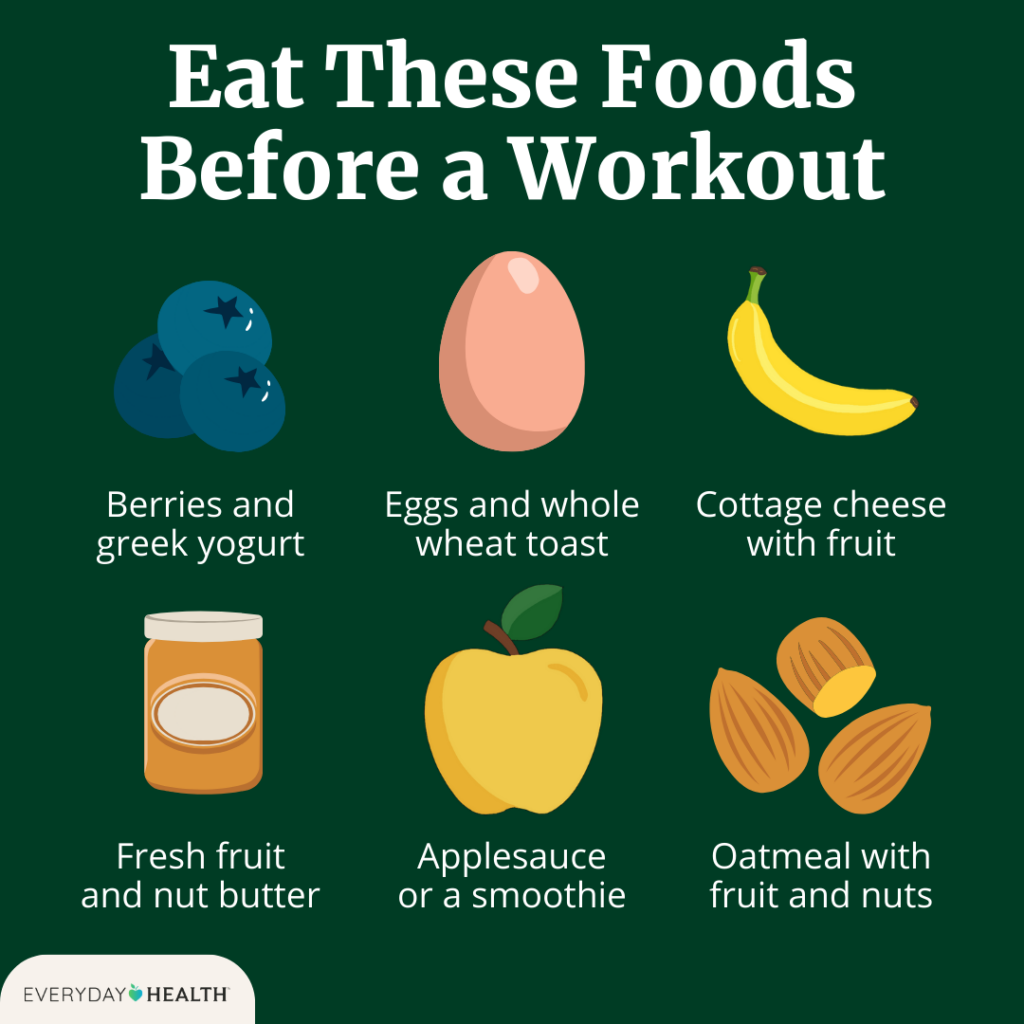
Are you wondering what to eat before a workout? The answer is not as simple as it seems. While some foods can provide energy and support performance, others may hinder your progress or even lead to negative side effects.
In this article, we’ll delve deeper into the world of pre-workout nutrition, exploring the best foods to fuel up with, their benefits, drawbacks, and optimal consumption times. Whether you’re an athlete, fitness enthusiast, or simply looking to improve your overall health, this guide will provide you with the knowledge and tools needed to make informed decisions about what to eat before hitting the gym.
The Importance of Proper Nutrition Before a Workout
When it comes to working out, proper nutrition plays a crucial role in performance and recovery. The food we eat before exercise can impact our energy levels, endurance, and overall well-being. A well-planned meal or snack can provide the necessary fuel for optimal performance, while a poorly chosen option can lead to decreased energy, fatigue, and even injury.
The Science Behind Pre-Workout Nutrition
To understand what to eat before a workout, it’s essential to consider the science behind pre-workout nutrition. When we exercise, our bodies require energy in the form of carbohydrates, protein, and healthy fats. Here’s how these macronutrients work together:
- Carbohydrates: Provide energy for high-intensity activities like sprinting or weightlifting
- Protein: Supports muscle recovery and growth
- Healthy Fats: Helps with hydration and reduces inflammation
Choosing the Right Foods
So, what should you eat before a workout? Here are some of the best options:
- Bananas: Rich in potassium, bananas help prevent muscle cramps and support hydration.
- Pistachios: These nuts provide a boost of protein and healthy fats to keep you full and energized throughout your workout.
- Whole-grain toast with almond butter and banana slices : Complex carbohydrates, healthy fats, and protein come together in this satisfying snack that provides sustained energy.
- Greek yogurt with berries and honey: A mix of carbohydrates, protein, and fiber helps support muscle recovery and satisfaction.
Foods to Avoid Before a Workout
On the other hand, some foods can actually hinder your performance or lead to negative side effects. These include:
- Sugary snacks and drinks: Consuming high amounts of sugar before exercise can cause an energy crash, decreased endurance, and even dizziness.
- High-fiber foods: While fiber is essential for overall health, consuming large amounts of high-fiber foods before exercise can cause digestive discomfort and reduced performance.
- Caffeine overload: Excessive caffeine consumption can lead to jitters, anxiety, and an energy crash.
Tips for Optimal Nutrition Before a Workout
To get the most out of your pre-workout meal or snack, follow these tips:
- Eat at least 2-3 hours before exercise: Allow time for digestion and prevent discomfort during exercise.
- Choose complex carbohydrates: Whole grains, fruits, and vegetables provide sustained energy and support muscle recovery.
- Incorporate protein: Protein helps build and repair muscle tissue, supporting overall health and performance.
- Stay hydrated: Adequate hydration is essential for exercise performance and recovery.
Additional Considerations
When choosing what to eat before a workout, consider the following factors:
- Individual needs: Take into account your age, sex, weight, and fitness level when selecting pre-workout foods.
- Workout type: Choose foods that align with the intensity and duration of your workout.
- Personal preferences: Select foods that you enjoy and can stomach during exercise.
Common Pre-Workout Mistakes
To avoid common mistakes, keep the following in mind:
- Not eating enough: Failing to consume adequate calories before exercise can lead to decreased performance and energy crashes.
- Eating too much: Consuming excessive calories or unhealthy foods before exercise can cause digestive discomfort and reduced performance.
- Inadequate hydration: Not staying hydrated before and during exercise can lead to dehydration, dizziness, and decreased performance.
Conclusion
Eating the right foods before a workout can significantly impact your performance, recovery, and overall well-being. By choosing complex carbohydrates, protein, and healthy fats, you can fuel up for optimal results. Remember to avoid sugary snacks and drinks, high-fiber foods, and excessive caffeine consumption to minimize negative side effects.
Frequently Asked Questions
- What is the best time to eat before a workout?: Aim to eat at least 2-3 hours before exercise to allow for digestion.
- Can I eat a meal instead of a snack before a workout?: Yes, but choose complex carbohydrates and protein sources to support sustained energy and muscle recovery.
- How much caffeine is too much before a workout?: Consume no more than 200mg (about one cup of coffee) to avoid jitters and an energy crash.
By following these tips and guidelines, you can optimize your nutrition before exercise and achieve your fitness goals. Whether you’re looking to improve performance or support overall health, the right foods can make all the difference.


