
As the temperature drops, it’s easy to forget about our hydration needs. But staying hydrated is crucial, even in winter. While we may not be sweating as much, our bodies still lose water through sweat evaporation, and our diuresis increases due to low temperatures. So, what can we drink in the winter?
Why Drink in Winter
In summer, it’s obvious why we need to stay hydrated: we’re hot, thirsty, and sweating buckets. But in winter, we’re less aware of our body’s water needs. Our bodies continue to lose water through evaporation, and we need to make sure we’re drinking enough to compensate. Not drinking enough can lead to dehydration, which can cause serious problems like dizziness, fatigue, and even fainting.
Dehydration is a common issue in the winter months, especially among older adults, athletes, and individuals with certain medical conditions. When our bodies are not getting enough water, we may experience symptoms such as headaches, dark urine, and decreased blood pressure. In severe cases, dehydration can lead to serious complications like heat stroke or kidney damage.
Drinking Habits in Winter
We tend to drink less in winter because of the cold weather. However, this can be misleading: our bodies still lose water through sweat evaporation, and we need to drink more to compensate. Some people may also experience increased diuresis due to low temperatures or illness. This is why it’s essential to stay on top of your hydration game during the winter months.
In addition to the physical demands of cold weather, there are other factors that can affect our hydration levels in the winter. For example:
- Medications: Certain medications, such as diuretics and certain antibiotics, can increase urine production and lead to dehydration.
- Illnesses: Respiratory infections like the common cold or flu can cause dehydration due to increased mucus production and fever.
- Sleep disorders: Poor sleep quality or insomnia can disrupt our body’s natural hydration processes.
Tips for Drinking in Winter
To stay hydrated and avoid dehydration, here are some practical tips:
- Drink a glass of water as soon as you wake up to rehydrate after a night of sleep.
- Keep a bottle of water with you throughout the day, especially if you’re feeling thirsty or experiencing symptoms like headaches or fatigue.
- Eat hydrating foods like fruits, vegetables, and broth-based soups to supplement your water intake.
- Drink warm beverages like tea or coffee to help keep you hydrated and warm.
Warm Drinks in Winter
Now that we’ve covered the basics of drinking in winter, let’s explore some delicious and comforting warm drinks to enjoy during this time:
1. Hot Chocolate
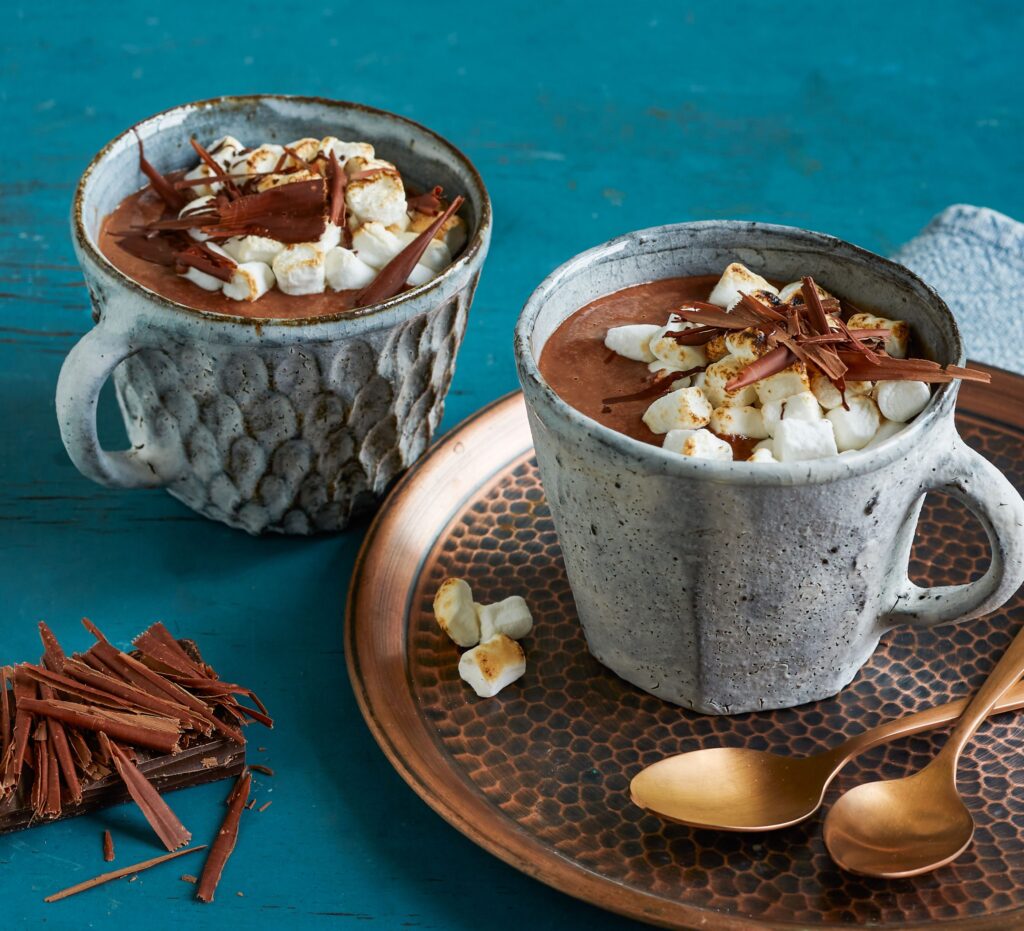
Who doesn’t love a rich, creamy cup of hot chocolate? Made with high-quality chocolate, milk, and sugar (or honey), it’s the perfect way to warm up on a cold winter day.
- Benefits: Rich in antioxidants and flavonoids, which can help improve heart health.
- Tips: Use dark chocolate for an extra boost of antioxidants, add a pinch of salt to balance out the sweetness, and top with whipped cream or marshmallows for added indulgence.
2. Spiced Apple Cider
A classic winter drink, spiced apple cider is made with apple juice, cinnamon sticks, and other spices like cloves and nutmeg. It’s a delicious and comforting way to warm up indoors.
- Benefits: Rich in antioxidants and anti-inflammatory compounds from the apple juice and spices.
- Tips: Use fresh apples for a more intense flavor, add a cinnamon stick to your teapot or mug for an extra boost of flavor, and experiment with different spice combinations for unique variations.
3. Mulled Wine
Mulled wine is a traditional winter drink that originated in Europe. Made with red wine, spices, and sugar, it’s perfect for sipping on a cold winter evening.
- Benefits: Rich in antioxidants and polyphenols from the grape juice, which can help improve heart health.
- Tips: Use high-quality red wine for the best flavor, add a splash of citrus like orange or lemon for added brightness, and experiment with different spice combinations to create unique variations.
4. Grog
Grog is a lesser-known drink that consists of rum, water, marmalade, and spices. It’s a delicious and warming way to enjoy the flavors of rum without the bitterness.
- Benefits: Rich in antioxidants and anti-inflammatory compounds from the marmalade and spices.
- Tips: Use high-quality rum for the best flavor, add a splash of citrus like lemon or orange for added brightness, and experiment with different spice combinations to create unique variations.
5. Irish Coffee
A classic cocktail made with whiskey, coffee, sugar, and whipped cream, Irish coffee is the perfect way to warm up on a cold winter evening.
- Benefits: Rich in antioxidants and polyphenols from the coffee beans.
- Tips: Use high-quality whiskey for the best flavor, add a splash of citrus like lemon or orange for added brightness, and top with whipped cream for an extra indulgent treat.
FAQs
- Q: What are some signs that I’m not drinking enough water in the winter?
A: Common symptoms include headaches, fatigue, dry skin, and decreased urine output. - Q: Can I drink cold beverages in the winter?
A: While it’s okay to drink cold beverages occasionally, it’s best to stick to warm drinks like tea or coffee during the winter months to help keep you hydrated and warm. - Q: How much water should I drink per day in the winter?
A: Aim for at least eight glasses of water per day, increasing as needed based on your activity level and individual needs. - Q: Can I drink soda or other sugary drinks in the winter?
A: No, it’s best to stick to water, unsweetened tea, or black coffee to avoid adding extra sugar to your diet. - Q: How can I make warm drinks more hydrating?
A: Add a slice of lemon or lime to your drink, use herbal teas like peppermint or chamomile, and opt for low-sugar sweeteners like honey or stevia.
In conclusion, staying hydrated in the winter is crucial for maintaining our health and well-being. By following these simple tips and trying out some delicious warm drinks, we can enjoy a happy and healthy winter season.


