
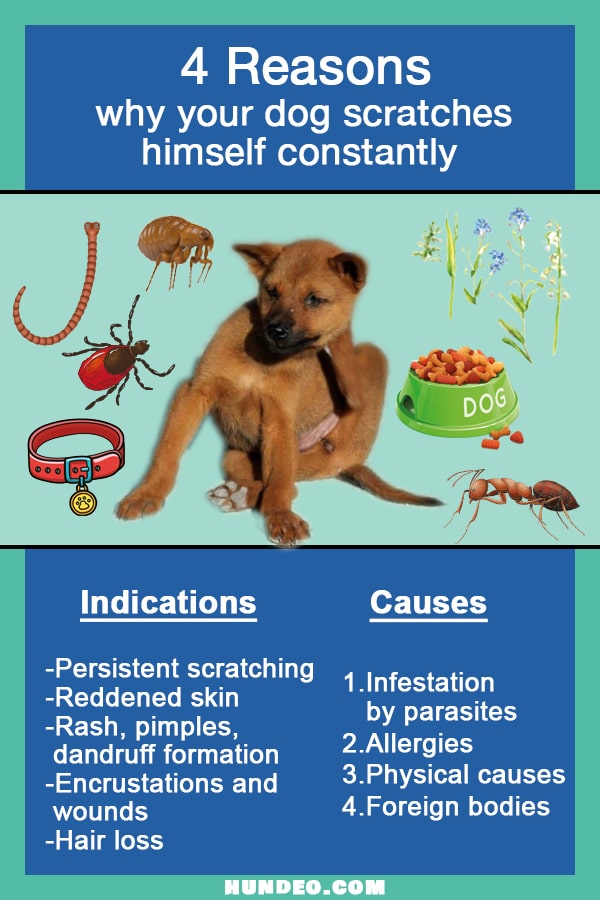
When your dog starts scratching, it’s natural to wonder what’s causing the discomfort. As with humans, our canine companions scratch for a variety of reasons, ranging from simple pruritus to underlying health issues or emotional triggers. In this article, we’ll delve into the world of canine scratching, exploring its causes, symptoms, and most importantly, effective solutions.
Assessing the Situation: A Closer Look at Canine Scratching
Before we dive into remedies, it’s crucial to evaluate the situation and distinguish between normal scratching behavior and potential health concerns. Just like humans, dogs exhibit different types of scratches, from minor irritations to more severe issues like skin allergies or parasites.
To better understand your dog’s scratching habits, consider the following factors:
- Frequency: Is the scratching occasional or frequent?
- Triggers: Are there specific situations or activities that prompt the scratching (e.g., after meals, near certain textures, or alone at home)?
- Location: Which areas of the body are being scratched?
Common Causes of Canine Scratching
- Allergies and Sensitivities
- Skin Irritations and Infections
- Parasites (e.g., Fleas, Ticks, Mites)
- Anxiety and Stress
- Nutritional Deficiencies
- Hormonal Imbalances
The Importance of Diet and Hygiene
A well-balanced diet and proper hygiene practices can significantly impact your dog’s skin health. A nutrient-rich food can help alleviate allergies and digestive issues, while regular grooming and cleaning can prevent skin irritations.
Some essential dietary considerations:
- Hypoallergenic diets: Can be beneficial for dogs with food allergies or sensitivities
- Omega-3 supplements: May help reduce inflammation and promote healthy skin
Hygiene practices to prioritize:
- Regular nail trimming
- Brushing and combing to prevent matting
- Frequent bathing (as needed)
- Keeping the environment clean and free from allergens



