
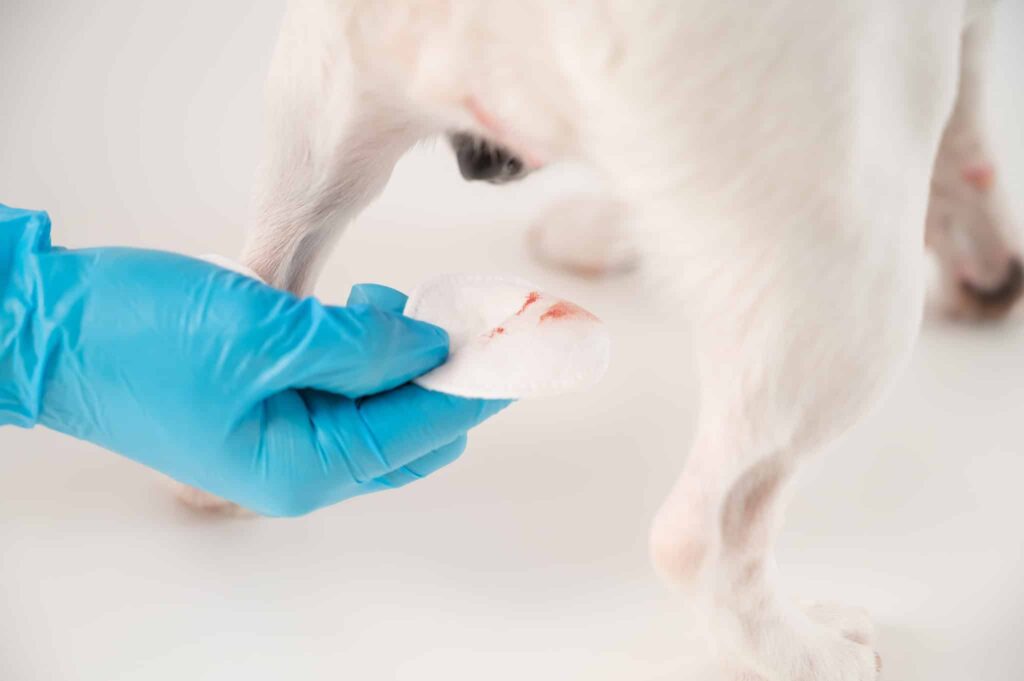
As a responsible dog owner, it’s essential to understand the concept of heat cycles in female dogs. In this article, we’ll delve into the various stages of a dog’s heat cycle, discuss common questions and concerns, and provide practical tips for supporting your furry friend during this time.
What is a Dog Heat Cycle?
A dog heat cycle, also known as estrus or season, is the period when a female dog is fertile and capable of conceiving. This stage is crucial in determining the best breeding strategies and providing optimal care for your canine companion.
The Four Stages of a Dog’s Heat Cycle
A dog’s heat cycle is typically divided into four stages: proestrus, estrus, diestrus, and anestrus.
- Proestrus: This stage lasts approximately 9 days and is characterized by increased glandular activity and vaginal secretions in the animal.
- Estrus: The estrus phase can vary in duration from 3 to 17 days and marks the most fertile period for a female dog. During this time, she’ll be more active, and display signs of heat.
- Diestrus: This stage lasts approximately 9 days and indicates that the dog is no longer fertile. Vaginal secretions may decrease or disappear during this phase.
- Anestrus: The anestrus phase can last up to 100 days and marks a period when a female dog is not fertile.
Factors Influencing Heat Cycles
A dog’s heat cycle can be influenced by various factors, including:
- Breed: Different breeds have distinct heat cycles, making it essential to research specific characteristics for your canine companion.
- Age: Younger dogs may experience shorter or more frequent heat cycles.
- Health: Underlying health issues can impact a dog’s reproductive health and lead to irregular heat cycles.
- Environment: Climate, diet, and stress levels can affect a dog’s overall well-being and influence their heat cycle.
Monitoring Heat Cycles
Regular monitoring is crucial in identifying potential issues with your dog’s heat cycle. Consult with your veterinarian or an experienced breeder to determine the best approach for your specific situation.
Managing Heat Cycles
To ensure a smooth transition, consider the following tips:
- Provide regular veterinary check-ups to monitor health and fertility.
- Maintain a balanced diet that supports overall reproductive health.
- Keep your home clean and well-maintained to reduce stress and prevent accidents.
- Offer plenty of exercise and mental stimulation to promote physical and emotional well-being.
When Can I Bathe My Dog During Heat Cycle?
If your dog experiences bleeding during her heat cycle, it’s best to wait until the bleeding stops before bathing. If you must bathe your dog, use gentle products specifically formulated for dogs and avoid getting any discharge or staining on your skin or surfaces.
Do Dogs Experience Pain During Heat Cycles?
While there’s no concrete evidence that dogs feel pain during their heat cycles, behavioral changes can occur, such as increased restlessness, frequent urination, and irritability. Keep a close eye on your dog’s behavior and consult with your veterinarian if you notice any unusual signs.
Frequently Asked Questions (FAQs)
Q: How often do dogs go into heat?
A: The frequency of heat cycles varies depending on breed, age, health, and environmental factors.
Q: Can I breed my dog during heat cycle?
A: Consult with a veterinarian or experienced breeder to determine the best breeding strategy for your specific situation.
Q: Is it safe to give my dog treats during heat cycle?
A: Consult with your veterinarian before introducing new foods or treats to ensure they won’t harm your dog’s reproductive health.
Q: Can I get pregnant while on heat?
A: Only if you’re not spayed, and even then, there are no guarantees. Regular veterinary check-ups can help monitor fertility and reduce the risk of unwanted litters.
Q: How do I know when my dog is anestrus?
A: If your dog hasn’t shown any signs of heat for an extended period (usually 100 days), she’s likely in anestrus.
Q: Can I train my dog during heat cycle?
A: Absolutely! Training remains a great way to bond with your dog and reinforce good behavior, even during her heat cycle.
Q: Is there anything I can do to reduce stress for my dog during heat cycle?
A: Provide plenty of exercise, mental stimulation, and reassurance. Consult with your veterinarian if you notice any signs of distress or anxiety.
By understanding the intricacies of a dog’s heat cycle and taking proactive steps to support their reproductive health, you can ensure a smooth and happy experience for both you and your furry companion.


