
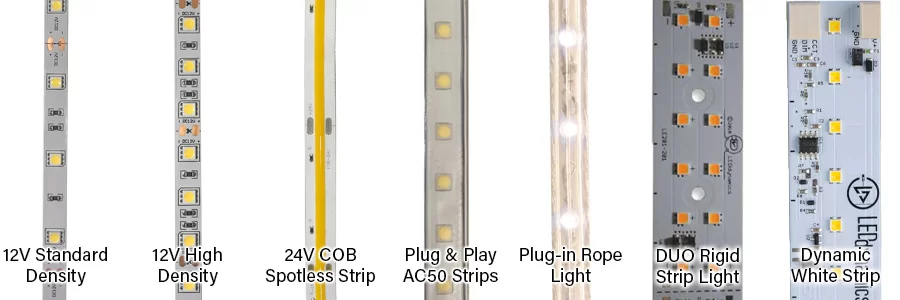
As we navigate the world of lighting, LED strips have become increasingly popular due to their exceptional quality and performance. In the past, they were primarily used as decorative elements to create ambiance, but today, they play a crucial role in illuminating entire spaces. In this article, we’ll delve into the various aspects of LED strips, exploring their benefits, features, and considerations for optimal selection.
Why Opt for LED Strips?
LED strips have revolutionized the lighting industry with their numerous advantages. The primary benefit is the significant energy savings they offer. Compared to traditional lighting methods, LED strips can reduce energy consumption by up to 80%. This reduction extends beyond just the electricity bill; it also accounts for the longer lifespan of these strips, which can last up to 20 years.
Another significant advantage is their compact size, making them ideal for installation in various locations throughout your home or office. This flexibility allows you to create a customized lighting solution that suits your specific needs.
The aesthetic appeal of LED strips should not be overlooked either. They enhance the visual elements of your space, creating beautiful highlights and accentuating architectural features.
Factors to Consider When Selecting LED Strips
With so many types of LED strips available, it’s essential to consider several key factors when making a decision:
Color Temperature: Warm White or Cool White?
The color temperature of the light is an important aspect to evaluate. The color temperature can be classified into three main categories:
- Warm white (2700K-3000K): This color temperature produces a warm, cozy ambiance and is ideal for spaces where relaxation is key.
- Neutral white (3500K-4100K): This option offers a balanced light that suits most areas, such as living rooms or offices.
- Cool white (5000K-6500K): Cool white light has a brighter, more energizing quality and is often used in spaces where focus and concentration are required.
When deciding between warm white and cool white, consider the purpose of each room. Warm white light is suitable for bedrooms or living areas, while cool white light is better suited for workspaces or entryways.
Number of LEDs per Meter
The number of LEDs per meter is another crucial factor to evaluate when selecting LED strips. This parameter directly affects the strip’s luminosity. Generally, higher numbers of LEDs result in increased brightness. However, it’s not always necessary to have the highest possible number; a lower count may be sufficient for decorative purposes or smaller spaces.
IP Rating: Protecting Your Investment
The IP (Ingress Protection) rating is vital when considering outdoor installations or areas with high humidity. The first digit indicates protection against solid particles, such as dust or sand. The second digit represents resistance to water or moisture. For example, an IP 68 rating means the strip can withstand immersion in water up to 1 meter for 30 minutes.
Power Consumption and Voltage
To determine the power consumption of your LED strip, you’ll need to look at the wattage (W). However, voltage (V) is also essential to understand. Voltage indicates the electrical pressure within the strip, which directly affects its lifespan. If you plan to install a long strip, consider a lower voltage to avoid voltage drops and maintain consistent power output.
Creating Atmosphere with RGB Strips
RGB strips take lighting to a whole new level by allowing for dynamic color changes. With a single press of a button, you can create various moods, from romantic ambiance to festive celebrations. Whether you’re looking to enhance a specific area or create an immersive experience, these strips are sure to impress.
In addition to their aesthetic appeal, RGB strips also offer several practical benefits:
- Customization: With the ability to change colors and patterns, RGB strips can be tailored to suit any occasion or atmosphere.
- Convenience: Many modern controllers allow for easy programming and control of your strip’s color settings.
- Energy Efficiency: RGB strips often feature low power consumption, making them an energy-efficient choice.
Additional Features to Consider
When selecting LED strips, it’s also worth considering additional features that can enhance their performance and functionality:
- SMD (Surface Mount Device) LEDs: These small, individual LEDs are commonly used in LED strip applications due to their compact size and high brightness.
- Wired or Wireless Control: Choose between traditional wired connections or wireless control options for greater flexibility and convenience.
- Dimming Capabilities: Some LED strips offer dimming capabilities, allowing you to adjust the brightness to suit your needs.
Common Applications for LED Strips
LED strips are versatile lighting solutions that can be applied in a variety of settings:
- Decorative Lighting: Add ambiance and visual interest to any space with LED strip lighting.
- Task Lighting: Highlight specific areas or objects, such as stairs, handrails, or architectural features.
- Accent Lighting: Create dramatic effects by placing LED strips behind furniture, under shelving units, or along walls.
Frequently Asked Questions
- What is the best type of LED strip for outdoor use?
- Look for strips with high durability ratings (IP 68 or higher) to ensure they can withstand harsh weather conditions.
- How often should I replace my LED strips?
- Depending on usage, LED strips typically last between 15,000 to 50,000 hours before needing replacement.
- Can I use any voltage with my LED strip?
- Always check the specifications provided by the manufacturer to ensure compatibility with your power source.
- How do I install an RGB strip?
- Follow the manufacturer’s instructions and take necessary precautions to avoid electrical shock or damage to surrounding materials.
- What is the difference between a warm white and cool white LED strip?
- Warm white strips produce a softer, cozier light, while cool white strips offer a brighter, more energizing ambiance.
By choosing the right LED strip for your needs and understanding its unique features, you can create an immersive and functional lighting experience that enhances your space and elevates your lifestyle.


