
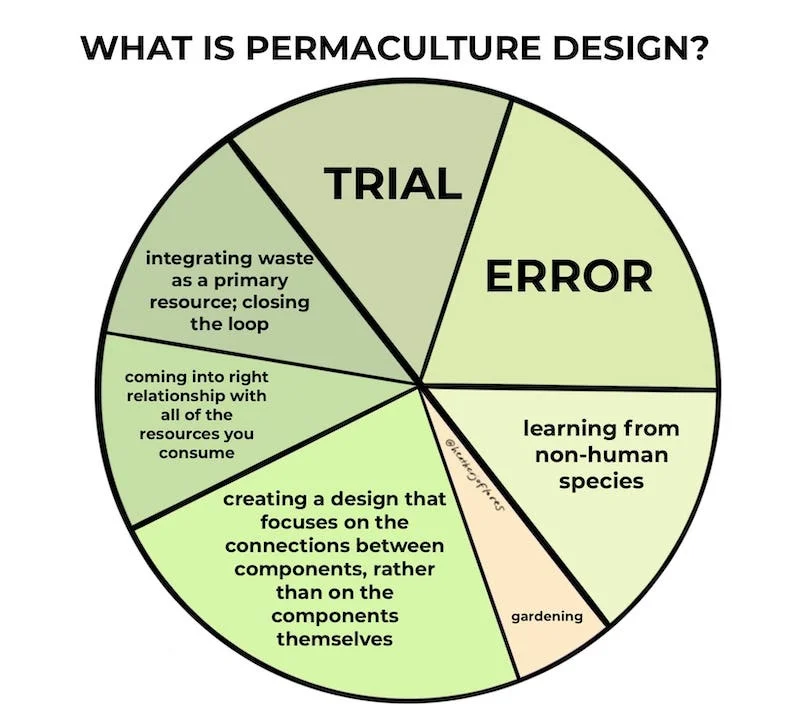
Permaculture is a design method for human settlements that utilizes agriculture to meet the nutritional needs of a population while respecting the territory. It aims to create sustainable and balanced ecosystems where humans can thrive without harming the environment.
In this article, we will explore the concept of permaculture and its practical applications in various settings, from urban to rural areas.
The History of Permaculture
Permaculture was first introduced by Bill Mollison and David Holmgren in 1978. Their book, “Permacultura: An Introduction,” explains how to combine knowledge from diverse fields such as natural agriculture, bioarchitecture, climatology, economics, botany, forestry, ecology, and more to cultivate in harmony with nature.
Principles of Permaculture
Permaculture is a holistic approach that seeks to create a balanced and sustainable environment. It involves applying strategies to maintain the equilibrium of ecosystems, which are based on the principles of natural systems. The key concepts include:
- Working with nature, rather than against it
- Maximizing biodiversity and minimizing waste
- Creating closed-loop systems where resources are recycled and minimized
- Using renewable energy sources whenever possible
Where to Apply Permaculture
Permaculture can be applied in various settings, including urban gardens, balconies, rooftops, and rural areas. It can also be integrated into existing buildings and communities.
Practical Applications of Permacultura
There are numerous ways to practice permaculture in your daily life, from small-scale gardening to larger-scale community projects.
- Urban Permaculture: Urban gardens and balconies can provide a space for growing fruits, vegetables, and herbs. Rooftop gardens can also be designed to maximize space and reduce urban heat island effects.
- Rural Permaculture: Rural areas can benefit from permaculture practices such as agroforestry, permaculture farming, and ecovillage design.
- Edible Landscaping: Edible landscaping involves incorporating edible plants into outdoor spaces, such as gardens, parks, and even urban landscapes.
Permaculture in Italy
Italy has seen a growing interest in permaculture in recent years. The Ragas farm in Bologna is an example of successful permaculture practices in Italy. The farm has been divided into nine zones, each with a specific purpose:
- Zone 1: Residential area and laboratory for producing products
- Zone 2: Nursery, wood collection, and domestic garden
- Zone 3: Cultivation of medicinal plants
- Zone 4: Seminative zone for cereals and vegetables
- Zone 5: Integrated livestock production (cattle, chickens, fruit trees, flowers, and grains)
- Zone 6: Relaxation area within an irrigation channel system leading to a river
- Zone 7: Irrigation pond for fish farming
- Zone 8: Extensive orchard area for various minor fruits
- Zone 9: Winter garden and other fruit trees
Permaculture for the Home Garden
In permaculture, there are no standard methods of cultivation. The approach emphasizes working with nature and finding solutions that benefit both humans and the environment.
To create a home garden according to permaculture principles, consider the following:
- Use animal power: Using animals like chickens or ducks can help maintain vegetation levels.
- Choose plant varieties: Select plants that are native to your region and require minimal maintenance.
- Incorporate cover crops: Cover crops can help improve soil health and reduce erosion.
Gardening with Animals
Keeping animals in the home garden can be a great way to create a sustainable and balanced ecosystem. Here are some examples:
- Chicken tractor: Using a chicken tractor allows chickens to forage while maintaining vegetation levels.
- Beekeeping: Beekeeping can help pollinate plants and provide honey.
Permaculture in Urban Settings
Urban areas can benefit from permaculture practices, such as edible landscaping and rooftop gardens. Here are some ideas:
- Vertical gardening: Using trellises or obelisks to support climbing plants can make the most of vertical space.
- Rainwater harvesting: Collecting rainwater can reduce water waste and provide a source of clean water for plants.
Conclusion
Permaculture is a holistic approach that seeks to create sustainable and balanced ecosystems. By applying permaculture principles in various settings, from urban gardens to rural areas, we can work with nature rather than against it. Whether you’re interested in gardening or building design, permaculture offers a wealth of knowledge and inspiration for creating a more sustainable future.
FAQs
- What is the difference between permaculture and sustainable living?
Permaculture is a specific approach to sustainable living that focuses on designing systems that work with nature. Sustainable living encompasses a broader range of practices, including reducing waste, conserving resources, and promoting eco-friendly technologies. - How can I get started with permaculture in my home garden?
Start by assessing your garden’s climate, soil type, and existing plant life. Then, research local plant varieties that are well-suited to your conditions. Consider using animal power or cover crops to maintain vegetation levels. Finally, incorporate edible plants into your garden design. - What are some common mistakes people make when trying permaculture?
One common mistake is assuming that permaculture requires a lot of land or resources. In reality, small-scale permaculture practices can be just as effective and rewarding. Another mistake is not considering the local climate and soil conditions when selecting plant varieties. - How does permaculture compare to other sustainable gardening methods?
Permaculture differs from other sustainable gardening methods in its emphasis on working with nature rather than against it. While other approaches may focus on reducing waste or conserving resources, permaculture seeks to create balanced ecosystems that provide multiple benefits for humans and the environment. - Can permaculture be applied to urban settings?
Yes, permaculture can be applied in urban settings, such as rooftop gardens or edible landscaping. These projects often require creative solutions for space constraints and resource limitations. - What are some potential challenges of implementing permaculture in a community?
Potential challenges include coordinating efforts among multiple stakeholders, managing resources, and addressing any existing social or economic inequalities. - How can I measure the success of a permaculture project?
Success can be measured by evaluating the project’s impact on local ecosystems, biodiversity, and human well-being. Consider using metrics such as water usage reduction, soil health improvement, and increased food security to assess your project’s effectiveness. - Can permaculture be used in conjunction with other sustainable practices?
Absolutely. Permaculture can be combined with other sustainable practices, such as renewable energy production or waste reduction programs, to create a comprehensive approach to sustainability.
By understanding the principles of permaculture and how it can be applied in different settings, you can begin to create a more sustainable future for yourself and your community.


