
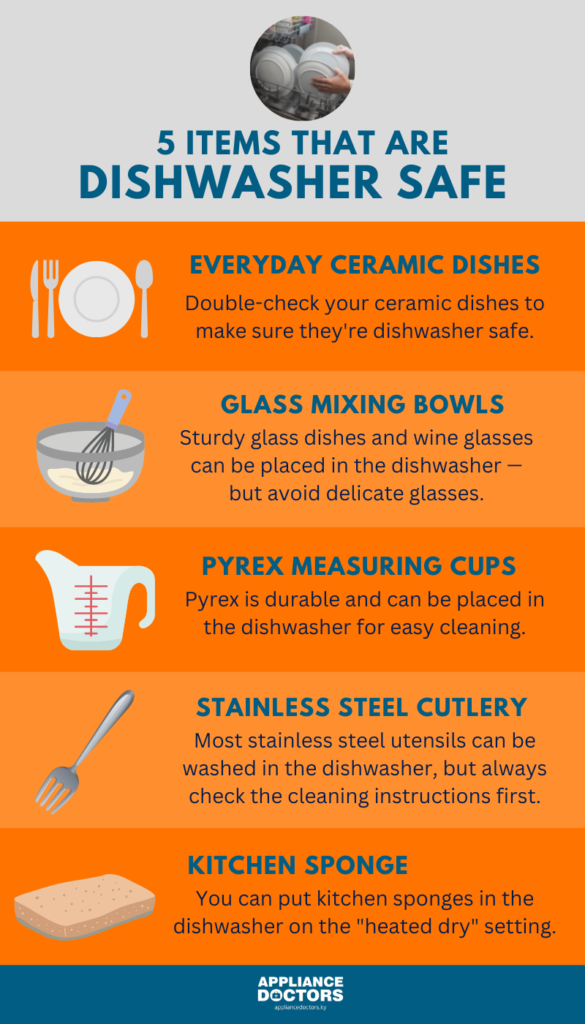
The dishwasher has become an indispensable appliance in many households, offering a convenient way to clean dishes, utensils, and other kitchen items. However, not all items are created equal when it comes to being washed in a dishwasher. In this article, we’ll explore what can and cannot be put in the dishwasher to ensure you’re using this appliance safely and effectively.
Understanding the Risks of Putting the Wrong Items in the Dishwasher
The dishwasher has gained immense popularity among Italians, and for good reason! Its ease of use, efficiency, and ability to make quick work of dirty dishes have made it a staple in many kitchens. But, as with any technology, there are risks involved if you’re not careful.
Why the Dishwasher is So Popular
The dishwasher has several advantages that have contributed to its widespread adoption:
- Convenience: With the rise of busy lifestyles, people appreciate the ease of loading their dishes into a machine and letting it do the work for them.
- Energy Efficiency: Modern dishwashers use significantly less water and energy than hand washing, making them a more environmentally friendly option.
- Sanitization: Dishwashers can reach extremely high temperatures, which is ideal for sanitizing dishes and utensils.
What Not to Put in the Dishwasher
While the dishwasher is incredibly useful, there are certain items that should never be put inside. Here’s why:
Delicate Glassware
Glassware with intricate designs or delicate patterns should never be put in the dishwasher. The high temperatures and harsh detergents can cause them to crack or shatter.
- If you must wash glassware, use a gentle cycle with cold water and a mild detergent.
- Consider hand-washing your glassware for extra care.
Sharp Knives
Professional knives should never be washed in the dishwasher due to their sharp edges. This can cause damage to the appliance or lead to injuries.
- Hand-wash your knives using hot water and a gentle detergent.
Wooden Utensils
Wooden utensils, such as spoons and spatulas, can be damaged by the high temperatures and harsh detergents in the dishwasher.
- Wash wooden utensils with mild soap and warm water.
Non-Stick Pans
Pans coated with non-stick materials like Teflon should not be washed in the dishwasher. This can damage the coating and cause it to flake off.
- Clean non-stick pans using a soft cloth and gentle soap.
Ceramic Utensils
While ceramic utensils are more durable than glassware, they still require special care when washing them in the dishwasher.
- Hand-wash ceramic utensils with mild soap and warm water.
Stone Cookware
Pots and pans made from natural stone should never be washed in the dishwasher due to their porous nature. This can cause damage to the stone or lead to rust.
- Wash stone cookware by hand using a gentle soap and warm water.
Lime Stone or Porous Materials
Porcelain, terracotta, or any other material that’s prone to absorbing water should not be washed in the dishwasher.
- Clean these materials by hand using a mild detergent and warm water.
As you can see, some items require special care when washing them. By understanding what can and cannot be put in the dishwasher, you’ll be able to use this appliance safely and effectively.
Cleaning the Dishwasher
But how do you keep your dishwasher clean? Here are some tips:
- Run a cleaning cycle every 1-2 months.
- Leave the dishwasher door open after each cycle to allow it to dry.
- Use a gentle detergent specifically designed for washing dishes.
By following these simple steps, you’ll be able to maintain your dishwasher’s performance and extend its lifespan.


