
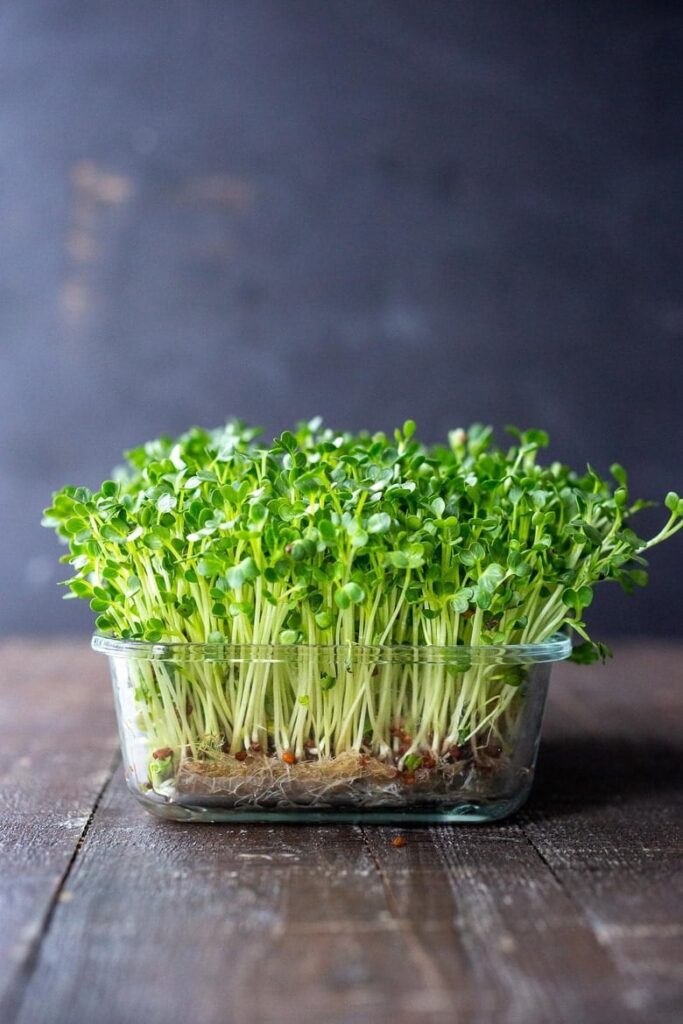
Microgreens are young, nutrient-dense versions of leafy greens and other vegetables that have gained popularity in recent years. Native to Italy, microgreens are now becoming increasingly popular among Italian cooks, but they also have a growing following globally. In this article, we’ll delve into the world of microgreens, exploring what they are, how they’re grown, and why they’re considered a superfood.
What Are Microgreens?
Microgreens are young, immature versions of leafy greens and other vegetables that are harvested within 1-3 weeks of germination. They’re typically grown in controlled environments, such as indoor gardens or greenhouses, where the conditions can be optimized for growth. Unlike traditional gardening, microgreen cultivation requires minimal space and resources, making it an attractive option for urban gardeners.
The Benefits of Microgreens
Microgreens offer a range of benefits that make them an excellent addition to any diet. They’re:
- Nutrient-dense: Microgreens are packed with vitamins, minerals, and antioxidants that can boost your immune system and overall health.
- Easy to grow: With the right conditions, microgreens can be grown indoors or outdoors, making them a great option for beginners.
- Versatile: Microgreens can be used in a variety of dishes, from salads and sandwiches to smoothies and stir-fries.
Microgreens: The Next Superfood
Microgreens have been gaining popularity in recent years due to their impressive nutritional profile. According to research conducted at the University of Maryland, microgreens contain bioactive compounds that are 10 times more abundant than those found in traditional vegetables.
Some of the key benefits of microgreens include:
- Increased antioxidant levels: Microgreens contain a range of antioxidants that can help protect against cell damage and reduce inflammation.
- Improved digestion: Microgreens are rich in fiber, which can help regulate bowel movements and support healthy gut bacteria.
- Boosted immune system: The vitamins and minerals found in microgreens can help support immune function and reduce the risk of illness.
Getting Started with Microgreens
If you’re interested in growing your own microgreens, here’s a step-by-step guide to get you started:
- Choose the right container: Select a container that is at least 5 cm deep and has drainage holes to prevent waterlogged soil.
- Select the right seed: Choose a high-quality seed that is specifically designed for microgreen cultivation.
- Provide the right environment: Microgreens require a controlled environment with optimal temperatures (20-24°C), humidity, and light.
- Maintain the right pH levels: Keep the soil pH between 5.5 and 6.5 to ensure optimal growth.
Growing Microgreens at Home
With the right equipment and knowledge, you can grow microgreens at home. Here are some tips for growing microgreens indoors:
- Use LED grow lights: LED grow lights provide a spectrum of light that is ideal for microgreen cultivation.
- Maintain consistent temperatures: Keep the temperature between 20-24°C to ensure optimal growth.
- Monitor humidity levels: Maintain a relative humidity of 50-70% to prevent water stress.
Tips for Growing Microgreens Outdoors
If you prefer to grow your microgreens outdoors, here are some tips to keep in mind:
- Choose the right location: Select a location with partial shade and well-draining soil.
- Use a greenhouse or cold frame: A greenhouse or cold frame can provide the necessary protection for your microgreens from extreme weather conditions.
- Monitor temperature and humidity levels: Keep an eye on temperature and humidity levels to ensure optimal growth.
Common Microgreen Varieties
There are many different varieties of microgreens that you can grow, each with its own unique flavor and nutritional profile. Some popular varieties include:
- Pea shoots: Pea shoots have a sweet, tender taste and are rich in protein and fiber.
- Lettuce: Lettuce microgreens have a mild, slightly bitter taste and are packed with vitamins A and K.
- Radish: Radish microgreens have a spicy, crunchy texture and contain antioxidants that can help reduce inflammation.
Harvesting Microgreens
When harvesting your microgreens, it’s essential to do so at the right time. Here are some tips for determining when your microgreens are ready:
- Check the growth stage: Harvest your microgreens when they reach the desired size and maturity.
- Use scissors or a sharp knife: To avoid damaging the delicate greens, use scissors or a sharp knife to harvest them.
Using Microgreens in Cooking
Microgreens can be used in a variety of dishes, from salads and sandwiches to smoothies and stir-fries. Here are some ideas for using microgreens in cooking:
- Salads: Add microgreens to your favorite salad recipe for an extra boost of nutrition.
- Sandwiches: Use microgreens as a topping on sandwiches or wraps for added flavor and texture.
- Smoothies: Blend microgreens into your smoothie for an extra dose of antioxidants and nutrients.
Conclusion
Microgreens are a nutrient-dense, versatile, and easy-to-grow superfood that can add variety and nutrition to any diet. With the right equipment and knowledge, you can grow microgreens at home and enjoy their impressive nutritional profile.
Frequently Asked Questions
- What is the best way to store microgreens?
Microgreens should be stored in a cool, dark place to preserve their freshness. - How long do microgreens take to grow?
Microgreens typically take 1-3 weeks to grow from seed to harvest. - Can I grow microgreens outdoors?
While it’s possible to grow microgreens outdoors, they require a controlled environment with optimal temperatures, humidity, and light. - Are microgreens safe for consumption?
Microgreens are considered safe for consumption and have been grown without pesticides or other contaminants. - Can I use microgreens in cooking?
Yes! Microgreens can be used in a variety of dishes, from salads and sandwiches to smoothies and stir-fries.
Conclusion
Microgreens are a superfood that offer numerous health benefits due to their nutrient-dense profile. By following the guidelines outlined in this article, you can easily grow your own microgreens at home or purchase them from local farmers’ markets.


