
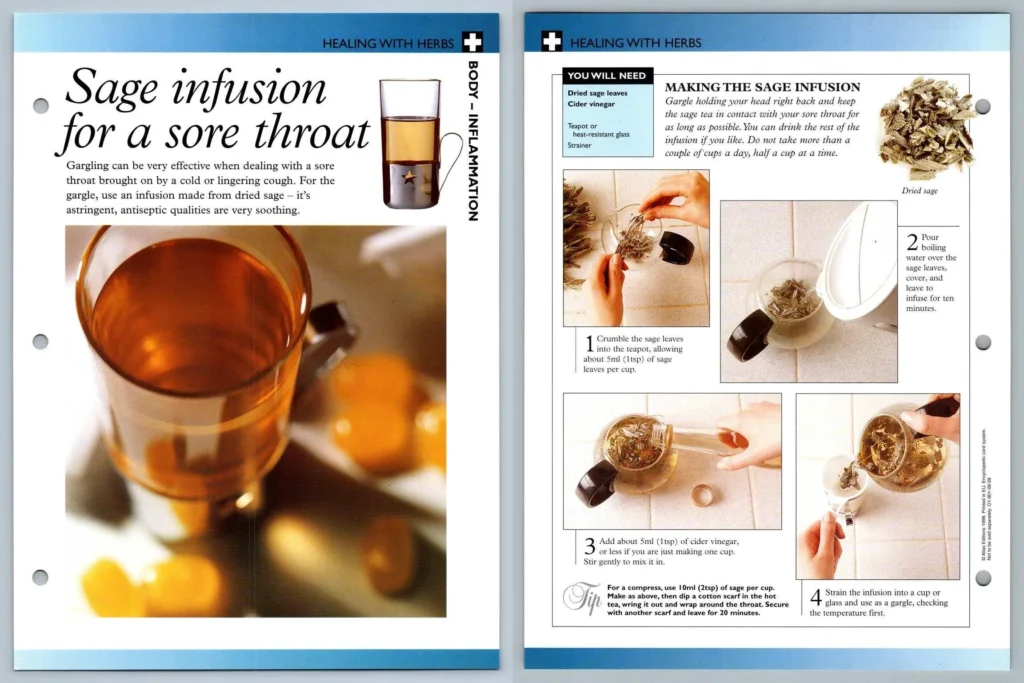
As we navigate the world of herbal infusions, there are many options to choose from. Among them, sage tea stands out as a unique and potent remedy with a rich history. But what exactly is it used for, and how can we harness its benefits?
What is Sage Tea Used For?
Sage tea has been utilized for centuries, and its uses extend far beyond just soothing the throat or alleviating digestive issues. This ancient herb, native to the Mediterranean region, boasts a multitude of benefits that make it an excellent addition to any health routine.
In this article, we’ll delve into the properties of sage, its potential advantages, and provide guidance on how to prepare and consume this remarkable tea.
The Plant of Sage
Before we dive into the world of sage tea, let’s take a closer look at the plant itself. A member of the mint family, sage is a versatile herb with oval-shaped leaves and vibrant flowers that come in various colors, including pink, white, and purple.
Sage has a distinct, pungent flavor and aroma, making it an excellent addition to cooking and traditional remedies.
Properties of Sage
For centuries, sage has been renowned for its medicinal properties. The ancient Greeks and Romans used it to improve cognitive function and treat various ailments. Today, research continues to uncover the numerous benefits of this remarkable herb:
- A natural remedy for respiratory issues and digestive problems
- Helps regulate blood sugar levels
- An astringent that reduces inflammation
- Antimicrobial properties to combat infections
- Anti-spasmodic effects to alleviate muscle cramps
- Relieves menstrual cramps, headaches, and stomach discomfort
- Boosts immune function
- Rich in vitamins A and C
- Prevents water retention
- Helps regulate body temperature
A Closer Look at Sage Tea
Now that we’ve explored the properties of sage, let’s examine its potential benefits when consumed as a tea. This infusion is particularly effective for:
- Digestive issues: After indulging in heavy meals or consuming spicy foods, sipping on sage tea can help soothe the stomach and alleviate discomfort.
- Respiratory problems: The antimicrobial properties of sage make it an excellent remedy for colds, coughs, and other respiratory issues.
- Menstrual relief: Sage tea has been used to ease menstrual cramps, headaches, and other symptoms associated with PMS.
Preparing Sage Tea
Preparation is key to unlocking the full potential of sage tea. Here’s a simple recipe to get you started:
Ingredients:
- 1 cup water
- 2 tablespoons dried sage leaves or fresh sage
Instructions:
- Boil the water and add the sage leaves or fresh sage.
- Steep for 3-4 minutes, allowing the flavors and nutrients to infuse into the tea.
- Strain the tea and enjoy hot or cold.
Tips and Precautions
When consuming sage tea, keep in mind:
- Gravidanza e allattamento: Sage contains properties that may induce abortion, so it’s essential to avoid consumption during pregnancy and breastfeeding.
- Insufficienza renale e instabilità neurovegetativa: High doses of tujone, a compound found in sage, can be toxic. Consult with a healthcare professional before consuming large quantities.
History of Sage Tea
Sage tea has been used for centuries, with records of its use dating back to ancient civilizations. The Greek physician Hippocrates is known to have recommended sage as a treatment for various ailments, including digestive issues and respiratory problems.
In the Middle Ages, sage was used extensively in traditional medicine, particularly during times of war when soldiers relied on herbal remedies to alleviate symptoms.
Modern Research
In recent years, researchers have conducted extensive studies on the potential benefits of sage tea. These studies have revealed a multitude of benefits, including:
- Improved cognitive function and memory
- Enhanced immune system function
- Reduced inflammation and improved wound healing
- Relief from menstrual cramps and other symptoms associated with PMS
Using Sage Tea in Cooking
While sage tea is primarily used as a medicinal infusion, it can also be used as an ingredient in cooking. This versatile herb adds flavor and aroma to various dishes, including soups, stews, and roasted meats.
When using sage in cooking, keep the following tips in mind:
- Use fresh or dried sage leaves depending on personal preference.
- Add sage towards the end of cooking time to preserve its delicate flavor and aroma.
- Combine sage with other herbs, such as thyme and rosemary, for added depth of flavor.
Conclusion
Sage tea is a potent infusion that offers numerous benefits for overall health and well-being. By understanding its properties, preparing it correctly, and using it in cooking, you can harness the power of this remarkable herb to improve your digestive health, respiratory function, and more. As always, consult with a healthcare professional before adding any new remedies to your routine.
Frequently Asked Questions
- What is sage tea good for?
Sage tea is excellent for digestive issues, respiratory problems, menstrual relief, and immune system support. - How do I prepare sage tea?
Boil water, add dried or fresh sage leaves, and steep for 3-4 minutes. Strain and enjoy hot or cold. - Can I drink sage tea every day?
Consult with a healthcare professional before consuming sage tea daily, especially if you have pre-existing medical conditions or allergies. - Is sage tea safe to consume during pregnancy?
Sage contains properties that may induce abortion, so it’s essential to avoid consumption during pregnancy and breastfeeding. - Can I use sage tea as a substitute for medication?
Sage tea is not a substitute for prescription medication. Consult with a healthcare professional before using it as a treatment for any medical condition.


