
Unlocking the Power of Selenium: Benefits and Sources for a Healthier Life
Are you curious about the benefits of selenium? While iron and calcium are often in the spotlight, this essential mineral deserves attention too. In this article, we’ll delve into the characteristics, uses, and sources of selenium to understand its importance for our overall health and well-being.
The Importance of Selenium: What Does it Do?
Selenium is a crucial element that plays a vital role in various bodily functions, from antioxidant properties to thyroid regulation and immune system support. With its ability to combat free radicals, selenium helps prevent oxidative stress, which can lead to chronic diseases like cancer, heart disease, arthritis, and respiratory issues.
The Discovery of Selenium: A Brief History
Selenium was discovered in 1817 by Swedish chemist Jons Jacob Berzelius. Its name is derived from the Greek word “selene,” meaning “moon,” likely due to its silvery appearance when melted and cooled rapidly.
Characteristics of Selenium
As an essential mineral, selenium has several characteristics that make it unique:
- Atomic number: 34
- Symbol: Se
- Chemical properties: Antioxidant, anti-inflammatory, and immune system regulator
Integrating Selenium into Your Diet: Supplements and Food Sources
While a balanced diet can provide adequate amounts of selenium, supplements may be necessary for individuals with specific needs or deficiencies. Here are some key points to consider:
- Recommended daily intake: 50-55 micrograms (mcg) for adults, increasing to 70 mcg during pregnancy and lactation
- Maximum safe intake: 400 mcg per day to avoid selenium toxicity
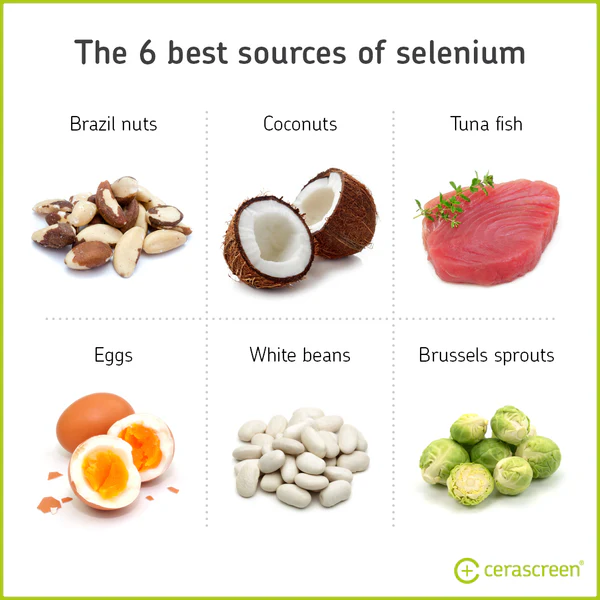
Food Sources of Selenium
Incorporating selenium-rich foods into your diet can help you meet your daily needs. Here are some essential sources:
- Cereals: Whole grains like brown rice, quinoa, and whole-wheat bread contain significant amounts of selenium
- Legumes: Lentils, chickpeas, and black beans are excellent sources of this mineral
- Nuts and seeds: Brazil nuts, sunflower seeds, and pumpkin seeds are rich in selenium
- Fish and seafood: Oysters, mussels, and salmon are good sources of selenium
The Benefits of Selenium
Selenium has numerous benefits for our overall health. Some of the key advantages include:
- Antioxidant Properties: Selenium helps protect cells from damage caused by free radicals, reducing the risk of chronic diseases.
- Thyroid Regulation: Selenium is essential for thyroid function and can help regulate thyroid hormone production.
- Immune System Support: Selenium plays a role in immune system regulation and can help prevent infections.
- Cancer Prevention: Selenium has been shown to have anti-cancer properties, particularly in the prevention of prostate cancer.
Conclusion
In conclusion, selenium is an essential nutrient that plays a vital role in maintaining overall health. By understanding its characteristics, benefits, and food sources, you can make informed decisions about incorporating it into your diet. Remember to consult with a healthcare professional before taking any supplements.
FAQs:
Q: What is the recommended daily intake of selenium?
A: The recommended daily intake of selenium varies by age and sex, but for adults, it’s typically around 50-55 micrograms (mcg) per day.
Q: Can I get too much selenium from food sources?
A: Yes, consuming excessive amounts of selenium can lead to toxicity. The maximum safe intake is 400 mcg per day.
Q: What are some common signs of selenium deficiency?
A: Selenium deficiency may cause fatigue, muscle weakness, hair loss, and skin problems.
Q: Can I get selenium from supplements or only through food sources?
A: Both supplements and food sources can provide adequate amounts of selenium. Consult with a healthcare professional before taking any supplements.
Q: Are there any specific selenium-rich foods that stand out?
A: Brazil nuts are an excellent source of selenium, containing about 19 mcg per serving.
Q: Can I get too much selenium from seaweed and seafood?
A: While some seaweed and seafood may contain selenium, excessive consumption can lead to toxicity. Moderation is key.
Q: How does selenium interact with other nutrients in the body?
A: Selenium interacts with other minerals like zinc, iron, and copper to maintain overall health.
Q: Can I get selenium from vitamin supplements or mineral supplements?
A: Some vitamin and mineral supplements may contain selenium, but it’s essential to consult with a healthcare professional before taking any supplements.



