
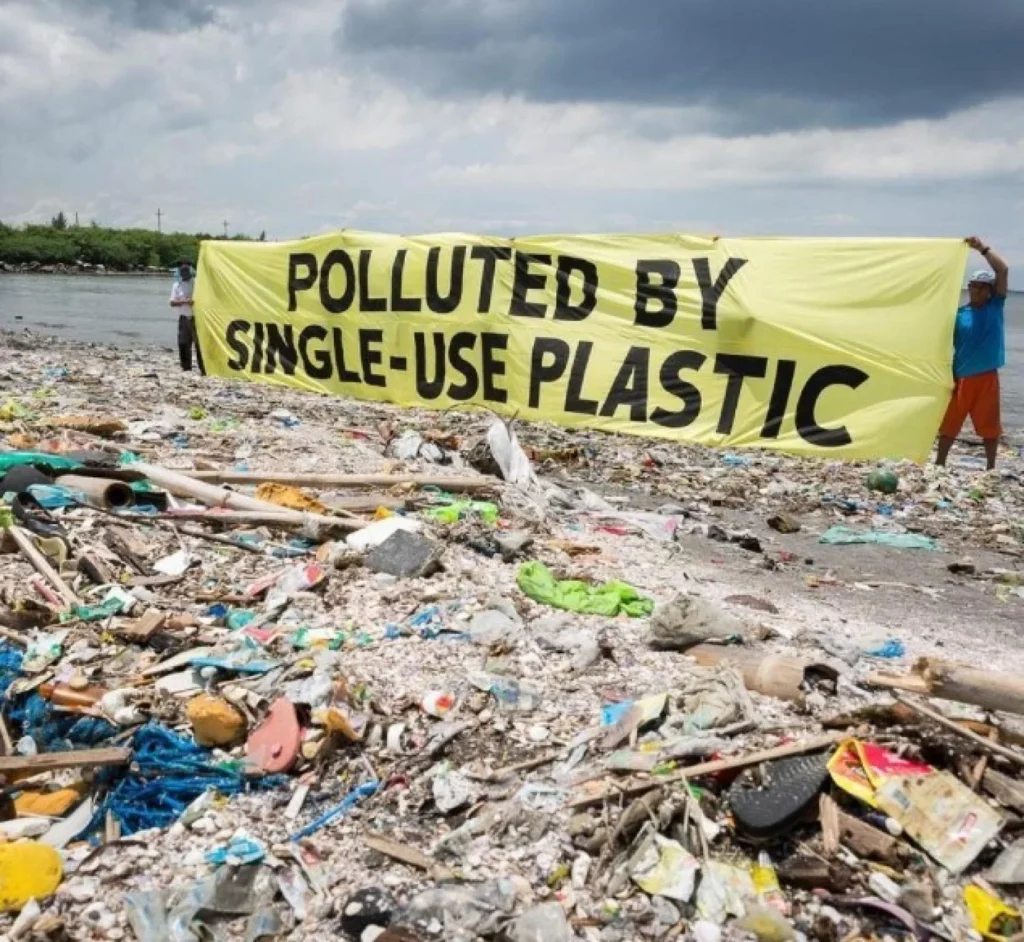
As one of the most widely used polymers in the world, polytetrafluoroethylene (PTFE) has become an essential material in various industries. However, its production process and environmental impact raise important questions about its sustainability. In this article, we will delve into the world of PTFE, exploring what it is, how it’s made, and why it’s considered a polluting substance.
What is a Polymer?
Before diving into PTFE, let’s understand what polymers are. The term “polymer” comes from the Greek words “poly,” meaning many, and “meros,” meaning part. Polymers are large molecules composed of multiple smaller units called monomers. In the case of PTFE, it is a polymer made up of fluorine atoms attached to carbon atoms.
Polytetrafluoroethylene (PTFE): A Brief Overview
PTFE is a thermoplastic polymer produced by heating and chemical reaction between tetrafluoroethene and hexafluoropropylene. The resulting material is strong, non-stick, and resistant to chemicals and heat. PTFE is used in various applications, including cookware, medical devices, electrical insulation, and industrial manufacturing.
Types of PTFE
There are two main types of PTFE: high-density (HDPE) and low-density (LDPE). HDPE is denser and more rigid than LDPE. While HDPE is commonly used for packaging materials and containers, LDPE is often used for flexible films and plastics.
Properties of PTFE
PTFE has several unique properties that make it useful in various industries:
- Non-stick surface: PTFE is resistant to sticking and corrosion.
- Chemical resistance: It can withstand harsh chemicals and extreme temperatures.
- High melting point: PTFE has a high melting point, making it suitable for applications requiring heat resistance.
Why is PTFE Polluting?
While PTFE has many benefits, its production process and environmental impact raise concerns:
- Non-renewable resources: PTFE is produced from non-renewable sources like petroleum.
- Lack of biodegradability: PTFE does not biodegrade easily, leading to long-term environmental consequences.
- Waste generation: The production and disposal of PTFE contribute to waste management issues.
The Impact on Marine Life
The presence of microplastics, including PTFE, in marine environments has raised concerns about the impact on marine life. These tiny plastics can be ingested by small animals, causing harm or even death. Moreover, microplastics can contaminate the food chain, leading to unintended consequences for humans who consume seafood.
Alternatives to PTFE
Researchers and manufacturers are exploring alternative materials that offer similar properties to PTFE while being more sustainable. Some of these alternatives include:
- Fluoropolymers: These polymers have similar chemical resistance properties as PTFE but are made from renewable resources.
- Bioplastics: Bioplastics are made from renewable sources such as corn starch or sugarcane, reducing dependence on non-renewable resources.
- Graphene-based materials: Graphene has superior mechanical and thermal properties compared to traditional polymers.
Conclusion
In conclusion, while PTFE has many benefits, its production process and environmental impact raise concerns. As we move forward, it’s essential to consider the sustainability of our materials and strive for more eco-friendly alternatives.
Frequently Asked Questions (FAQs)
- What is PTFE used for?
- PTFE is used in various applications, including cookware, medical devices, electrical insulation, and industrial manufacturing.
- Is PTFE biodegradable?
- No, PTFE does not biodegrade easily, making it a concern for environmental sustainability.
- Can PTFE be recycled?
- Efforts are being made to increase recycling rates for urban waste, but more work is needed to address this issue.
- What are the European Parliament’s initiatives regarding PTFE?
- The European Parliament has adopted directives to ban certain single-use plastics and set targets for increasing recycling rates.
- Can I use PTFE alternatives?
- Yes, there are alternative materials available that offer similar properties to PTFE while being more sustainable.
The Future of PTFE
As awareness about the environmental impact of PTFE continues to grow, it’s likely that manufacturers and consumers will seek out more eco-friendly alternatives. In response, innovators are developing new technologies and processes that can help reduce waste and minimize harm.
Innovative solutions include:
- Recycling technologies: Developing recycling technologies that can break down PTFE into its raw materials.
- Biodegradable alternatives: Creating biodegradable alternatives to PTFE that can easily decompose in the environment.
- Sustainable production methods: Implementing sustainable production methods that reduce waste and minimize environmental impact.
Challenges Ahead
While progress has been made, there are still significant challenges ahead in addressing the environmental impact of PTFE. Some of these challenges include:
- Lack of awareness: Many consumers and manufacturers remain unaware of the environmental impact of PTFE.
- Limited recycling options: Recycling options for PTFE are currently limited, making it difficult to manage waste.
- High production costs: Producing eco-friendly alternatives to PTFE can be expensive, making them less competitive in the market.
Conclusion
In conclusion, while PTFE has many benefits, its production process and environmental impact raise concerns. As we move forward, it’s essential to consider the sustainability of our materials and strive for more eco-friendly alternatives.


