
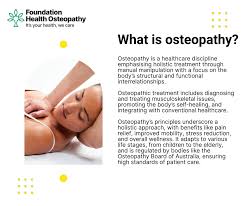
Osteopathy is a holistic approach to healthcare that focuses on treating physical discomfort and pain by examining the entire body, including muscles, joints, nerves, and the circulatory system. In simple terms, osteopathy is a medical practice that aims to restore balance to the body, allowing it to heal itself more efficiently.
The Philosophy of Osteopathy
Osteopathy is based on four fundamental principles:
- The Body is an Unit: Mind, body, and spirit are all interconnected and interdependent. This means that osteopaths believe that treating one aspect of the body can have a positive impact on other areas.
- The Body has a Natural Healing Capacity: The body has the ability to heal itself when given the right conditions. Osteopaths work with the body’s natural healing process to restore balance and promote recovery.
- Structure and Function are Correlated: The structure of the body affects its function, and vice versa. This means that osteopaths look at how the body is structured and how it functions, to identify areas where they can make a positive impact.
- Treatment is Based on the Body’s Natural Healing Mechanism: Osteopaths work with the body’s natural healing process to restore balance and promote recovery.
How Osteopathy Works
Osteopaths use a variety of techniques to diagnose and treat conditions. These may include:
- Massage: This involves manipulating soft tissue, such as muscles and tendons, to relieve tension and promote relaxation.
- Energetic muscle testing: This is a technique used by osteopaths to assess the body’s energy system. It involves applying pressure to specific points on the body to determine areas of imbalance or weakness.
- Stretching: This can help to relieve tension in the muscles and improve flexibility.
- Joint mobilization: Osteopaths use gentle movements to increase range of motion and reduce stiffness in joints.
- Pilates: This involves a series of exercises designed to strengthen the core muscles, improve posture, and enhance overall physical fitness.
Each osteopath has their own approach, which can be broadly categorized into two main styles:
- Osteopathy Structural: This style focuses on direct manipulation of joints, muscles, and soft tissue.
- Osteopathy Cranial: This style uses gentle, subtle movements to influence the body’s energy.
What Conditions Can Osteopaths Treat?
Osteopaths can treat a wide range of conditions, including:
- Chronic pain
- Headaches
- Migraines
- Neck and back pain
- Sciatica
- Menstrual cramps
- Fibromyalgia
- Sports injuries
- Arthritis
Osteopaths can also help with pre- and post-operative care, as well as address underlying issues that may be contributing to a condition.
Why Choose Osteopathy?
Osteopathy is a holistic approach to healthcare that can offer numerous benefits. Some of the advantages of osteopathy include:
- A non-invasive treatment method
- A focus on natural healing processes
- A comprehensive approach to treating the whole body, not just the symptoms
- A personalized treatment plan tailored to individual needs
Osteopathy is also a highly respected profession, with many practitioners working in hospitals and clinics around the world.
The Benefits of Osteopathic Treatment
Research has shown that osteopathic treatment can have numerous benefits for both physical and mental health. Some of the benefits include:
- Reduced pain: Osteopaths can help to reduce pain by relieving tension in muscles and joints.
- Improved mobility: Osteopaths can help to improve range of motion and reduce stiffness in joints.
- Enhanced well-being: Osteopathic treatment can have a positive impact on mental health, reducing stress and promoting relaxation.
Conclusion
Osteopathy is a highly effective and holistic approach to healthcare that can offer numerous benefits. By understanding the principles of osteopathy and how it works, individuals can make informed decisions about their health and well-being. If you’re considering trying osteopathic treatment, be sure to consult with a qualified practitioner who can provide personalized advice and care.
Frequently Asked Questions (FAQs)
Q: What is osteopathy?
A: Osteopathy is a holistic approach to healthcare that focuses on treating physical discomfort and pain by examining the entire body.
Q: How does osteopathy work?
A: Osteopaths use a variety of techniques, including massage, energetic muscle testing, stretching, joint mobilization, and Pilates, to diagnose and treat conditions.
Q: What conditions can osteopaths treat?
A: Osteopaths can treat a wide range of conditions, including chronic pain, headaches, migraines, neck and back pain, sciatica, menstrual cramps, fibromyalgia, sports injuries, and arthritis.
Q: Is osteopathy safe?
A: Osteopathy is generally considered safe, but as with any healthcare treatment, there may be some risks involved. It’s always best to consult with a qualified osteopath or healthcare professional before starting treatment.
Q: How long does an osteopathic treatment take?
A: The length of an osteopathic treatment can vary depending on the individual and the condition being treated. Typically, treatments last between 30-60 minutes.
Q: Can osteopathy be used in conjunction with other forms of treatment?
A: Yes, osteopathy can be used in conjunction with other forms of treatment, such as medication or surgery, to provide a more comprehensive approach to healthcare.
Q: How often should I receive osteopathic treatment?
A: The frequency of osteopathic treatment depends on the individual and the condition being treated. Typically, treatments are recommended every 4-6 weeks for chronic conditions.


