
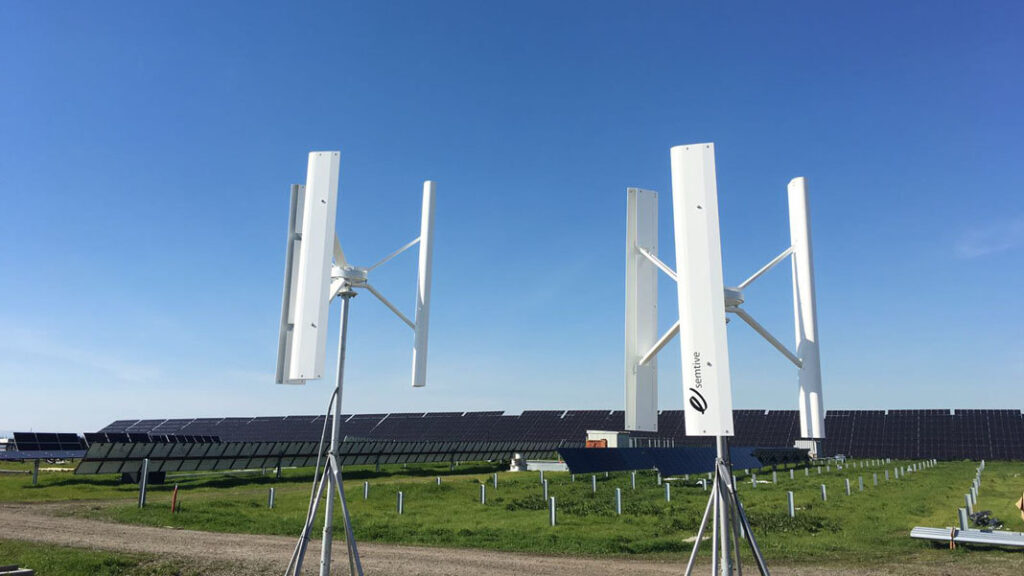
As the world shifts towards renewable energy sources, mini wind turbines have emerged as a smaller, more versatile alternative to traditional wind turbines. In this article, we’ll delve into the world of mini wind turbines, exploring their design, installation options, and benefits.
What is a Mini Wind Turbine?
A mini wind turbine is a small-scale version of conventional wind turbines. With dimensions that can range from 2 meters in height, they are designed to be more compact and adaptable to various environments, making them ideal for rural areas, urban spaces, and industrial settings.
Applications and Installation Options
Mini wind turbines can be installed on:
- Mobile structures like boats or campers
- Commercial buildings, terraces, and rooftops
- Agritourism sites and agricultural areas
These turbines can produce a maximum of 60 kW of electricity, with the diameter of the rotor varying from 1 meter to 18 meters.
The Evolution of Mini Wind Turbines
Mini wind turbines can also be used in conjunction with emerging technologies to improve energy efficiency. Companies are exploring ways to increase power output and reduce costs, making them more viable for widespread adoption.
Potential users of mini wind turbines include:
- Agricultural companies with large areas
- Industrial facilities connected directly to the grid
- Commercial buildings seeking renewable energy solutions
Size Options: The Mini Wind Turbine Scale
Mini wind turbines come in various sizes, just like clothing. Enel Green Power has developed a sizing chart that categorizes mini wind turbines into XS (for boats and campers), S, M, L, and XL (for agricultural areas and grid-connected systems).
These size options allow users to choose the most suitable turbine for their specific needs, taking into account factors such as energy requirements, available space, and local regulations.
Orientation and Layout: A New Perspective
Mini wind turbines can be installed with either an horizontal or vertical axis. Horizontal-axis models are the most common, featuring a traditional vertical rotor that aligns itself with the wind direction.
Vertical-axis models are less prevalent but offer unique benefits, such as reduced noise levels and higher efficiency in certain wind conditions. However, they tend to be more expensive than their horizontal counterparts.
Accessibility and Regulatory Compliance
Mini wind turbines can be installed by anyone. For smaller systems (less than 60 kW), the necessary authorization is often obtained through a simple “Denuncia di Inizio Attività” process with the local municipality.
However, if an installation takes place in a protected area, additional permits are required from authorities such as park management or cultural heritage organizations.
Maintenance and Repair: Ensuring Optimal Performance
Regular maintenance and repair are crucial to ensure optimal performance from mini wind turbines. This includes:
- Regular inspections for damage or wear and tear
- Replacement of worn-out parts or blades
- Cleaning of the turbine to maintain efficiency
By following these guidelines, users can extend the lifespan of their mini wind turbine and maximize energy production.
Conclusion: Harnessing the Potential of Mini Wind Turbines
Mini wind turbines offer a scalable and adaptable solution for renewable energy production. As technology advances, we can expect to see improvements in efficiency and costs, making them more accessible to a wider audience.
Whether you’re an agricultural company seeking to reduce your carbon footprint or an individual looking to harness the power of the wind, mini wind turbines are definitely worth considering.
Frequently Asked Questions
- Q: How do I choose the right mini wind turbine for my needs?
A: Consider factors such as your energy requirements, available space, and local regulations when selecting a mini wind turbine. - Q: Can I install a mini wind turbine on my own?
A: Yes, but be sure to follow all necessary safety protocols and regulatory guidelines. - Q: Are mini wind turbines suitable for urban areas?
A: While some mini wind turbines can be installed in urban settings, others may require special consideration due to noise levels or visual impact. - Q: Can I use a mini wind turbine with an existing grid connection?
A: Yes, but consult with your local utility company to determine the feasibility of doing so. - Q: How long do mini wind turbines typically last?
A: With proper maintenance, mini wind turbines can operate for 10-20 years or more. - Q: Can I use a mini wind turbine in areas with strong winds?
A: While some mini wind turbines are designed to withstand high winds, others may not be suitable. Consult the manufacturer’s specifications before installation. - Q: How do I maintain and repair my mini wind turbine?
A: Regularly inspect your turbine for damage or wear and tear, and consult a professional if you have any questions or concerns. - Q: Can I use multiple mini wind turbines to increase energy production?
A: Yes, but be aware that the total system size and installation requirements will increase accordingly.
Future Developments in Mini Wind Turbines
As technology advances, we can expect to see improvements in efficiency, cost-effectiveness, and adaptability of mini wind turbines. Some potential future developments include:
- Increased power output: Advances in turbine design and materials could lead to higher power outputs and reduced costs.
- Improved durability: Enhanced manufacturing processes and materials could increase the lifespan of mini wind turbines.
- Increased accessibility: Further reductions in cost and complexity could make mini wind turbines more accessible to a wider audience.
By staying informed about future developments, users can better anticipate how mini wind turbines will evolve and how they can adapt to changing energy needs.
Conclusion: Embracing the Future of Mini Wind Turbines
Mini wind turbines offer a scalable and adaptable solution for renewable energy production. As technology advances, we can expect to see improvements in efficiency and costs, making them more accessible to a wider audience.
Whether you’re an agricultural company seeking to reduce your carbon footprint or an individual looking to harness the power of the wind, mini wind turbines are definitely worth considering.


