
Crohn’s disease, also known as MDCC (Mucosal Diseases and Colitis), is a chronic and inflammatory condition that affects the mucous membranes and tissues of the digestive tract. It can cause strong inflammation in various parts of the gastrointestinal system, leading to significant consequences if left untreated. In this article, we will delve into the causes, symptoms, risks, and treatment options for Crohn’s disease.
What is Crohn’s Disease?
Crohn’s disease is a multifactorial condition that arises from a combination of genetic, autoimmune, infectious, and environmental factors. The exact cause of Crohn’s disease remains unknown, but research has made significant progress in understanding its underlying mechanisms.
Causes of Crohn’s Disease
While the exact causes of Crohn’s disease are still not fully understood, several factors contribute to its development. These include:
- Genetic predisposition: People with a family history of inflammatory bowel diseases (IBD) or other autoimmune conditions are more likely to develop Crohn’s disease.
- Autoimmune response: The immune system mistakenly attacks the healthy tissues in the digestive tract, leading to inflammation and damage.
- Environmental factors: Exposure to certain environmental toxins, such as pesticides and heavy metals, may trigger an immune response and increase the risk of developing Crohn’s disease.
- Infections: Certain infections, such as Salmonella or Shigella, can trigger an inflammatory response and contribute to the development of Crohn’s disease.
Symptoms of Crohn’s Disease
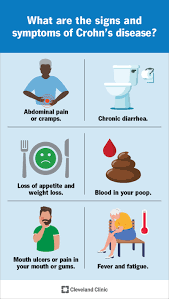
The symptoms of Crohn’s disease can vary widely depending on the location and severity of the inflammation. Common symptoms include:
- Gastrointestinal symptoms: Diarrhea, abdominal pain, weight loss, fatigue, and bloody stools
- Extraintestinal symptoms: Joint pain, skin rashes, eye problems, and mouth sores
While these symptoms can be uncomfortable and debilitating, they are often managed with medication and lifestyle changes.
Risks of Untreated Crohn’s Disease
If left untreated, Crohn’s disease can lead to serious complications, such as:
- Perforation: The intestinal wall may rupture, leading to peritonitis, an infection of the abdominal cavity
- Obstruction: The intestine may become blocked, preventing food from passing through and causing severe abdominal pain
- Abscession: An abscess may form in the affected area, requiring surgical intervention
While these complications can be life-threatening, prompt treatment and management can help alleviate symptoms and prevent long-term damage.
Good News: Advances in Treatment and Research
Recent breakthroughs in research and treatment have provided new hope for those living with Crohn’s disease. For example:
- New medications: Several new medications are being developed to target specific pathways involved in inflammation, offering more effective treatment options
- Surgery: Advances in surgical techniques and minimally invasive procedures have made it possible to repair damaged tissues and restore function
While there is no cure for Crohn’s disease, these advancements offer promise for improved management and quality of life.
Conclusion
Crohn’s disease is a complex and multifactorial condition that requires a comprehensive treatment approach. While the exact causes are still not fully understood, research has made significant progress in understanding its underlying mechanisms and identifying new therapeutic targets.
By working with healthcare professionals and making lifestyle changes, individuals with Crohn’s disease can manage their symptoms, prevent complications, and improve their overall quality of life.
Frequently Asked Questions
- What is the difference between Crohn’s disease and ulcerative colitis?
- Crohn’s disease and ulcerative colitis are both types of inflammatory bowel diseases (IBD), but they have distinct characteristics. Crohn’s disease affects any part of the gastrointestinal tract, while ulcerative colitis primarily affects the colon.
- Can I cure Crohn’s disease with diet alone?
- While dietary changes can help manage symptoms and improve quality of life, there is no single “cure” for Crohn’s disease. A comprehensive treatment plan, including medications and lifestyle modifications, is necessary to control inflammation and prevent complications.
- How long does it take to develop symptoms after diagnosis?
- Symptoms of Crohn’s disease can vary widely depending on the individual and the severity of the condition. In some cases, symptoms may appear within a few weeks of diagnosis, while in others, they may not develop until months or even years later.
- Can I still have children with Crohn’s disease?
- While Crohn’s disease can increase the risk of complications during pregnancy, many women with the condition are able to carry healthy pregnancies and give birth without issues. However, it is essential to work closely with healthcare providers to monitor health and develop a plan for managing symptoms during pregnancy.
- How do I know if my symptoms are caused by Crohn’s disease?
- If you experience persistent abdominal pain, diarrhea, weight loss, or other gastrointestinal symptoms that are not explained by other conditions, it is essential to consult with a healthcare provider for proper evaluation and diagnosis.
Living with Crohn’s Disease: Tips and Strategies
While managing Crohn’s disease can be challenging, there are several strategies that can help alleviate symptoms and improve quality of life. Here are some tips and strategies for living with Crohn’s disease:
- Maintain a healthy diet: Eating a balanced diet that is low in processed foods and high in fiber can help manage symptoms and reduce inflammation.
- Stay hydrated: Drinking plenty of water and other fluids can help prevent constipation and maintain bowel regularity.
- Exercise regularly: Regular exercise, such as walking or yoga, can help improve mood and reduce stress.
- Get enough sleep: Getting adequate sleep is essential for overall health and can help manage symptoms. Aim for 7-9 hours of sleep per night.
- Manage stress: Stress can exacerbate Crohn’s disease symptoms. Practice stress-reducing techniques such as meditation or deep breathing exercises.
Conclusion
Crohn’s disease is a complex and multifactorial condition that requires a comprehensive treatment approach. By working with healthcare professionals, making lifestyle changes, and staying informed about the latest research and treatments, individuals with Crohn’s disease can manage their symptoms, prevent complications, and improve their overall quality of life.
While there is no cure for Crohn’s disease, there is hope for improved management and quality of life through advances in treatment and research. By understanding the causes, symptoms, risks, and treatment options for Crohn’s disease, individuals can take control of their health and live a fulfilling life despite this chronic condition.


