
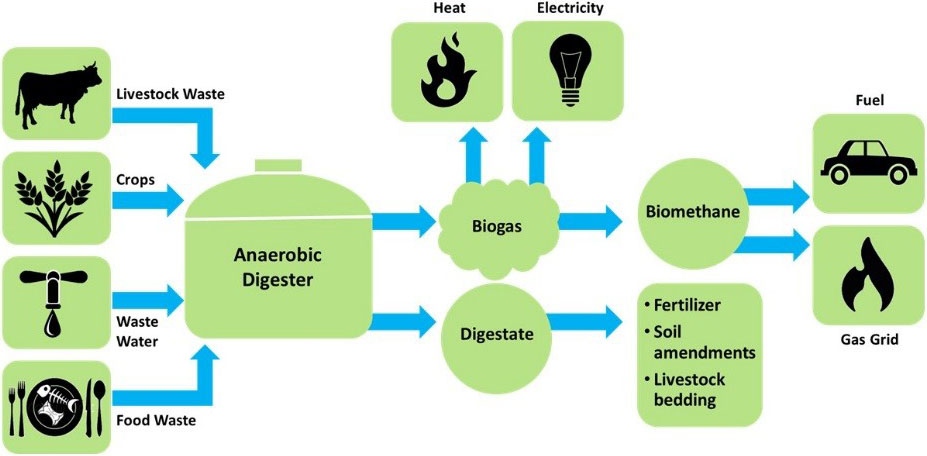
In recent years, the concept of biogas has undergone a significant transformation from being viewed as a problem to being recognized as a valuable resource. This shift in perspective is largely due to the growing awareness of the environmental and economic benefits associated with biogas production.
What is Biogas?
Biogas is a mixture of methane and carbon dioxide produced through the natural decomposition of organic waste present in landfills. While it was initially seen as a problem due to its toxic nature and potential environmental impact, biogas can be harnessed as a renewable energy source when utilized effectively.
Harnessing Biogas as an Energy Source
Biogas can be used as a fuel source in combined heat and power (CHP) plants to generate electricity and thermal energy for distribution into the grid. If not used for energy production, biogas can be safely disposed of through controlled combustion, reducing its environmental footprint.
Alternative Sources of Biogas
Beyond landfills, biogas can also be produced from organic waste streams such as animal manure and food waste (Forsu). For instance, the city of Lünen in Germany aims to generate 30-40% of its energy needs using biogas derived from farm animal waste. Similarly, Berlin is exploring a project that composts dog waste in urban areas to produce biogas.
Biogas from Food Waste
In Sweden, the city of Malmö has implemented a program where food waste (Forsu) is separated and transformed into methane, which is then burned to generate energy. A similar initiative is being considered for London, UK, to power 2,000 homes with biogas produced from food waste.
Biogas from Kitchen Scraps
A novel technology called the Dissipator of Food Waste Allocations (DRA) converts kitchen scraps into biogas without requiring prior planning. This device, invented in the USA in 1927, is used by half of American households and has recently been introduced in Stockholm, Sweden.
Italian Initiatives
In Italy, several initiatives are underway to promote the use of biogas. Marcopolo Environmental Group, a company based in Cuneo, has launched a project called “Progetto Ambientale Zooagrobioenergetico di Filiera a Ciclo Chiuso,” which recovers and valorizes organic matter from agricultural waste.
The Benefits of Biogas
Biogas production offers several benefits, including the destruction of greenhouse gases, reduction of CO2 emissions, and energy savings. Marcopolo’s technology, for example, produces biogas, green electricity, and humus, a natural soil conditioner.
Challenges and Opportunities
While there are challenges associated with implementing biogas production, such as water and electricity consumption, the benefits of this technology make it an attractive solution. The multi-criteria approach to waste management favors the use of DRA devices, as they balance resource consumption and recovery.
The Future of Biogas in Italy
In Italy, the theme of biogas is gaining momentum. Companies like Marcopolo are pioneering initiatives that convert organic waste into energy. While there are still challenges to overcome, the potential benefits of biogas production make it an exciting area for innovation and investment.
Case Studies: Success Stories from Around the World
- The Netherlands: The city of Rotterdam has implemented a biogas-powered bus fleet, reducing greenhouse gas emissions by 80%.
- Germany: The town of Kassel has established a community-based biogas production facility, generating energy and creating jobs.
- UK: A pilot project in London aims to power 2,000 homes with biogas produced from food waste.
Biogas Production in the Context of Sustainable Development
Biogas production is an important component of sustainable development strategies. By utilizing organic waste as a renewable energy source, we can reduce greenhouse gas emissions, promote energy security, and create economic opportunities.
The Role of Policy and Regulation
Policy and regulation play a crucial role in supporting the growth of biogas production. Governments can provide incentives for companies to invest in biogas technology, implement tax breaks for biogas-powered vehicles, and establish waste management programs that prioritize biogas production.
Conclusion: A Brighter Future for Biogas
The rise of biogas has the potential to transform the way we manage waste and produce energy. By harnessing the power of organic waste as a renewable energy source, we can create a more sustainable future for our planet.


