
Have you ever found yourself throwing away food that’s still good to eat? You’re not alone. According to a recent study by Altroconsumo, a leading consumer organization in Italy, 63% of Italians don’t know the difference between “use by” and “best before” dates on food packaging.
In this article, we’ll explore the surprising truth about food waste and what happens when you eat expired food. We’ll also provide tips on how to reduce food waste and make informed decisions about your grocery shopping.
Understanding Food Expiration Dates
There are two types of expiration dates on food packaging: “use by” and “best before.” While they may seem similar, they have different meanings:
- “Use by”: Indicates the last date on which the product is considered safe to eat. Consuming food after this date can lead to food poisoning or other health issues.
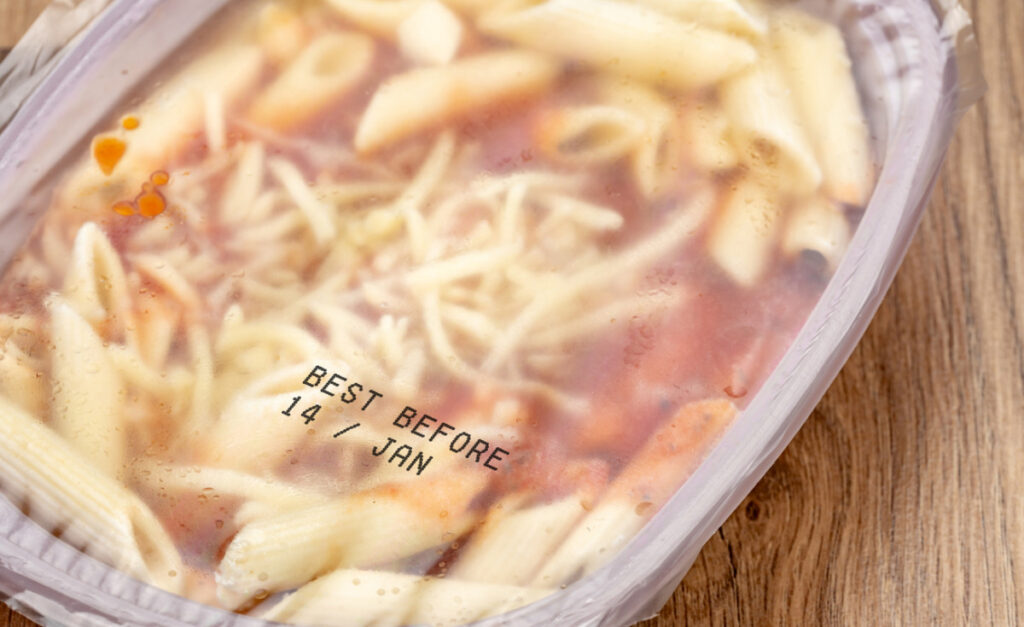
- “Best before”: Indicates the peak quality of the product. Food may still be safe to eat after this date, but its quality and taste may have decreased.
The Consequences of Food Waste
Food waste is a significant problem worldwide, with an estimated 88 million tons of food being discarded in Europe each year. In Italy alone, 1.661.107 tons of food were wasted at home in 2020.
Food waste has severe environmental and health implications:
- Greenhouse gas emissions: Food waste contributes to greenhouse gas emissions and climate change.
- Landfill space: Food waste takes up space in landfills, producing methane and other pollutants.
- Food insecurity: Food waste leads to food insecurity and malnutrition, particularly among vulnerable populations.
Reducing Food Waste: Tips and Tricks
To reduce food waste, follow these simple tips:
- Plan your meals: Before going shopping, plan out your meals for the week. This will help you avoid buying too much food that may go to waste.
- Shop from local farmers: Buying produce directly from farmers can help reduce transportation-related waste and support local economies.
- Store food properly: Make sure to store food in a cool, dry place, away from direct sunlight and heat sources.
- Use up leftovers: Plan meals that use up leftover ingredients to reduce food waste.
- Freeze food: Freeze food that’s approaching its expiration date to extend its shelf life.
What to Do with Expired Food
While it’s generally recommended to err on the side of caution when it comes to expired food, there are some exceptions:
- Canned goods: Canned foods can be safely consumed after their expiration date if they remain unopened and undamaged.
- Cooked leftovers: Cooked leftovers can be safely stored in the refrigerator for 3-4 days or frozen for up to 2 months.
- Dairy products: Dairy products like milk, yogurt, and cheese can usually be consumed after their expiration date if they remain unopened and undamaged.
Food Safety: Separating Fact from Fiction
Some common misconceptions about food safety include:
- Expiration dates don’t guarantee food safety: Expired food may still be safe to eat.
- Cooking food can kill bacteria: Cooking food can help reduce the risk of foodborne illness, but it’s not a foolproof method.
- Food packaging is regulated: Food packaging is regulated by government agencies to ensure it meets certain standards.
Conclusion
Food waste is a significant problem worldwide, with severe environmental and health implications. By understanding food expiration dates, reducing food waste, and making informed decisions about your grocery shopping, you can help make a positive impact on the planet.
So next time you’re tempted to toss that expired food, remember: every bite counts!
Frequently Asked Questions
- What is the difference between “use by” and “best before” dates?
- “Use by” indicates the last date on which the product is considered safe to eat.
- “Best before” indicates the peak quality of the product.
- How can I reduce food waste?
- Plan your meals, shop from local farmers, and store food properly.
- Can I still eat expired food?
- It’s generally recommended to err on the side of caution when it comes to expired food. However, there are some exceptions, such as canned goods and cooked leftovers.
By understanding food expiration dates, reducing food waste, and making informed decisions about your grocery shopping, you can help make a positive impact on the planet.


