
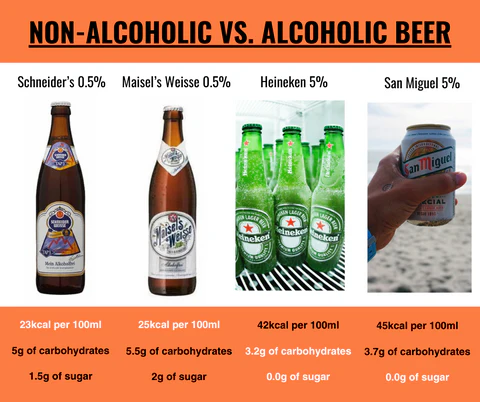
As the world becomes increasingly health-conscious, people are looking for alternatives to traditional beer that still offer the taste and enjoyment. One such alternative is low-alcohol beer, also known as “nondrinking” or “alcol-free” beer. But what exactly is low-alcohol beer, and how does it differ from regular beer?
What’s in Low-Alcohol Beer?
Low-alcohol beer typically contains less than 1.2% alcohol by volume (ABV), making it a popular choice for those who want to enjoy the taste of beer without the hangover. But is it really “low” enough? Some beers can contain as little as 0.05% ABV, while others may still have some residual alcohols.
How is Low-Alcohol Beer Produced?
There are two main methods used to produce low-alcohol beer:
- Cutting fermentation: This involves interrupting the fermentation process when the desired level of alcohol is reached, leaving behind sugars that weren’t converted into alcohol.
- Removal of alcohol: This method uses advanced technology to remove the alcohol from regular beer using evaporation or distillation.
Low-Alcohol Beer in the Market
Low-alcohol beer has gained popularity worldwide, particularly among health-conscious consumers and those looking for alternative beverages. In Italy, Moretti is one of the leading producers of low-alcohol beer, with a slogan that reads “tanto gusto, zero pensieri” (“so much flavor, no worries”). Other countries like Spain and the United States also have a significant market for low-alcohol beer.
Does Low-Alcohol Beer Cause Harm?
Since low-alcohol beer contains little to no alcohol, it’s unlikely to cause harm in moderation. However, some additives like solfits can still be detrimental if consumed excessively. A general rule of thumb is to limit consumption to one or two beers per day.
Low-Alcohol Beer in Italy and Beyond
In Italy, low-alcohol beer hasn’t gained widespread acceptance, as many consumers prefer the taste of regular beer with its characteristic hop flavor. However, countries like Spain and the UK have shown a greater interest in low-alcohol beverages.
A New Trend Emerges: Low-Alcohol Bars
In 2020, BrewDog, a Scottish brewery, opened a bar in London dedicated to serving only low-alcohol beers. This move reflects a growing trend towards health-conscious drinking and the increasing demand for alternative beverages.
Frequently Asked Questions (FAQs)
- What is the difference between low-alcohol beer and regular beer?
Low-alcohol beer contains less than 1.2% ABV, while regular beer can contain up to 5-6% ABV. - Is low-alcohol beer still a good choice for those who want to drink in moderation?
Yes, low-alcohol beer is a better option for those who want to enjoy the taste of beer without excessive alcohol consumption. - Can I get high on low-alcohol beer?
No, low-alcohol beer will not produce intoxicating effects due to its low ABV. - Are solfits safe in low-alcohol beer?
While solfits are generally considered non-harmful, excessive consumption can still cause issues. - Will I lose the flavor of regular beer with low-alcohol alternatives?
Not always; some low-alcohol beers have a similar flavor profile to regular beer.
Benefits of Low-Alcohol Beer
Low-alcohol beer has several benefits that make it an attractive option for health-conscious consumers:
- Reduced calorie intake: Lower ABV means fewer calories, which can be beneficial for those watching their weight.
- Less hangover risk: With lower levels of alcohol, the risk of hangovers decreases significantly.
- Improved hydration: Low-alcohol beer is often infused with electrolytes and other hydrating ingredients to help replenish fluids.
- Increased social acceptability: Low-alcohol beer has become a more socially acceptable choice for those who want to enjoy a drink without worrying about excessive drinking.
Challenges of Low-Alcohol Beer
Despite its benefits, low-alcohol beer also faces several challenges:
- Flavor profile: Some consumers find that low-alcohol beers lack the characteristic flavor and complexity of regular beers.
- Availability: While low-alcohol beer is becoming increasingly popular, it can still be difficult to find in certain areas or stores.
- Marketing: The marketing of low-alcohol beer often targets health-conscious consumers, which may limit its appeal to those who prioritize taste over health.
The Future of Low-Alcohol Beer
As the trend towards health-conscious drinking continues to grow, low-alcohol beer is likely to remain a popular choice for many consumers. However, there are several challenges that need to be addressed in order for this trend to continue:
- Increased availability: More breweries and retailers need to carry low-alcohol beers to cater to the growing demand.
- Improved flavor profiles: Breweries need to innovate and create more flavorful low-alcohol beers that appeal to a wider audience.
- Targeted marketing: Marketing efforts should focus on reaching new audiences, rather than just targeting existing health-conscious consumers.
Conclusion
Low-alcohol beer has come a long way since its introduction as an alternative to traditional beer. With its numerous benefits and increasing popularity, it’s clear that low-alcohol beer is here to stay. As the trend towards health-conscious drinking continues to grow, we can expect to see even more innovative brews and marketing strategies emerge in the world of low-alcohol beer.
Additional Resources
For those interested in learning more about low-alcohol beer, there are several additional resources available:
- The Low Alcohol Beer Guide: A comprehensive guide to low-alcohol beers from around the world.
- Beer Health: A website dedicated to promoting responsible drinking and providing health information on beer.
- Low-Alcohol Beer Apps: Several mobile apps now offer low-alcohol beer recommendations, reviews, and ratings.
By exploring these resources and understanding the benefits and challenges of low-alcohol beer, consumers can make informed choices about their drinking habits and enjoy a healthier alternative to traditional beer.


