
As we indulge in a steaming plate of mussels, it’s easy to forget how they ended up on our plates. But with the increasing awareness of what we eat and where it comes from, learning about miticoltura is becoming more important than ever. In this article, we’ll delve into the world of mussel farming, exploring their characteristics, growth habits, reproduction, and more.
What is Miticoltura?
Miticoltura is the practice of cultivating mussels, which have been a staple food source for centuries. With the rise of consumer awareness, there’s growing interest in sustainable seafood practices, making miticoltura an increasingly important topic.
Characteristics of Mussels
Before we dive into miticoltura, let’s take a closer look at mussels themselves. Belonging to the class Bivalvia, mussels are indeed edible and have been prized for their flavor and nutritional value since ancient times. Today, they’re farmed on a large scale due to high demand.
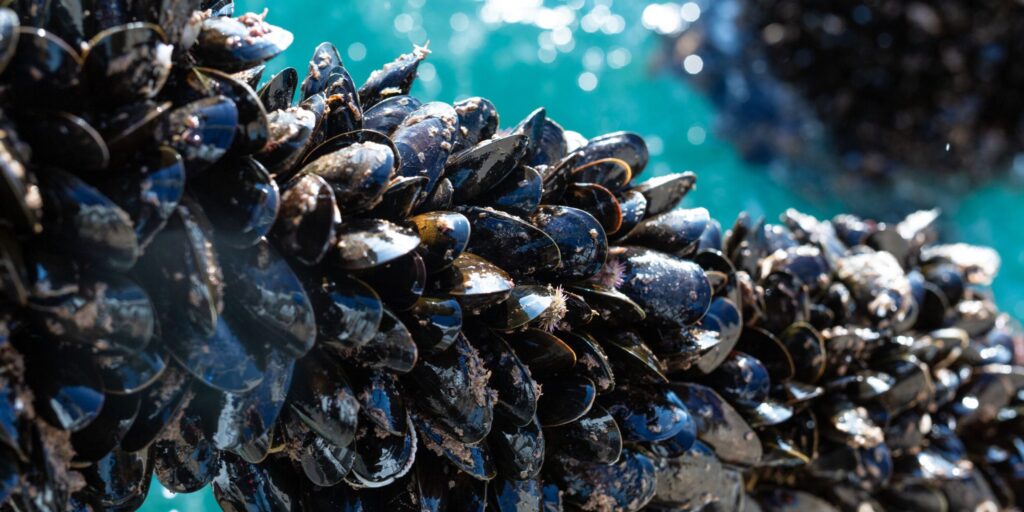
There are two main species of mussels found in Mediterranean waters: Galloprovincialis and Edulis. These marine mollusks present as dark-colored or blue-tinged shells with an asymmetrical shape, featuring one more pointed end than the other. The shell’s outer layer contains concentric rings that tell their growth story, while the inner shell has a lighter color, often resembling mother-of-pearl.
Mussels are unique in that they don’t have a true head or mouthparts like most animals. Their body structure consists of a sac-like cavity containing organs and tissues, with only a small opening for filtering food particles from the water.
Nutrition in Miticoltura
To cultivate mussels successfully, understanding their nutritional needs is crucial. Unlike other mollusks, mussels don’t have a muscular foot to eat or digest food directly; instead, they use their gills to filter tiny particles from the water. This process allows them to grow at a rapid rate.
Mussels also employ specialized appendages called setae (or filaments) to anchor themselves to surfaces and prevent dispersal in the ocean. The digestive system is more complex than initially thought, as these mollusks utilize a unique combination of enzymes and chemicals to break down organic matter.
Reproduction in Miticoltura
Mussels reproduce by producing eggs that hatch into larvae after fertilization. In approximately one year, these tiny creatures can grow up to 5 cm long, demonstrating their impressive rate of development.
Interestingly, mussels also employ a unique respiratory system similar to fish, utilizing branchiae (gills) to extract oxygen from the water. These gills are capable of filtering around 50 liters of water daily, making them efficient at extracting nutrients from the ocean’s resources.
Understanding Mitilicoltura
Now that we’ve explored mussel characteristics and growth habits, it’s time to delve into the world of miticoltura itself. This practice involves cultivating mussels in controlled environments using specialized systems designed to mimic their natural habitats.
These facilities can range from small-scale backyard operations to large commercial farms, often utilizing methods such as floating racks or submerged cages to house the mussel colonies.
Fases della Mitilicoltura
To break down the mitilicoltura process into manageable stages, we’ll examine each phase in detail:
- Uova: At this initial stage, mussels are harvested from their natural habitats and transferred to specialized nurseries for growth.
- Growth Phase (13-15 mesi): Mussel colonies are submerged in controlled environments where they can grow and develop without the risks associated with natural ocean conditions. Regular monitoring ensures that no unwanted algae or parasites form on the mussels, while also eliminating dead individuals from the population.
- Vendita: Once the mussels reach market size, they’re carefully harvested and transferred to specialized storage facilities for further processing.
Benefits of Miticoltura
Miticoltura offers numerous benefits for both people and the environment. Some key advantages include:
- Sustainable Food Source: Mussels are an excellent source of protein and other nutrients, making them a valuable addition to sustainable food systems.
- Environmental Protection: By cultivating mussels in controlled environments, we can minimize their impact on wild populations and ecosystems.
- Food Security: Miticoltura contributes to increased food security by providing a reliable supply of fresh seafood for consumers around the world.
Challenges Facing Mitilicoltura
Despite its benefits, miticoltura also faces several challenges that must be addressed to ensure long-term sustainability. Some key concerns include:
- Disease Prevention: Regular monitoring and management of mussel colonies are necessary to prevent disease outbreaks that can have devastating effects on wild populations.
- Water Quality Management: Maintaining optimal water quality is essential for mussel health, as poor conditions can lead to reduced growth rates and increased mortality.
- Policy Development: Governments must develop effective policies to regulate miticoltura practices and ensure they align with environmental values.
Conclusion
In conclusion, understanding miticoltura is essential for promoting sustainable seafood practices and ensuring that our food supply aligns with environmental values. By exploring mussel characteristics, growth habits, reproduction, and more, we can gain a deeper appreciation for these remarkable creatures and the industry dedicated to their care.
FAQs:
- What is mitilicoltura?
Mitilicoltura refers to the practice of cultivating mussels in controlled environments. - Why are mussels important for our ecosystem?
Mussels play a crucial role in maintaining ocean health by filtering nutrients and providing habitat for other marine species. - How do mussels reproduce?
Mussel reproduction involves producing eggs that hatch into larvae, which then grow into adult mussels. - What is the average lifespan of a mussel?
The average lifespan of a mussel varies depending on factors such as water quality and predation, but they typically live for several years in the wild. - How do mussels contribute to our food supply?
Mussels are an important source of protein and other nutrients, particularly in coastal communities where they’re commonly consumed raw or cooked. - What is the environmental impact of mussel farming?
Mussel farming can have both positive and negative impacts on the environment, depending on how it’s managed and regulated to minimize harm to wild populations and ecosystems.
By expanding our understanding of miticoltura and its role in sustainable seafood practices, we can foster a more environmentally conscious food culture that benefits both people and the planet.


