
The Link Between Bad Breath and Stress: Understanding the Connection
As we focus on what we eat, it’s easy to overlook another common issue that can still affect us – bad breath. “But how?” we might wonder… yes, it can happen, even if we haven’t eaten anything particularly suspect. It’s time to explore why stress is often at the root of bad breath.
The Connection Between Stress and Bad Breath
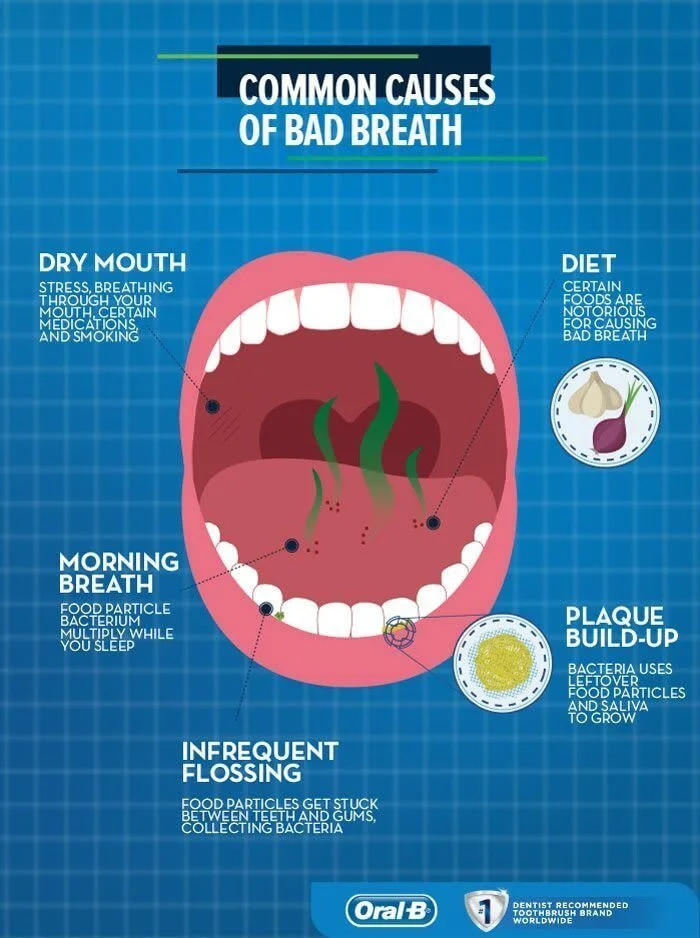
Have you ever felt like your mouth smells bad without eating anything out of the ordinary? You might feel powerless, but the secret lies in managing stress with natural techniques like deep breathing, mindfulness, and meditation. Anxiety can cause your mouth to dry up, reducing saliva production and allowing bacteria to multiply, leading to bad breath.
This phenomenon affects approximately 50% of people, and women are more prone to it due to their emotional nature and life stages such as pregnancy, menopause, and menstruation, which can impact the types of bacteria in our mouths. These factors can either increase or decrease the likelihood of having bad breath.
Stress and Bad Breath: The Science Behind It
When we’re stressed, our body’s “fight or flight” response is triggered, releasing hormones like adrenaline and cortisol into our system. These hormones can affect various bodily functions, including digestion and saliva production. As a result, our mouth can become dry and acidic, creating an ideal environment for bacteria to thrive.
Additionally, stress can cause us to become more anxious and self-conscious about our appearance, leading to habits that can exacerbate bad breath. For example, we may grind our teeth or clench our jaw, which can damage our dental work and lead to poor oral hygiene practices.
The Connection Between Stress and Bad Breath: What to Do
While good oral hygiene is essential, it’s not enough to simply brush and floss regularly. It’s crucial to introduce healthy habits into your daily routine. Here are some tips:
- Maintain a balanced diet, avoiding foods that can cause bad breath, such as those high in proteins and low in carbohydrates.
- Engage in relaxing activities, like hobbies, sports, or spending time outdoors, which can help reduce stress and anxiety.
- Reduce talking, as it can dry out your mouth and lead to bad breath. If you must talk frequently, try sipping water or drinking tea.
- Eat a balanced diet that includes fruits, vegetables, legumes, and yogurt to keep your mouth healthy and fresh.
Mindfulness and Meditation
Mindfulness and meditation are natural stress-reducing techniques that can also help alleviate bad breath. By focusing on the present moment and calming our minds, we can reduce anxiety and promote saliva production, which helps to wash away bacteria and neutralize acids in our mouths.
To incorporate mindfulness and meditation into your daily routine, try these tips:
- Start with short exercises, like 5-10 minutes of deep breathing or guided meditation.
- Practice mindfulness while eating, paying attention to the sensations in your mouth and the flavors on your tongue.
- Use guided meditation apps or videos to help you get started.
The Role of Hormones
Hormonal fluctuations can also impact our breath. For example, during premenstrual syndrome (PMS), many women experience changes in their oral health, including dry mouth and bad breath. Similarly, pregnancy hormones can cause an increase in saliva production, leading to a reduced risk of bad breath.
To manage hormonal fluctuations and alleviate bad breath, consider these tips:
- Eat foods that support hormonal balance, such as omega-3 rich fish, dark leafy greens, and probiotics.
- Engage in stress-reducing activities, like yoga or meditation, to help regulate your hormones.
- Consider hormone replacement therapy (HRT) if you’re experiencing persistent bad breath due to hormonal imbalances.
The Connection Between Stress and Bad Breath: Conclusion
Bad breath is a common issue that can affect anyone, regardless of their diet or oral hygiene practices. By understanding the connection between stress and bad breath, we can take steps to manage our stress levels and maintain good oral hygiene practices. Whether it’s practicing mindfulness, reducing talking, or eating a balanced diet, there are many ways to alleviate bad breath and promote overall well-being.
Testing Your Breath
While it may be difficult to get an objective assessment of your breath from others, there are some simple tests you can do:
- Use a floss pick to test for any remaining food particles in your teeth or between them.
- Take a spoonful of water and let it sit in your mouth for a few seconds before swallowing. If you notice any unpleasant odors, it may be worth consulting with a dentist.
By understanding the connection between stress and bad breath, we can take steps to manage our stress levels and maintain good oral hygiene practices. With a little knowledge and effort, we can say goodbye to bad breath and hello to fresh, healthy teeth and gums.


