
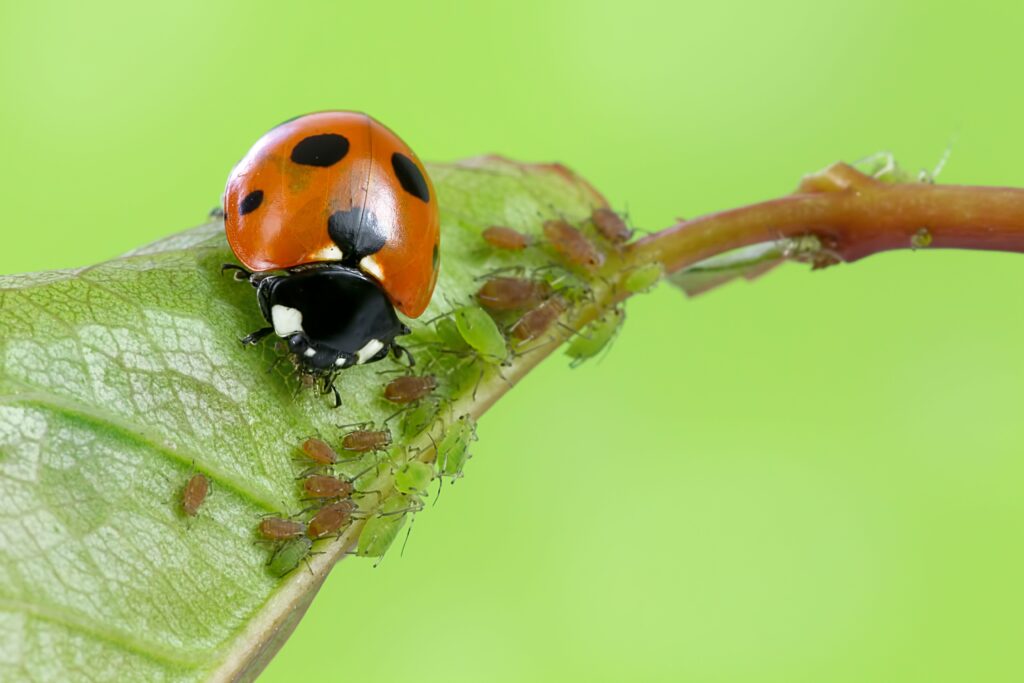
Ladybugs, also known as lady beetles or ladybird beetles, are one of the most popular insects in the world. With over 6,000 species, they can be found on every continent except Antarctica. But what do these tiny creatures eat? In this article, we’ll delve into the fascinating world of ladybugs and explore their diet, habits, and importance in agriculture.
Understanding the World of Ladybugs
Ladybugs have been a source of fascination for humans for centuries. These small insects are often found on plants and flowers, where they feed on aphids, pollen, and nectar. But how do ladybugs survive in such a competitive world? In this article, we’ll explore the life cycle of ladybugs, their diet, habits, and importance in agriculture.
The Dangers of Pesticides
Before we dive into the culinary habits of ladybugs, it’s essential to understand why pesticides are a threat to these beneficial insects. Ladybugs are extremely sensitive to chemical pesticides, which can harm or even kill them. This is why it’s crucial to adopt organic gardening practices and avoid using pesticides whenever possible.
The Anatomy of a Ladybug
To understand what ladybugs eat, let’s first examine their anatomy. A typical ladybug has an oval-shaped body with seven spots on its elytra (wing covers). The number of spots can vary depending on the species, but they are usually black and white in color. This unique appearance is not only aesthetically pleasing but also helps ladybugs to blend in with their surroundings.
Coccinella: The Italian Ladybug
In Italy, there are several species of ladybugs that are commonly found in gardens and fields. One of the most popular species is Coccinella septempunctata, also known as the seven-spotted ladybug. This insect is considered a good luck charm in many cultures and is often associated with prosperity.
Other Species of Ladybugs
While Coccinella septempunctata is one of the most well-known species, there are other types of ladybugs that can be found in Italy and around the world. For example, Harmonia axyridis, also known as the Asian ladybug, has been introduced to many regions and is considered an invasive species.
What Do Ladybugs Eat?
Now that we’ve covered some basic facts about ladybugs, let’s get to the good stuff – their diet! Ladybugs are generalist predators, which means they feed on a wide variety of insects and other small animals. Their primary source of food is aphids, which are small, soft-bodied insects that can be found on plants.
The Entomophagous Diet
Entomophagy refers to the practice of eating insects, including ladybugs. While it may seem unusual, entomophagy has been practiced for centuries in many cultures around the world. Ladybugs, as part of the entomophagous diet, are consumed by various animals, including birds, spiders, and other insects.
The Benefits of Eating Ladybugs
While eating ladybugs may not be a common practice, they do offer some benefits for human consumption. Ladybug larvae can be used as a food source in some cultures, while adult ladybugs have been found to have medicinal properties. In some Asian countries, ladybugs are considered a delicacy and are eaten fried or boiled.
Cannibalism: A Rare Occurrence
Despite their generalist diet, ladybugs are known to engage in cannibalism from time to time. This behavior is more common among certain species of ladybugs, such as the Coccinella septempunctata. Cannibalism helps ladybugs to control their populations and prevent overcrowding.
The Role of Ladybugs in Agriculture
Ladybugs play a crucial role in agriculture by controlling aphid populations and protecting crops from damage. In fact, ladybugs are often introduced into agricultural fields to help manage pest populations. By using ladybugs as a natural form of pest control, farmers can reduce their reliance on chemical pesticides.
The Benefits of Introducing Ladybugs
Introducing ladybugs into your garden or agricultural field can have numerous benefits for the environment and human health. Some of these benefits include:
- Reduced pesticide use: Ladybugs are an effective natural form of pest control, reducing the need for chemical pesticides.
- Increased biodiversity: By introducing ladybugs into your garden or agricultural field, you’re increasing biodiversity and supporting a healthy ecosystem.
- Improved crop yields: Ladybugs can help protect crops from damage by controlling aphid populations.
Challenges in Introducing Ladybugs
While introducing ladybugs into your garden or agricultural field has numerous benefits, there are also challenges to consider. Some of these challenges include:
- Habitat destruction: The introduction of ladybugs requires a suitable habitat, which may be destroyed if the environment is not protected.
- Climate change: Changes in climate can affect the availability of food sources for ladybugs and other beneficial insects.
Conclusion
In conclusion, ladybugs are fascinating creatures that deserve our appreciation and respect. By understanding their diet, habits, and importance in agriculture, we can work towards creating a more harmonious relationship between humans and these beneficial insects.
Frequently Asked Questions (FAQs)
- What do ladybugs eat?
Ladybugs are generalist predators that feed on a wide variety of insects and other small animals, primarily aphids. - Are ladybugs good luck charms?
Yes, in many cultures, ladybugs are considered good luck charms and are often associated with prosperity. - Can I keep ladybugs as pets?
While it is possible to keep ladybugs as pets, it’s essential to research their care requirements and ensure that you can provide a suitable environment for them. - What are the benefits of eating ladybugs?
Ladybug larvae can be used as a food source in some cultures, while adult ladybugs have been found to have medicinal properties. - Can ladybugs eat other insects?
Yes, ladybugs engage in cannibalism from time to time, particularly among certain species. - How do I attract ladybugs to my garden?
To attract ladybugs, plant a diverse range of flowers and herbs that provide nectar and pollen, such as marigolds and sunflowers. - What is the difference between Coccinella septempunctata and Harmonia axyridis?
Coccinella septempunctata is a native species to Italy, while Harmonia axyridis is an invasive species that has been introduced to many regions.
Additional Resources
For those interested in learning more about ladybugs and their importance in agriculture, there are several additional resources available:
- The International Ladybug Survey
- The United States Department of Agriculture (USDA) Ladybug Program
- The National Pest Management Association (NPMA)
By exploring these resources, you can learn more about the fascinating world of ladybugs and how they contribute to our ecosystem.


