
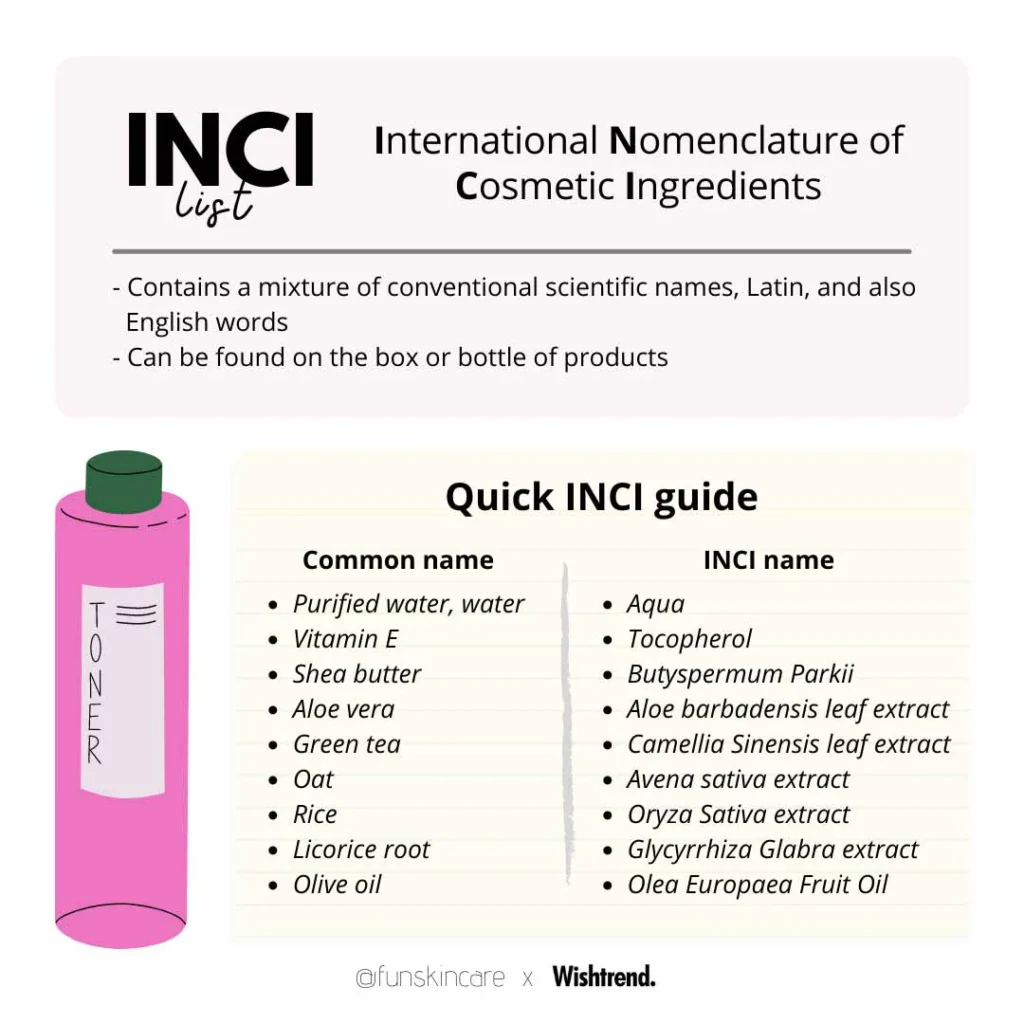
As we navigate the world of cosmetics, it’s easy to get caught up in the buzzwords and marketing hype. But before you make a purchase, it’s essential to understand what’s really going into those products. That’s where the INCI comes in – the International Nomenclature of Cosmetic Ingredients is the key to deciphering the ingredients on your favorite beauty products.
What Do You Need to Know About Cosmetics?
When choosing a cosmetic product, you need to know more than just the brand name and price tag. You need to understand what’s inside the bottle or tube, and that starts with the INCI list. This is where we’ll explore what it means to read the ingredients on your cosmetics and why it matters.
The Importance of Natural Ingredients
Cosmetics are all around us – from skincare products to haircare tools, makeup, and even household cleaners. But have you ever stopped to think about what’s really in those products? The truth is, many conventional cosmetics contain harsh chemicals that can do more harm than good. That’s why it’s essential to choose products with natural ingredients and avoid those with synthetic chemicals.
What to Look for on the Label
When shopping for cosmetics, make sure you’re checking the label carefully. Here are some key things to look out for:
- Origin: Where was the product made? Some countries have stricter regulations than others when it comes to cosmetic safety.
- Shelf life: How long does the product have before it expires?
- Preservatives: Are there any preservatives listed, and are they safe?
- Cautionary statements: Is there a warning about potential skin irritation or other adverse reactions?
Why Reading INCI Matters
The INCI list is more than just a label – it’s a guide to the ingredients used in your cosmetic product. By reading the INCI list, you can:
- Avoid products with harsh chemicals that can cause skin irritation
- Choose products that are gentle and suitable for your skin type
- Support companies that prioritize sustainability and natural ingredients
The Science Behind Cosmetic Ingredients
But what exactly is an INCI? The International Nomenclature of Cosmetic Ingredients is a standardized system used to identify and categorize cosmetic ingredients. It’s like a dictionary, but instead of words, it uses chemical names and classifications.
Here are some examples of how the INCI system works:
- Botanical names: When it comes to plant-based ingredients, the INCI list uses botanical names in Latin.
- Chemical names: For synthetic chemicals, the INCI list uses chemical names that are recognized globally.
- Classification codes: Some ingredients have classification codes that indicate their type or function.
Decoding the INCI List
So, how do you decode the INCI list? Here are some tips:
- Start by reading the label carefully and identifying the ingredient list
- Look for keywords like “natural” or “organic” to narrow down your search
- Use online resources to learn more about specific ingredients and their safety profiles
Frequently Asked Questions
Here are some frequently asked questions about cosmetics and the INCI system:
Q: What is the INCI list, and why do I need to read it?
A: The INCI list is a standardized system used to identify and categorize cosmetic ingredients. By reading the INCI list, you can choose products that are safe and effective for your skin type.
Q: How do I decode the INCI list?
A: Start by reading the label carefully and identifying the ingredient list. Look for keywords like “natural” or “organic” to narrow down your search. Use online resources to learn more about specific ingredients and their safety profiles.
Q: Are all natural ingredients safe?
A: While many natural ingredients are safe, some can still cause skin irritation or allergic reactions. Always patch test new products and follow up with a dermatologist if you have concerns.
Q: Can I make my own cosmetics at home?
A: Yes, but be sure to follow proper safety protocols and use ingredients that are recognized as safe by regulatory agencies.
Q: How do I choose between natural and synthetic ingredients?
A: Consider your skin type and concerns. If you’re looking for a gentle, non-irritating product, natural ingredients may be the way to go. If you’re looking for a product with specific benefits (e.g., acne treatment), synthetic ingredients may be more effective.
Q: Can I trust online reviews or ratings when it comes to cosmetic products?
A: While online reviews and ratings can be helpful, they shouldn’t be your sole guide. Always read the INCI list and follow up with a dermatologist if you have concerns about product safety.
Q: How do I store cosmetics to preserve their quality and safety?
A: Store cosmetics in a cool, dry place away from direct sunlight. Avoid mixing different products or using expired items.
Q: Can I return or exchange a cosmetic product if it doesn’t work out?
A: It depends on the retailer’s policies. Check the return and exchange policies before making a purchase.
Q: How do I report a cosmetic product safety concern to regulatory agencies?
A: Contact your local regulatory agency (e.g., FDA, Health Canada) with concerns about a specific product or ingredient. They can investigate and take action if necessary.
Conclusion
Understanding cosmetics is all about being informed and making choices that align with your values. By reading the INCI list, you can choose products that are safe and effective for your skin type, support companies that prioritize sustainability and natural ingredients, and take control of what goes into your beauty routine.
Here are some additional tips to keep in mind:
- When shopping for cosmetics, make sure you’re checking the label carefully.
- Consider your skin type and concerns when choosing between natural and synthetic ingredients.
- Always read the INCI list and follow up with a dermatologist if you have concerns about product safety.
- Store cosmetics in a cool, dry place away from direct sunlight to preserve their quality and safety.
By being informed and taking control of what goes into your beauty routine, you can make choices that align with your values and prioritize your skin health.


