
What is Vitamin E?
Vitamin E is an essential nutrient that plays a vital role in maintaining overall health and well-being. Often referred to as the “Vitamin of Youth,” it has been shown to have numerous benefits for the body, from protecting against cell damage to supporting immune function.
Vitamin E is a fat-soluble vitamin, which means it can be stored in fatty tissues and organs. It plays a crucial role in maintaining healthy skin, hair, and eyes, as well as supporting immune function and reducing inflammation. Vitamin E also has antioxidant properties, which help protect cells from damage caused by free radicals.
The Importance of a Balanced Diet
A well-balanced diet is crucial for maintaining optimal health. What we eat affects not only our physical health but also our mental and emotional well-being. Eating a variety of whole foods can provide us with the necessary nutrients and vitamins to support overall health.
A healthy diet should include a variety of fruits, vegetables, whole grains, lean proteins, and healthy fats. Foods that are high in fiber, vitamins, and minerals can help support immune function, eye health, and skin health. A balanced diet can also help reduce the risk of chronic diseases such as heart disease, diabetes, and certain types of cancer.
Benefits of Vitamin E
Vitamin E has numerous benefits for the body, including:
- Antioxidant properties: Vitamin E helps protect cells from damage caused by free radicals, which can lead to oxidative stress and aging.
- Immune system support: Vitamin E plays a crucial role in supporting immune function, helping to protect against infections and diseases.
- Eye health: Vitamin E is essential for maintaining healthy vision and preventing age-related macular degeneration.
- Skin health: Vitamin E helps protect the skin from damage caused by UV radiation, reducing the risk of premature aging.
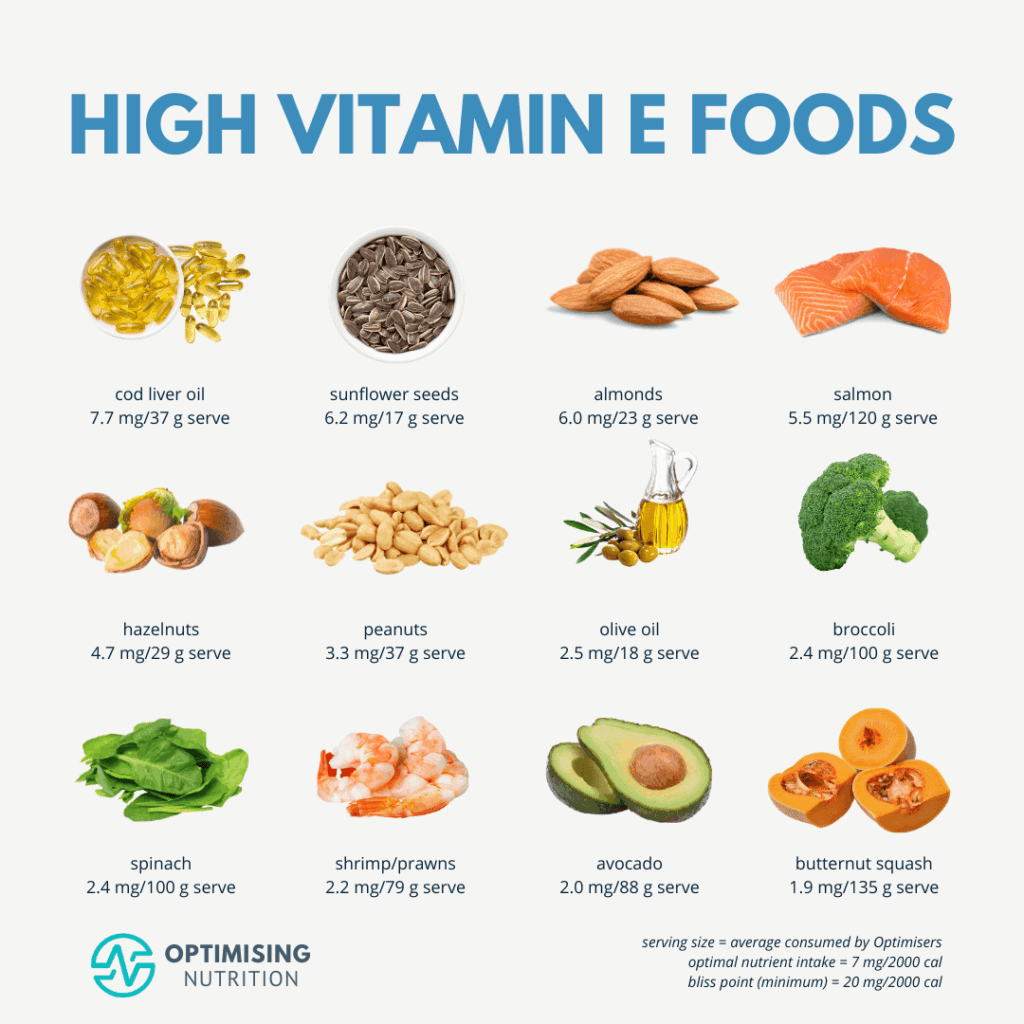
Food Sources of Vitamin E
Vitamin E can be found in a variety of food sources, including:
- Nuts and seeds: Almonds, sunflower seeds, pumpkin seeds, and other nuts and seeds are rich in vitamin E.
- Vegetables: Spinach, broccoli, and other leafy green vegetables are good sources of vitamin E.
- Fruits: Avocados, kiwis, and papaya are also good sources of vitamin E.
The Impact of Vitamin E Deficiency
A deficiency in vitamin E can have serious consequences for the body. Symptoms may include:
- Fatigue and weakness
- Poor immune function
- Eye problems
- Skin issues
In severe cases, a vitamin E deficiency can lead to more serious health problems, such as bleeding disorders and other organ damage.
Toxicity: The Risks of Excessive Vitamin E Consumption
While vitamin E is essential, excessive consumption can be toxic. High doses of vitamin E have been linked to bleeding disorders and other health problems. It’s essential to follow recommended daily intake guidelines and not exceed the maximum safe dose.
The maximum safe dose of vitamin E varies based on age and sex. Generally, the following amounts are suggested:
- Neonates (0-12 months): 4.5-6 UI
- Children (1-10 years): 10 UI
- Adults (11+ years): 15 UI for men and 12 UI for women
Recommended Daily Intake of Vitamin E
The recommended daily intake of vitamin E varies based on age and sex. Generally, the following amounts are suggested:
- Neonates (0-12 months): 4.5-6 UI
- Children (1-10 years): 10 UI
- Adults (11+ years): 15 UI for men and 12 UI for women
Conclusion
Vitamin E is an essential nutrient that plays a vital role in maintaining overall health and well-being. By including foods rich in vitamin E, such as nuts, seeds, vegetables, and fruits, in our diet, we can support immune function, eye health, and skin health. It’s also important to note the risks of excessive consumption and to follow recommended daily intake guidelines.
Frequently Asked Questions
- What are some food sources of vitamin E?
- Nuts and seeds (almonds, sunflower seeds, pumpkin seeds)
- Vegetables (spinach, broccoli, leafy greens)
- Fruits (avocados, kiwis, papaya)
- What are the symptoms of a vitamin E deficiency?
- Fatigue and weakness
- Poor immune function
- Eye problems
- Skin issues
- Can excessive consumption of vitamin E be toxic?
- Yes, high doses can lead to bleeding disorders and other health problems.
- What is the recommended daily intake of vitamin E?
- Varies based on age and sex:
- Neonates (0-12 months): 4.5-6 UI
- Children (1-10 years): 10 UI
- Adults (11+ years): 15 UI for men and 12 UI for women
- Varies based on age and sex:


