
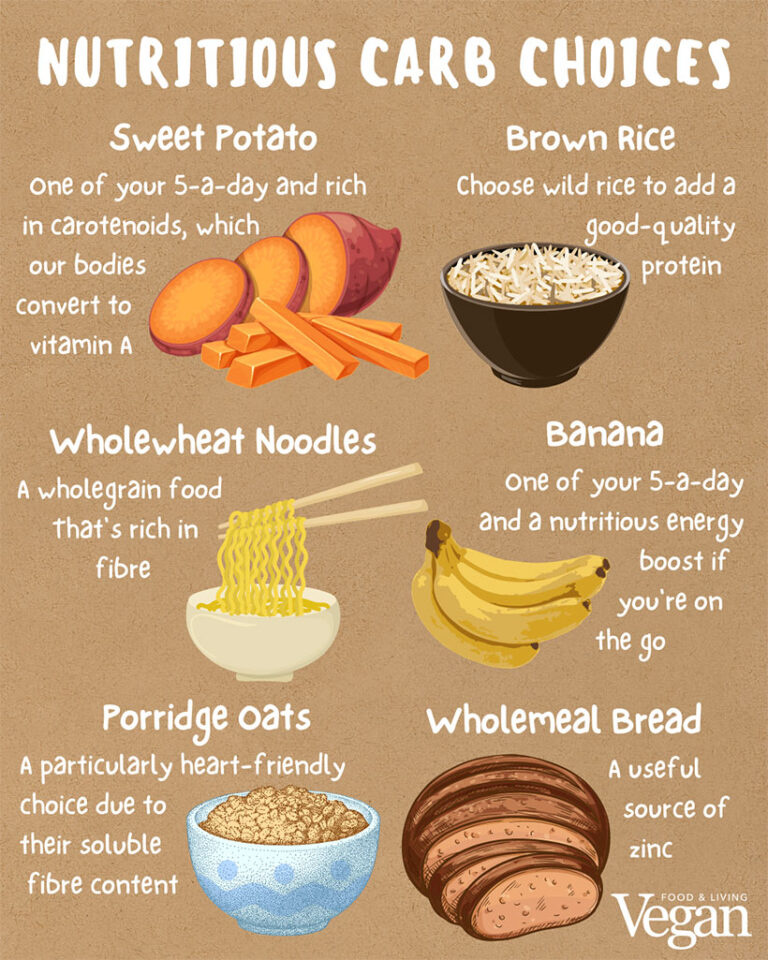
Are you fed up with trying to figure out which carbohydrates are good for your body? Do you feel like you’re stuck in a rut, constantly weighing the pros and cons of each type of carb? You’re not alone. The world of carbs can be overwhelming, but it doesn’t have to be.
The truth is, all carbohydrates provide energy for our bodies, and eliminating them from our diets can lead to serious consequences, including fatigue, mood swings, and weight gain. So, how do we navigate the complex world of carbs without getting lost? Let’s dive in and explore the different types of carbohydrates, their benefits, and which ones are worth incorporating into your diet.
Why Are Carbohydrates Important?
Carbohydrates are our body’s primary source of energy. They’re found in every type of food, from fruits and vegetables to grains and legumes. Without carbs, we wouldn’t have the energy to perform daily tasks, let alone engage in physical activity or enjoy life’s simple pleasures.
Eliminating carbohydrates entirely can lead to a range of negative consequences, including:
- Fatigue and lethargy
- Mood swings and irritability
- Weight gain and loss (yes, you read that right)
- Decreased athletic performance
Carbohydrate Types: The Good, the Bad, and the Ugly
When it comes to carbohydrates, there are several types that can be classified into three main categories: simple, complex, and polysaccharides. Let’s break them down:
Simple Carbohydrates
Simple carbs are easily digestible and quickly absorbed by the body. They’re often found in natural sources like fruits, vegetables, and dairy products.
- Examples:
- Fruits (e.g., apples, bananas)
- Vegetables (e.g., broccoli, carrots)
- Dairy products (e.g., milk, yogurt)
However, simple carbs can also be found in processed foods, which can be detrimental to our health if consumed excessively.
Complex Carbohydrates
Complex carbs are digested more slowly and provide sustained energy. They’re often associated with whole grains, legumes, and starchy vegetables.
- Examples:
- Whole grains (e.g., brown rice, quinoa)
- Legumes (e.g., beans, lentils)
- Starchy vegetables (e.g., sweet potatoes, corn)
Polysaccharides
Polysaccharides are long chains of glucose molecules that provide sustained energy. They’re often found in whole grains and starchy vegetables.
- Examples:
- Whole grains (e.g., oats, barley)
- Starchy vegetables (e.g., potatoes, corn)
Choosing the Best Carbohydrates for a Healthy Diet
So, which carbohydrates are worth incorporating into your diet? Here are some top picks:
- Fruits: Fresh fruits like apples, bananas, and berries are rich in fiber, vitamins, and minerals.
- Vegetables: Leafy greens like spinach, broccoli, and carrots provide essential vitamins, minerals, and antioxidants.
- Legumes: Beans, lentils, and chickpeas are high in protein, fiber, and complex carbohydrates.
- Whole grains: Brown rice, quinoa, whole wheat bread, and whole grain pasta offer sustained energy and essential nutrients.
- Patates (dolci): Sweet potatoes are rich in vitamin A, fiber, and minerals.
Tips for a Balanced Carb Intake
While incorporating these top picks into your diet is a great start, here are some additional tips to keep in mind:
- Limit processed foods and added sugars
- Choose whole grains over refined grains
- Include a variety of colorful vegetables in your diet
- Experiment with different types of legumes and starchy vegetables
- Make sure to drink plenty of water to stay hydrated
The Benefits of Complex Carbohydrates
Complex carbohydrates are often misunderstood, but they play a crucial role in providing sustained energy and supporting overall health. Here are some benefits of complex carbohydrates:
- Sustain energy levels: Complex carbs take longer to digest, releasing glucose slowly into the bloodstream, which provides sustained energy.
- Support healthy blood sugar levels: Complex carbs slow down the digestion process, preventing spikes in blood sugar levels.
- Promote satiety: Complex carbs tend to be more filling, reducing cravings for unhealthy snacks and supporting weight management.
The Importance of Fiber
Fiber is a type of carbohydrate that’s often overlooked, but it plays a crucial role in promoting digestive health and supporting overall well-being. Here are some benefits of fiber:
- Promote regular bowel movements: Fiber helps move food through the digestive system, preventing constipation and diverticulitis.
- Support healthy blood sugar levels: Fiber slows down the digestion process, reducing spikes in blood sugar levels.
- Lower cholesterol levels: Soluble fiber can help lower LDL (bad) cholesterol levels.
Common Carbohydrate-Related Myths
There are many myths surrounding carbohydrates that can lead to confusion and misinformation. Here are some common myths debunked:
- Myth: All carbs are created equal.
- Reality: Not all carbs are created equal. Simple carbs, like added sugars, can be detrimental to health, while complex carbs provide sustained energy and support overall well-being.
- Myth: Low-carb diets are the best way to lose weight.
- Reality: While low-carb diets may lead to short-term weight loss, they’re often unsustainable and can have negative consequences on overall health.
- Myth: Carbs are only for athletes.
- Reality: Carbohydrates provide energy for everyone, not just athletes.
Conclusion
The world of carbohydrates can be overwhelming, but by understanding the different types and their benefits, you can make informed choices about what to include in your diet. Remember to focus on whole grains, fruits, vegetables, legumes, and starchy vegetables for sustained energy and essential nutrients.
By following these tips and incorporating these top picks into your diet, you’ll be well on your way to a balanced carb intake that supports overall health and well-being.
Frequently Asked Questions
- Q: Are all carbohydrates bad for me?
A: No, not all carbohydrates are created equal. While eliminating carbs entirely is not recommended, choosing whole grains, fruits, vegetables, legumes, and starchy vegetables can provide sustained energy and essential nutrients. - Q: Can I lose weight by eliminating carbs?
A: Yes, losing weight is possible when you eliminate processed foods and added sugars from your diet. However, make sure to focus on whole grains, fruits, vegetables, legumes, and starchy vegetables for sustained energy and essential nutrients. - Q: Are simple carbohydrates good or bad?
A: Simple carbohydrates can be both good and bad depending on the source. Fresh fruits, vegetables, and dairy products are rich in fiber, vitamins, and minerals, while processed foods and added sugars can lead to weight gain, fatigue, and other health issues. - Q: Can I still eat carbs if I’m trying to lose weight?
A: Yes, you can still eat carbs if you’re trying to lose weight. Focus on whole grains, fruits, vegetables, legumes, and starchy vegetables for sustained energy and essential nutrients. Limit processed foods and added sugars. - Q: Are there any carb-free diets that are safe?
A: While eliminating all carbohydrates is not recommended, some diets like the ketogenic diet or low-carb diets can be safe when done under medical supervision. However, make sure to consult with a healthcare professional before starting any new diet.
By understanding the different types of carbohydrates and their benefits, you can make informed choices about what to include in your diet. Remember to focus on whole grains, fruits, vegetables, legumes, and starchy vegetables for sustained energy and essential nutrients.


