
As we hear the term “abrasive substances,” our minds immediately jump to some liquid that can harm us. However, this is not always the case. Abrasives come in various forms and are used in different industries and applications. In this article, we will delve into the world of abrasives, exploring their characteristics, uses, and types.
The Characteristics of Abrasives
Abrasives are materials that are particularly hard and durable. They can be natural or artificial and have been used for centuries. The ancient Greeks were known to use abrasive substances in their metalworking processes. Today, we will discuss the key characteristics of abrasives, including their hardness, crystalline nature, and low fragility.
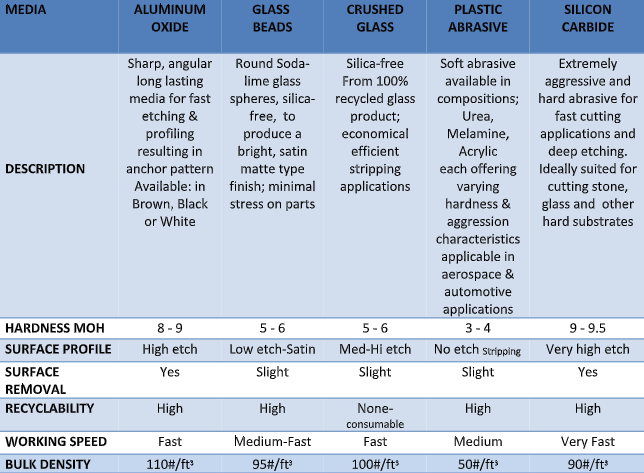
The Mohs scale is the oldest and simplest method for measuring the hardness of abrasives. It involves testing 10 mineral species with increasing hardness levels. The Knoop scale is more precise and measures the hardness in kg/mm^2 using durometers that apply pressure with a diamond tip.
The chemical nature of abrasives is also crucial, as it affects their behavior when interacting with other substances. Additionally, we need to consider the concept of tenacity, which refers to the mechanical resistance of an abrasive material during grinding operations.
Applications of Abrasives
Abrasives are essential in various industries and applications, including metalworking, manufacturing, and household use. For instance, abrasives can be used for affilating and cutting metals, creating abrasive soaps or pastes, and even treating alloys and semiconductors.
Let’s explore the different types of abrasives, starting with natural ones:
Natural Abrasives
- Quartz: a crystal material used in flexible abrasives or as a powder in cleaning products.
- Silica: a common component of sand, used in industrial applications like metalworking and glass manufacturing.
- Pomice: a volcanic glass used in abrasive powders for household cleaning.
- Diamond: one of the hardest substances known, used in industrial cutting tools, jewelry, and electronics.
We will also examine artificial abrasives, which have become increasingly popular due to their stability and affordability:
Artificial Abrasives
- Synthetic diamond: a man-made version of natural diamond, offering improved durability and lower costs.
- Carbide (boron carbide): synthesized through chemical reactions in an electric furnace, used for grinding tools and rocket propulsion.
These materials can be found in various forms, such as powders or pellets, and are often combined with other substances to create specialized abrasives. The properties of abrasives make them essential in a wide range of industries and applications.
History of Abrasives
Abrasives have been used for thousands of years, dating back to ancient civilizations. The earliest recorded use of abrasive materials was by the ancient Greeks, who used silica-rich sand to sharpen metal tools. Over time, other natural abrasives such as emery (a mineral composed of iron and chromium oxides) and corundum (a mineral composed of aluminum oxide) were discovered.
In the 19th century, synthetic abrasives began to emerge. In 1893, a German chemist named Auguste Verneuil developed a method for synthesizing synthetic diamonds. This breakthrough led to the creation of more durable and affordable abrasive materials.
Today, abrasives are used in various industries, including metalworking, manufacturing, construction, and household cleaning. The development of new technologies has also led to the creation of specialized abrasives, such as ceramic and polymer-based abrasives.
Industrial Applications
Abrasives play a vital role in various industrial processes, including:
- Metalworking: Abrasives are used to sharpen and polish metal tools, creating high-quality finishes for machinery parts.
- Manufacturing: Abrasives are used to clean and deburr surfaces, ensuring smooth production lines and minimizing waste.
- Construction: Abrasives are used in grinding and polishing concrete, asphalt, and other construction materials.
Domestic Applications
Abrasives are also essential in household cleaning products. Abrasive powders or pastes can be used for various tasks, including:
- Cleaning surfaces: Abrasive powders can be used to clean surfaces such as countertops, sinks, and toilets.
- Removing stains: Abrasive powders can be used to remove stubborn stains from carpets and upholstery.
- Polishing jewelry: Abrasive pastes can be used to polish and shine jewelry.
Conclusion
Abrasive substances play a vital role in various fields, from metalworking and manufacturing to household cleaning products. Understanding their characteristics, uses, and types is crucial for selecting the right abrasive for your needs. By exploring natural and artificial abrasives, you can unlock their full potential and make informed decisions about your industrial or domestic applications.
FAQs
- What is the Mohs scale?
The Mohs scale is a method used to measure the hardness of substances based on their ability to resist scratching by other minerals. - Why are natural abrasives important?
Natural abrasives, such as quartz and silica, have been used for centuries in various applications due to their durability and versatility. - How do synthetic diamond and carbide differ from natural materials?
Synthetic diamond and carbide offer improved durability and lower costs compared to natural substances, making them popular choices for industrial and commercial use. - Can abrasive powders be used on sensitive surfaces?
Abrasive powders can damage certain surfaces; therefore, it’s essential to choose the right powder for your specific needs and always follow safety guidelines. - How do durometers measure hardness?
Durometers apply pressure with a diamond tip to determine the hardness of substances using the Knoop scale or Mohs scale methods. - What is tenacity, and why is it important?
Tenacity refers to the mechanical resistance of an abrasive material during grinding operations; understanding its importance helps you choose the right abrasive for your specific needs. - Can abrasive materials be used in food processing?
Abrasive materials can contaminate food products or cause damage to equipment, making it crucial to handle them with care and follow proper safety guidelines. - How do I select the right abrasive powder for my application?
Consider factors such as surface type, desired level of abrasion, and potential risks when selecting an appropriate abrasive powder for your specific needs.
By understanding the properties and uses of abrasives, you can make informed decisions about your industrial or domestic applications. Whether you’re working with natural or artificial abrasives, it’s essential to choose the right material for your specific needs.


