
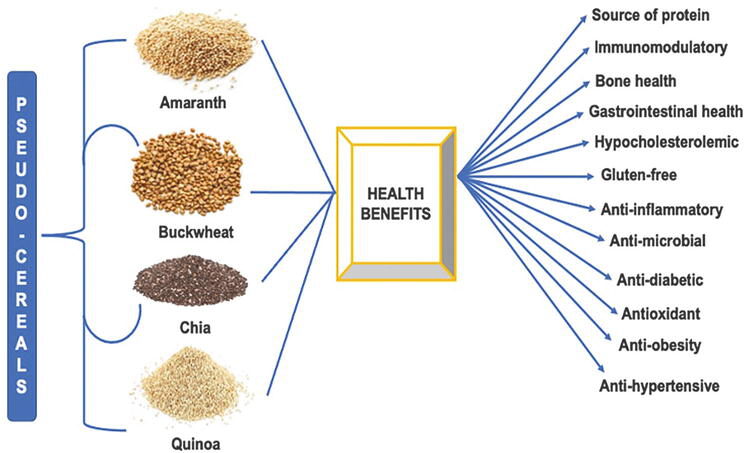
As we navigate the world of food, it’s easy to overlook one group of nutrient-dense foods that are often overlooked in favor of their gluten-containing counterparts. We’re talking about pseudocereals, a class of ancient grains that have been gaining popularity in recent years due to their numerous health benefits and versatility in cooking.
What are Pseudocereals?
Before we dive into the world of pseudocereals, let’s take a look at what they are and how they differ from traditional cereals. Cereals are derived from grasses such as wheat, barley, and rice, while pseudocereals are made from monocots like quinoa, amaranth, and teff. These grains contain the three main components of all grains: carbohydrates, proteins, and fats. Pseudocereals also have a higher mineral content compared to traditional cereals.
What are the Most Common Pseudocereals?
Quinoa and Kamut (also known as Khorasan wheat) are undoubtedly the most popular pseudocereals. Quinoa is native to South America and belongs to the Chenopodiaceae family, while Kamut comes from the Poaceae family and originated in Egypt.
- Quinoa: This protein-rich grain contains all nine essential amino acids, making it a complete protein source. It’s also high in fiber, iron, and magnesium.
- Kamut: Native to ancient Egypt, this grain has been prized for its nutty flavor and chewy texture. It contains more nutrients than traditional wheat, including more fiber, protein, and minerals.
The Benefits of Pseudocereals
Pseudocereals have several benefits that make them a great addition to your diet:
- Gluten-free: Many pseudocereals are naturally gluten-free, making them an excellent option for those with celiac disease or gluten intolerance.
- Higher mineral content: Pseudocereals tend to have higher mineral levels compared to traditional cereals, including iron, magnesium, and zinc.
- More protein: Quinoa and Kamut contain a higher amount of protein than traditional cereals.
Alternative Pseudocereals
While quinoa and Kamut are the most popular pseudocereals, there are several others worth mentioning:
- Amaranth: This ancient grain is native to Central America and contains all nine essential amino acids.
- Chia seeds: These tiny seeds are rich in omega-3 fatty acids, fiber, and protein.
Using Pseudocereals in Cooking
Pseudocereals can be used in a variety of dishes, from breakfast porridge to baked goods:
- Quinoa salad: Combine cooked quinoa with chopped vegetables, nuts, and seeds for a healthy and filling salad.
- Kamut bread: Use Kamut flour to make a delicious and nutritious bread.
Culinary Delights
Pseudocereals can be used in both savory and sweet dishes. Here are some ideas:
- Quinoa stir-fry: Stir-cook quinoa with vegetables, nuts, and seeds for a quick and easy meal.
- Kamut pancakes: Use Kamut flour to make delicious and fluffy pancakes.
- Amaranth granola: Mix amaranth with nuts, seeds, and dried fruits to create a tasty and healthy snack.
Nutrition Facts
Here are some key nutrition facts for pseudocereals:
- Quinoa: Quinoa is high in protein (8g per cup) and fiber (5g per cup).
- Kamut: Kamut contains more nutrients than traditional wheat, including more fiber, protein, and minerals.
- Amaranth: Amaranth is a complete protein source, containing all nine essential amino acids.
Conclusion
Pseudocereals are a nutrient-rich group of grains that offer numerous health benefits and culinary possibilities. By incorporating pseudocereals into your diet, you can boost your mineral intake, increase protein levels, and enjoy a gluten-free meal option. Experiment with different recipes and ingredients to unlock the full potential of these ancient grains.
Frequently Asked Questions
- What are the most common pseudocereals?
- Quinoa and Kamut (also known as Khorasan wheat) are undoubtedly the most popular pseudocereals.
- Are pseudocereals gluten-free?
- Yes, many pseudocereals are naturally gluten-free.
- How do I use pseudocereals in cooking?
- Pseudocereals can be used in a variety of dishes, from breakfast porridge to baked goods. Experiment with different recipes and ingredients to unlock the full potential of these ancient grains.
Q: What are the health benefits of consuming pseudocereals?
A: Pseudocereals are high in fiber, protein, and minerals, making them an excellent addition to a balanced diet.
Q: Can I eat all pseudocereals without issues?
A: Some pseudocereals may cause digestive issues in individuals with gluten intolerance or sensitivity. It’s best to consult with a healthcare professional before introducing new foods into your diet.
Q: How do I incorporate pseudocereals into my daily meal plan?
A: Start by experimenting with different recipes and ingredients, such as quinoa salads, Kamut bread, and chia seed smoothies.


