
As we go about our daily lives, it’s easy to take for granted the energy sources that power our homes, industries, and transportation systems. But have you ever stopped to think about what exactly are fossil fuels? Are they really as bad as we’re led to believe? In this article, we’ll delve into the world of fossil fuels, exploring their history, types, uses, and impact on the environment.
What are Fossil Fuels?
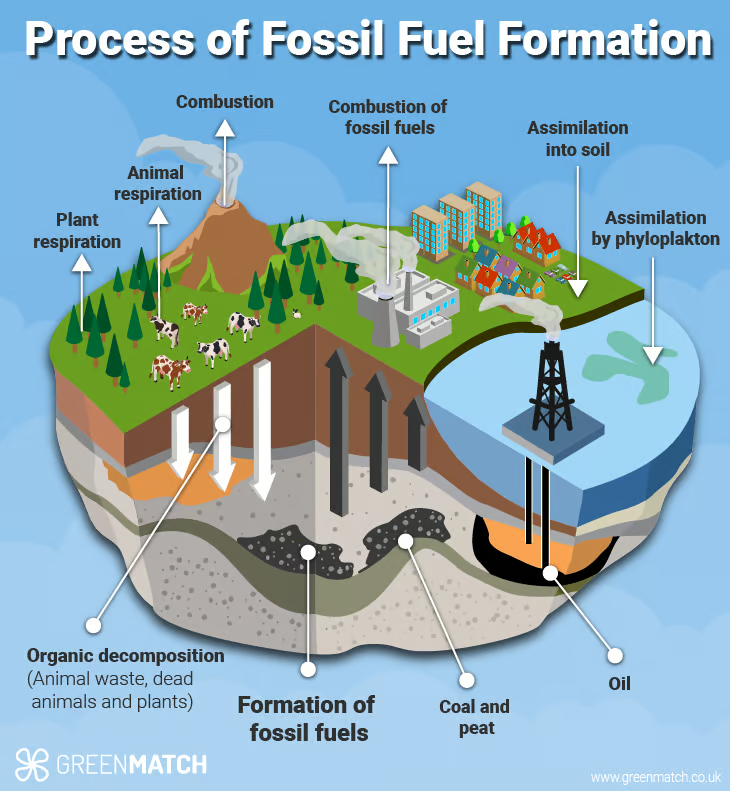
Fossil fuels are energy sources that have been formed over millions of years through the decomposition of organic matter in the absence of oxygen. These substances contain high levels of carbon, which is released when they’re burned, providing energy for our vehicles, homes, and industries. The most common types of fossil fuels are petroleum, natural gas, coal, and others.
Types of Fossil Fuels
While many people think of fossil fuels as just being oil, there’s a whole range of substances that fall under this category. Let’s break it down:
- Petroleum: The result of the decomposition of ancient marine life, such as plankton and zooplankton. Petroleum is further divided into three main categories:
- Light Crude Oil: Used for gasoline production.
- Medium Crude Oil: Used for diesel fuel production.
- Heavy Crude Oil: Used for lubricants and other industrial applications.
- Natural Gas: Composed of methane, which is formed from the remains of plants and animals buried deep beneath the earth’s surface. Natural gas is primarily used for electricity generation, heating homes, and powering vehicles.
- Coal: A fossil fuel that forms from plant material, primarily wood and other organic matter. Coal has been used as a primary source of energy for centuries.
How Are Fossil Fuels Used?
Fossil fuels have been used for centuries, with different applications emerging over time. Here are a few examples:
- Carbohydrates: Ancient civilizations used fossil fuels to power their industries, including agriculture, transportation, and manufacturing.
- Electricity Generation: The Industrial Revolution saw the widespread adoption of coal-fired power plants, which paved the way for modern electricity generation. Today, natural gas is also a major source of electricity in many countries.
- Transportation: Fossil fuels have been powering vehicles since the early 20th century, with gasoline and diesel fuel becoming widely used. In recent years, there’s been a growing trend towards electric vehicles.
The Impact on Climate Change
When fossil fuels are burned, they release greenhouse gases like carbon dioxide (CO2), methane, and other pollutants into the atmosphere. These gases contribute to global warming and climate change, which have severe consequences for our planet. The good news is that there are alternatives to fossil fuels, such as renewable energy sources.
Renewable Energy Sources
As technology advances, we’re seeing a shift towards cleaner, more sustainable energy options:
- Solar Power: Harnessing the energy from the sun using photovoltaic panels.
- Wind Power: Using wind turbines to generate electricity.
- Hydroelectric Power: Tapping into the power of moving water.
The Future of Energy
As we move forward, it’s clear that fossil fuels won’t be the only source of energy. We need to make a conscious effort to transition towards cleaner, more sustainable options. Here are some key steps:
- Invest in Renewable Energy: Governments and corporations can invest in renewable energy projects.
- Improve Efficiency: Developing more efficient technologies can reduce our reliance on fossil fuels.
- Promote Sustainable Practices: Encourage individuals to adopt environmentally friendly habits.
Benefits of Fossil Fuels
While fossil fuels have significant drawbacks, they also provide several benefits:
- Energy Density: Fossil fuels contain a high amount of energy per unit of mass, making them an efficient source of power.
- Infrastructure: The global infrastructure for fossil fuel production and distribution is well-established, making it easy to access these resources.
- Cost-Effective: Fossil fuels are often cheaper than renewable energy sources.
Challenges Facing the Energy Industry
Despite the benefits of fossil fuels, there are several challenges facing the energy industry:
- Climate Change: The burning of fossil fuels contributes significantly to global warming and climate change, making it a major concern for governments and corporations.
- Environmental Impact: Fossil fuel extraction and combustion can have devastating environmental impacts, including air pollution, water contamination, and habitat destruction.
- Energy Security: Relying on foreign oil imports can compromise national energy security.
FAQs
Q: What are the main types of fossil fuels?
A: The main types of fossil fuels are petroleum, natural gas, and coal.
Q: How do fossil fuels impact climate change?
A: Burning fossil fuels releases greenhouse gases like CO2, methane, and other pollutants into the atmosphere, contributing to global warming and climate change.
Q: What are some alternatives to fossil fuels?
A: Renewable energy sources like solar power, wind power, hydroelectric power, and biomass can provide cleaner, more sustainable energy options.
Q: How can we transition away from fossil fuels?
A: Investing in renewable energy projects, improving efficiency, promoting sustainable practices, and encouraging individuals to adopt environmentally friendly habits are key steps towards a more sustainable future.


