
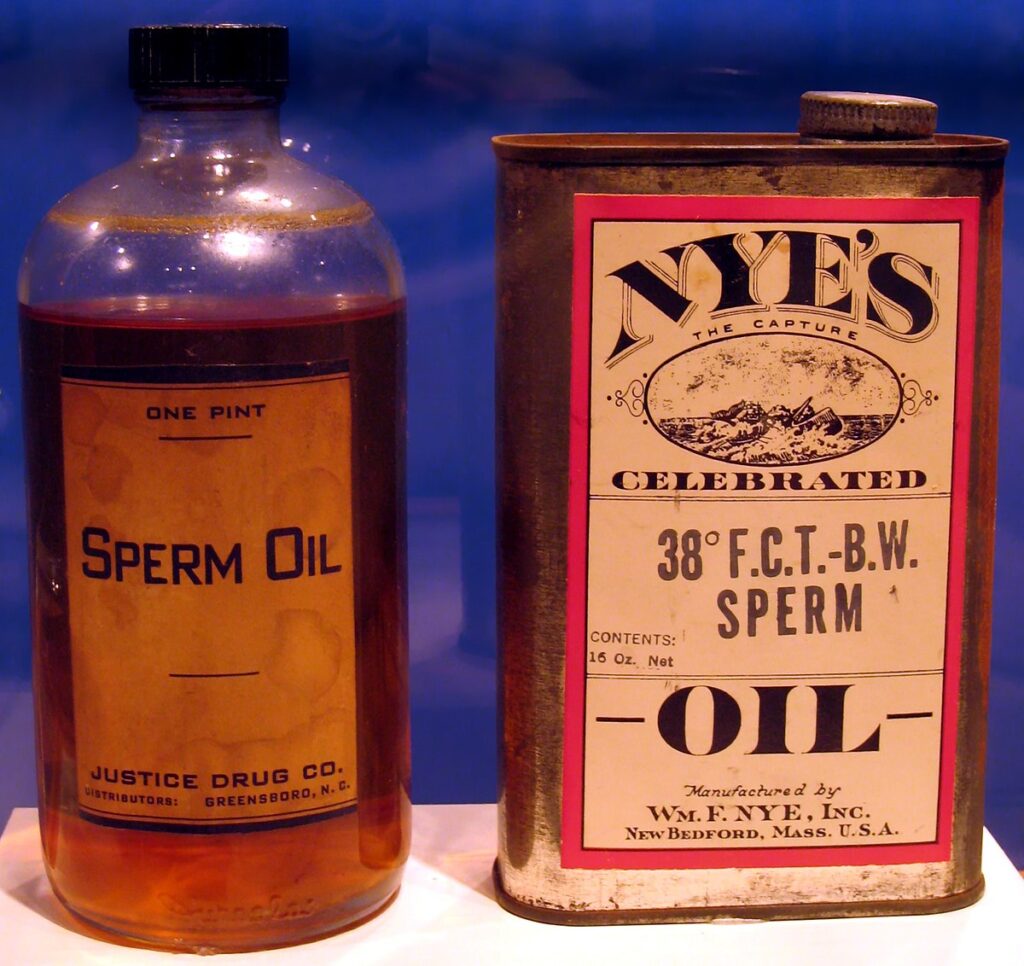
Whale oil may not be the first thing that comes to mind when thinking about culinary delights or household products. In fact, it’s often associated with old-fashioned lamps and obscure applications. However, this versatile oil has a long history of use in various industries, from food production to cosmetics.
The Origins of Whale Oil
Whale oil is obtained from the blubber of various cetacean species, including sperm whales, gray whales, and humpback whales. The oil is extracted through a process that involves boiling down the blubber to produce a crude product. While it may not be suitable for cooking or culinary purposes, whale oil has been used in other ways throughout history.
The History of Whale Oil Production
Whale oil production dates back to ancient times, with evidence of its use found in various cultures around the world. In Norse mythology, whales were believed to have magical powers and were often depicted as giant sea monsters. The Vikings are also known to have used whale oil for lighting, which was a crucial aspect of their maritime lifestyle.
In Europe during the Middle Ages, whale oil was used extensively for lighting purposes, particularly in homes and public buildings. However, as the Industrial Revolution took hold, other fuels like coal and kerosene began to gain popularity, leading to a decline in the use of whale oil.
Non-Culinary Uses of Whale Oil
So, what can you do with whale oil? For one, it’s not a good idea to use it as a cooking oil or to fry foods like fries or calamari. However, there are some alternative uses for this unique substance. In the past, whale oil was used as a lamp fuel, providing a cheap and efficient source of light. Although it had a strong odor when burned, it eventually gave way to kerosene, which is more pleasant to burn.
In addition to lighting, whale oil has been used in other industries. For instance, it’s been employed as a component in automatic transmission fluids for cars. This may seem surprising, but the oil is believed to be better suited for this purpose than other alternatives. The high viscosity and lubricating properties of whale oil make it an ideal choice for these applications.
Whale oil has also been used in cosmetics and personal care products, particularly in the early 20th century. It was sometimes used as an ingredient in soap-making and skin care products, although it never gained widespread popularity due to its pungent smell. In fact, many beauty experts today consider whale oil to be a thing of the past, preferring more natural and gentler alternatives.
The Impact of Whaling on Whale Oil Production
Unfortunately, the use of whale oil is closely tied to the whaling industry. Many species of whales are hunted for their oil, which can be devastating to populations and ecosystems. The International Union for Conservation of Nature (IUCN) has classified several whale species as endangered, including the minke whale and the fin whale.
The hunting of whales for their oil is a contentious issue, with many countries and organizations advocating for stricter regulations and conservation efforts. In Iceland, for example, the government has faced criticism for allowing commercial whaling to continue in certain areas.
Sustainable Alternatives to Whale Oil
As concerns about the sustainability of the whaling industry grow, there is a growing need for alternative solutions. Some companies are exploring the use of synthetic alternatives to whale oil, which can provide similar properties without the harm caused by hunting whales.
Other industries, such as the automotive sector, are also turning to more sustainable sources of lubrication. For example, some car manufacturers are using plant-based oils that are biodegradable and non-toxic.
The Cultural Significance of Whale Oil
Whale oil may not be as widely recognized today as it once was, but it still appears in popular culture. For instance, Herman Melville’s novel “Moby-Dick” features a character who uses whale oil as a lamp fuel. Similarly, the video game “Dishonored” uses whale oil as a key ingredient in its industrial revolution-themed setting.
In addition to these cultural references, whale oil has also been associated with other famous stories and characters. For example, some people draw parallels between the use of whale oil and Pinocchio’s nose growing when he tells lies.
The Price of Whale Oil
One challenge in determining the price of whale oil is that there are various types and sources, each with its own characteristics and costs. The main sources of whale oil come from gray whales, humpback whales, and sperm whales, which have different compositions and properties.
Gray whales, for instance, produce oil that is primarily composed of triglycerides, while humpback whales produce oil that is more cerosous in nature. Sperm whales, on the other hand, are known to be a key source of high-quality oil.
Conclusion
Whale oil may not be as well-known today as it once was, but its history and uses are fascinating nonetheless. From its origins as a lamp fuel to its use in cosmetics and food production, this versatile substance has played a significant role in various industries throughout history.
As we continue to explore the world of whale oil, we must also consider the impact of whaling on whale populations and ecosystems. By advocating for conservation efforts and sustainable practices, we can work towards a future where whale oil is used responsibly and with minimal harm to these incredible creatures.
FAQs
- What is whale oil used for today?
Whale oil is primarily used as a component in automatic transmission fluids for cars. However, due to concerns about the sustainability of the industry, its use has largely been phased out. - Is whale oil safe for human consumption?
No, it’s not recommended to use whale oil as a cooking oil or to fry foods like fries or calamari. In fact, it can be hazardous to your health if ingested in large quantities. - Why was whale oil used in cosmetics and personal care products?
Whale oil was sometimes used as an ingredient in soap-making and skin care products due to its supposed moisturizing properties. However, its pungent smell made it less desirable for use in these applications. - How is whale oil obtained from whales?
Whale oil is extracted through a process that involves boiling down the blubber of cetacean species to produce a crude product. - What are the main sources of whale oil?
The main sources of whale oil come from gray whales, humpback whales, and sperm whales, each with its own unique composition and properties. - Is it true that whale oil was used in old-fashioned lamps?
Yes, whale oil was sometimes used as a lamp fuel due to its cheapness and efficiency. However, it eventually gave way to kerosene due to its unpleasant odor when burned. - Can I buy whale oil today?
While whale oil may not be widely available for purchase, it can still be found in some specialty stores or online retailers. However, its use is heavily regulated, and many countries have banned commercial whaling. - How has the whaling industry impacted whale populations?
The hunting of whales for their oil has been devastating to many species, with some being classified as endangered by the IUCN. Conservation efforts are underway to protect these incredible creatures and their habitats.


