
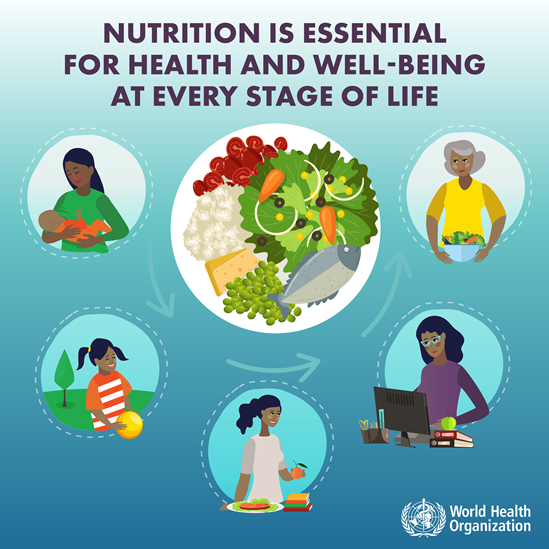
In recent years, there has been a significant increase in attention paid to nutrition and healthy eating. This growing awareness is being driven by an increasing number of publications available online or on social media. As a result, more and more people are seeking advice on how to make healthy food choices.
However, not everyone is equally knowledgeable when it comes to nutrition. Many articles on the subject focus primarily on specific foods or nutrients without providing a comprehensive understanding of the importance of a balanced diet. In this article, we will explore the key benefits of a healthy diet and provide practical tips on how to incorporate more nutritious food into your daily meals.
Understanding the Importance of Nutrition
Nutrition plays a vital role in maintaining overall health and well-being. A well-balanced diet provides the body with the necessary nutrients, vitamins, and minerals required for proper functioning. A healthy diet can help prevent chronic diseases, improve cognitive function, and support weight management.
The Key Principles of Healthy Eating
A healthy diet is built around several key principles. The first and most important is variety. Eating a wide range of foods ensures that you are getting all the essential nutrients your body needs. This can include fruits, vegetables, whole grains, lean proteins, and healthy fats.
Another crucial aspect of healthy eating is moderation. While it’s essential to consume a variety of foods, it’s equally important to avoid overeating or consuming excessive amounts of certain nutrients. For example, while nuts are a nutritious snack, they are high in calories, so it’s essential to enjoy them in moderation.
Foods that Provide Key Nutrients
Certain foods are particularly beneficial for providing key nutrients. These include:
- Leafy Greens: Rich in vitamins A, C, and K, as well as minerals like calcium and iron.
- Berries: High in antioxidants, which can help protect against chronic diseases like heart disease and cancer.
- Fatty Fish: Rich in omega-3 fatty acids, which are essential for brain function and heart health.
- Legumes: High in protein, fiber, and various vitamins and minerals.
- Nuts and Seeds: Rich in healthy fats, protein, and fiber.
The Benefits of a Balanced Diet
Eating a balanced diet has numerous benefits for overall health. Some of the most significant advantages include:
- Weight management
- Improved energy levels
- Enhanced cognitive function
- Better digestion
- Reduced risk of chronic diseases
In addition to these physical benefits, a healthy diet can also have a positive impact on mental health and well-being. Eating a balanced diet can help reduce stress and anxiety, improve mood, and even support weight loss.
The Importance of Exercise
Exercise is an essential component of a healthy lifestyle. Regular physical activity can help:
- Improve mood and reduce stress
- Boost energy levels
- Support weight loss
- Enhance overall health and well-being
Tips for Incorporating Healthy Eating into Your Lifestyle
Incorporating healthy eating into your daily routine doesn’t have to be difficult. Here are some practical tips to get you started:
- Plan ahead: Take time to plan out your meals for the week.
- Shop smart: Focus on whole, unprocessed foods like fruits, vegetables, whole grains, lean proteins, and healthy fats.
- Cook at home: Cooking at home allows you to control the ingredients and portion sizes of your meals.
- Eat mindfully: Pay attention to your hunger and fullness cues, savor your food, and enjoy the experience.
Practical Tips for Healthy Eating
Here are some additional tips to help you incorporate healthy eating into your lifestyle:
- Start by making small changes to your diet. Try replacing one unhealthy snack with a healthier option each day.
- Experiment with new recipes and ingredients to keep your meals interesting and varied.
- Consider meal prepping or cooking in bulk to save time and money.
- Make sure to stay hydrated by drinking plenty of water throughout the day.
By following these tips and incorporating a balanced diet into your lifestyle, you can reap the numerous benefits of healthy eating and improve your overall health and well-being.
Frequently Asked Questions
Q: What are some of the most nutritious foods I should include in my diet?
A: Some of the most nutritious foods to include in your diet are leafy greens, berries, fatty fish, legumes, nuts and seeds, and whole grains.
Q: How can I ensure that I’m getting enough protein in my diet?
A: There are many high-protein foods available, including lean meats like chicken and turkey, fish like salmon and tuna, eggs, beans and lentils, and dairy products.
Q: Can I still eat healthy if I have dietary restrictions or preferences?
A: Absolutely. There are many healthy options available for those with dietary restrictions or preferences, such as vegetarianism, veganism, gluten-free, and low-carb diets.
Q: How can I stay motivated to maintain a healthy diet?
A: Staying motivated is key. Find healthy recipes online, join a cooking class, or workout with friends.
Q: What are some common mistakes people make when it comes to healthy eating?
A: Some common mistakes include overreliance on processed foods, not planning meals ahead of time, and not drinking enough water.
Q: How can I get support for my healthy eating goals?
A: Reach out to a healthcare professional, join a support group, or talk to friends and family members who share your goals.
Conclusion
Incorporating a balanced diet into your lifestyle is one of the most effective ways to improve your overall health and well-being. By following these tips and incorporating healthy eating into your daily routine, you can reap the numerous benefits of a healthy diet and live a happier, healthier life.
Additional Resources
- National Institute of Diabetes and Digestive and Kidney Diseases: https://www.niddk.nih.gov/health-information/weight-management
- Academy of Nutrition and Dietetics: https://www.andjrnl.org/
- American Heart Association: https://www.heart.org/en/healthy-living/healthy-eating/eat-smart/nutrition-basics


