
Introduction
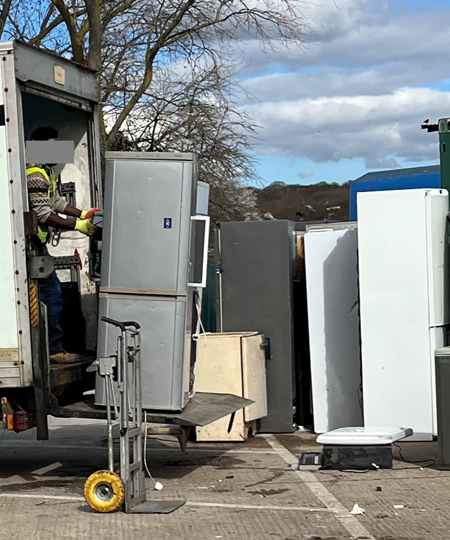
The recycling crisis is a growing concern, and it’s not just limited to paper and plastic. The collection of Electronic Waste (E-Waste) has also seen a decline in recent years. But what’s behind this trend, and are we to blame for the environmental impact of our actions? In this article, we’ll delve into the world of E-Waste recycling, explore the reasons behind the crisis, and discuss potential solutions.
The Decline of E-Waste Recycling
In 2012, the collection of E-Waste in Italy decreased by 8.5% compared to the previous year. This is a significant drop, especially considering that this marks the first time since the introduction of the multi-consortium system for managing E-Waste that the decline has occurred.
Is it All Our Fault?
So, what’s behind this decline? According to EcoLight, one of the companies involved in the management of E-Waste, it’s not just the economic crisis. While reduced consumer spending on electronic devices is certainly a contributing factor, there are other reasons at play.
Scavenging and Theft: The Dark Side of E-Waste Recycling
One of the major issues is the practice of scavenging, also known as “scrap metal” or “salvage”. This involves individuals or companies extracting valuable materials from discarded electronic waste without proper authorization. Not only does this reduce the amount of E-Waste collected, but it also leads to environmental pollution and health risks.
The “Circuit Parallelist” Phenomenon
Another factor contributing to the decline is the emergence of parallel recycling systems that operate outside the official E-Waste management framework. These systems often lack oversight and may not follow established guidelines, leading to inconsistencies in the quality and safety of collected materials.
A Glimmer of Hope: EcoLight’s Success Story
Despite these challenges, there are success stories like EcoLight, which has managed to collect 17,600 tons of domestic electronic waste in 2012, a 4.1% increase from the previous year. This achievement highlights the importance of effective E-Waste management and the potential for companies to make a positive impact.
EcoLight’s Impact: Quantifying the Benefits
EcoLight’s efforts have led to significant benefits, including the recovery of over 9 out of every 10 tons of collected waste, which would otherwise have ended up in landfills. This has resulted in energy savings of approximately 190,000 megawatt-hours (MWh) and a reduction in CO2 emissions of over 116,000 tons.
What’s Next? Restoring Order and Promoting Sustainable Practices
To prevent further decline and address the root causes of the crisis, we need to restore order to the E-Waste management system. This involves:
- Regulating parallel recycling systems: Establishing clear guidelines and oversight mechanisms to ensure that all actors operating in this space adhere to established standards.
- Promoting sustainable practices: Encouraging consumers, businesses, and governments to adopt environmentally responsible waste management habits.
- Investing in green economy: Supporting initiatives that foster the growth of a circular economy, where waste is seen as a valuable resource rather than an environmental burden.
The Global Perspective
The E-Waste crisis is not limited to Italy or Europe; it’s a global issue that requires international cooperation and collective action. Countries like China, India, and Nigeria are facing significant challenges in managing their growing electronic waste streams.
Addressing the E-Waste Crisis: A Call to Action
To tackle the E-Waste crisis effectively, we need to work together to:
- Improve international cooperation: Enhancing global collaboration to develop common standards and guidelines for E-Waste management.
- Increase awareness: Educating consumers, businesses, and governments about the importance of sustainable waste management practices.
- Invest in research and development: Supporting innovative technologies and solutions that can help reduce e-waste and promote a circular economy.
Conclusion
The recycling crisis is complex, multifaceted issue that requires a comprehensive solution. By understanding the causes of the decline and promoting sustainable practices, we can work towards a future where E-Waste management is both environmentally responsible and economically viable.
Frequently Asked Questions (FAQs)
-
What is E-Waste?
- E-Waste refers to discarded electronic devices, including computers, smartphones, televisions, and other appliances.
-
Why has E-Waste recycling declined in Italy?
-
The decline can be attributed to a combination of factors, including the economic crisis, reduced consumer spending on electronic devices, scavenging, and parallel recycling systems operating outside official guidelines.
-
What role does EcoLight play in addressing the E-Waste crisis?
-
EcoLight has successfully collected over 17,600 tons of domestic electronic waste in 2012, demonstrating the potential for effective E-Waste management and recovery of valuable materials.
-
How can individuals contribute to reducing E-Waste?
-
Individuals can reduce their environmental impact by choosing energy-efficient devices, buying refurbished electronics, recycling correctly, and supporting companies that adopt sustainable practices.
-
What is the significance of the new EU directive on waste management?
-
The directive aims to increase recycling rates, improve waste management practices, and promote a circular economy across Europe.
-
Can businesses help address the E-Waste crisis?
-
Yes, businesses can contribute by implementing sustainable waste management practices, investing in green technologies, and promoting environmentally responsible consumption habits among their customers.
-
How can governments support the growth of a circular economy?
-
Governments can create policies and incentives that encourage companies to adopt circular economy practices, invest in research and development of new technologies, and promote public awareness campaigns about waste management best practices.
By understanding the complexities of E-Waste management and working together to address the challenges facing this sector, we can build a more sustainable future for our planet.


