
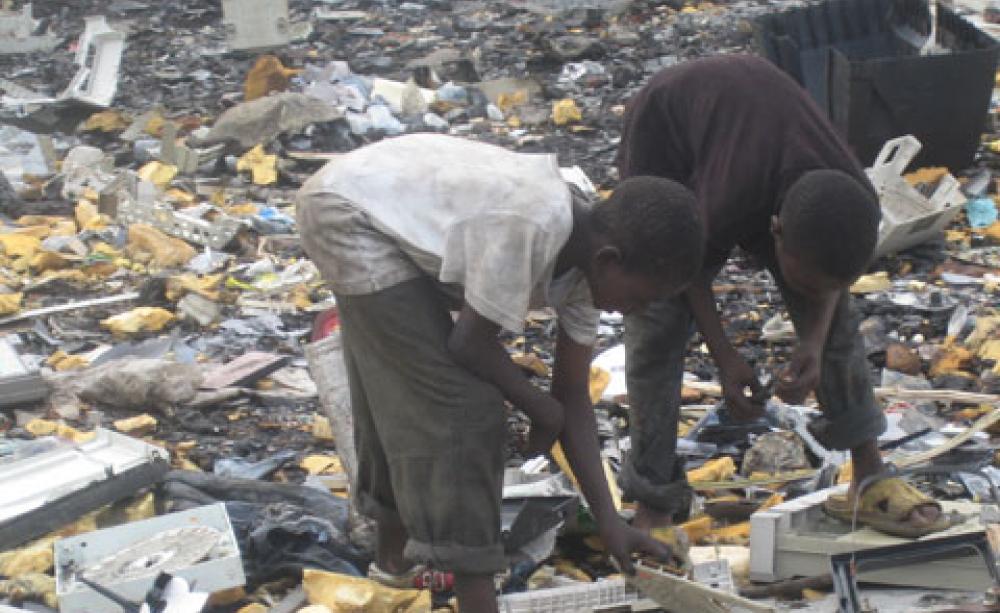
As the world becomes increasingly digital, our reliance on electronic devices grows exponentially. However, with great convenience comes a significant environmental cost. The rapid disposal of electronic waste (e-waste) has become a major concern, posing severe threats to human health and the environment. In this article, we will delve into the issue of illicit e-waste collection in Italy and explore the alarming consequences of this practice.
The Rise of Illicit E-Waste Collection: A Growing Concern
Illicit e-waste collection refers to the unauthorized disposal of electronic waste through informal channels, bypassing formal collection systems and regulations. This practice has become a significant problem in Italy, with an estimated 880,000 tons of e-waste generated in 2011 alone. Despite this, only 37% of these e-waste are collected through official channels.
The lack of effective regulation and enforcement mechanisms has created an environment conducive to illicit activities. The absence of clear guidelines and penalties for non-compliance has emboldened operators to disregard the rules, leading to a proliferation of informal waste management practices.
The Cost of Inaction: Environmental and Health Impacts
The consequences of illicit e-waste collection are far-reaching and devastating. Not only does it lead to environmental degradation, but it also poses significant health risks to local communities. The unregulated disposal of hazardous materials can contaminate soil, air, and water, causing irreparable harm to human health.
Moreover, the lack of regulation creates a competitive advantage for illicit operators, who do not bear the costs associated with proper disposal. This leads to an uneven playing field, where compliant operators are forced to subsidize those that ignore regulations.
The Impact on Free Riders: The Unregulated Waste Trade
One of the most significant issues in the e-waste sector is the phenomenon of “free riders.” These are producers who fail to report or pay for e-waste generated by their products. In 2011, an estimated 300,000 tons (5 kg/abitant) of e-waste were “swallowed” by free riders, resulting in a significant increase in costs for compliant producers.
Free riders exploit loopholes and ambiguities in the regulatory framework to avoid their responsibilities. This practice not only undermines the effectiveness of waste management policies but also creates an unfair competitive environment for legitimate operators.
The Economic Consequences: A Loss for Compliance
The economic impact of illicit e-waste collection is substantial. According to ReMedia’s study, the lack of regulation results in an annual loss of €15 million to €20 million for compliant producers. This figure is expected to rise significantly by 2019, when e-waste volumes are projected to increase substantially.
The economic consequences of non-compliance extend beyond financial losses. The proliferation of illicit waste management practices also leads to increased costs for public health services and emergency response measures.
A Call for Action: Regulation and Enforcement
The situation is dire, but there is hope. ReMedia’s study highlights the importance of regulation and enforcement in ensuring the proper collection and disposal of e-waste. The Italian government must take immediate action to address this issue, implementing policies that promote transparency and accountability throughout the supply chain.
Recommendations for Effective Regulation
To combat illicit e-waste collection, governments must adopt a multi-faceted approach that includes:
- Strengthening Regulations: Clear guidelines and regulations are essential in preventing non-compliance.
- Enhancing Enforcement Mechanisms: Regular inspections, monitoring, and penalties can deter operators from engaging in illicit practices.
- Promoting Public Awareness: Educating consumers about the risks associated with e-waste can reduce the likelihood of improper disposal.
- Encouraging Sustainable Practices: Incentivizing environmentally responsible waste management practices can drive positive change throughout the supply chain.
Conclusion: A Shared Responsibility
Illicit e-waste collection poses a significant threat to human health, the environment, and the economy. It is imperative that we take collective action to address this problem, promoting regulation and enforcement to ensure the responsible disposal of electronic waste. The future of our planet depends on it.
FAQs
- What is illicit e-waste collection?
Illicit e-waste collection refers to the unauthorized disposal of electronic waste through informal channels, bypassing formal collection systems and regulations. - How much e-waste is generated in Italy each year?
An estimated 880,000 tons of e-waste are generated in Italy each year. - What percentage of e-waste is collected through official channels?
Only 37% of e-waste is collected through official channels. - What are the economic consequences of illicit e-waste collection?
The lack of regulation results in an annual loss of €15 million to €20 million for compliant producers. - How much e-waste is “swallowed” by free riders each year?
An estimated 300,000 tons (5 kg/abitant) of e-waste are “swallowed” by free riders each year. - What is the expected increase in e-waste volumes by 2019?
E-waste volumes are projected to increase substantially by 2019. - What can be done to address this issue?
Regulation and enforcement are crucial in ensuring the proper collection and disposal of e-waste. - Why is regulation important?
Regulation promotes transparency and accountability throughout the supply chain, ensuring responsible waste management practices.
By working together, we can mitigate the risks associated with illicit e-waste collection and create a more sustainable future for our planet. The time to act is now.


