
What is Nowcasting?
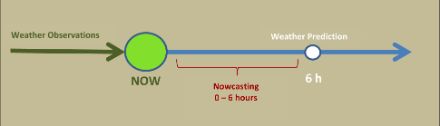
Nowcasting, a term that may be unfamiliar to many of us, has nothing to do with the casting of models, as it often gets mistaken for. Instead, it’s all about making accurate predictions about the weather in the immediate future – within the next six hours, at most. These fast-paced forecasts aim to provide precise information about the weather conditions that will prevail over a limited geographical area.
A Brief History of Nowcasting
The term “nowcasting” originates from the English words “now,” meaning “at present,” and “forecasting,” referring to the prediction of weather patterns. In essence, nowcasting is a type of short-term forecasting that focuses on providing detailed predictions about local weather conditions for the next few hours.
How Does Nowcasting Work?
Nowcasting involves integrating various data sources to create accurate forecasts of local weather conditions. This can include satellite imagery, radar data, and weather observations from nearby stations. The goal is to provide timely and relevant information that can help people make informed decisions about their daily activities, such as planning outdoor events or avoiding travel during severe weather conditions.
The Benefits of Nowcasting
Nowcasting has the potential to save lives by providing critical information about severe weather events like tornadoes, hurricanes, and floods. It’s especially useful for vulnerable populations, such as those living in areas prone to natural disasters. Moreover, nowcasting can help optimize daily activities, like transportation and agriculture, by predicting weather patterns that may impact these sectors.
Nowcasting Web Resources
The internet is an ideal platform for disseminating nowcasting data. Websites and social media platforms provide easy access to real-time weather forecasts, allowing users to stay informed about local weather conditions. These online resources are especially valuable during emergency situations, when timely information can make all the difference.
Arpa: A Key Player in Nowcasting
Arpa (Autorità per la Protezione dell’Ambiente) is a crucial source of reliable and up-to-date information for nowcasting. Their website provides forecasts that are tailored to specific regions, making it easier for users to access relevant data. Arpa’s nowcasting data is essential for emergency management and public safety.
Nowcasting in Italy
Italy is known for its unpredictable weather patterns, with frequent rain showers, thunderstorms, and occasional flooding events. Nowcasting plays a vital role in helping the population prepare for and respond to these extreme weather conditions. By providing timely forecasts, nowcasting can help save lives, reduce damage, and minimize disruptions to daily life.
Global Applications of Nowcasting
Nowcasting is not limited to Italy; it’s used worldwide, particularly in regions prone to severe weather events like tornadoes, hurricanes, and floods. In the United States, for example, nowcasting is an essential tool for emergency management and public safety. The use of social media platforms has also increased awareness about nowcasting, with dedicated channels and meteorologists sharing critical information.
The Role of Radar Technology in Nowcasting
Radar technology plays a significant role in nowcasting by providing high-resolution images of precipitation patterns. Doppler radar, in particular, can detect the movement of storms and tornadoes, allowing for more accurate predictions about severe weather events.
How Radar Data is Used in Nowcasting
Radar data is used to generate detailed forecasts of precipitation patterns, including intensity, duration, and location. This information is then integrated with other data sources, such as satellite imagery and weather observations from nearby stations, to create a comprehensive picture of the current weather situation.
The Importance of Nowcasting for Aviation Safety
Nowcasting is essential for aviation safety, particularly during severe weather events like thunderstorms and tornadoes. By providing accurate forecasts of precipitation patterns and wind speeds, nowcasting can help pilots plan safe flight routes and avoid hazardous conditions.
How Nowcasting Impacts Daily Life
Nowcasting can have a significant impact on daily life, particularly in regions prone to extreme weather events. By providing timely information about weather conditions, nowcasting can help people make informed decisions about their daily activities, such as planning outdoor events or avoiding travel during severe weather conditions.
The Limitations of Nowcasting
While nowcasting has numerous benefits, it’s not without its limitations. Factors like data quality, resolution, and spatial coverage can impact the accuracy of forecasts. Additionally, nowcasting is only as good as the data used to generate it, so it’s essential to consider these factors when evaluating the reliability of forecasts.
Best Practices for Nowcasting
To ensure accurate nowcasting, it’s essential to follow best practices. These include:
- Using high-quality data sources
- Integrating multiple data sources to create a comprehensive picture of the current weather situation
- Providing timely and relevant information about weather conditions
- Considering factors like data quality, resolution, and spatial coverage when evaluating forecast accuracy
Conclusion
Nowcasting is a vital tool for providing accurate forecasts of local weather conditions in the immediate future. By leveraging various data sources and integrating them into a single platform, nowcasting can help save lives, reduce damage, and optimize daily activities. As technology continues to evolve, we can expect even more advanced nowcasting tools to emerge, making it easier than ever to access critical information about severe weather events.
Frequently Asked Questions (FAQs)
- What is the difference between nowcasting and traditional forecasting?
Nowcasting focuses on providing accurate forecasts of local weather conditions for the next few hours, whereas traditional forecasting aims to predict longer-term weather patterns.
- How does nowcasting work?
Nowcasting involves integrating various data sources, such as satellite imagery, radar data, and weather observations from nearby stations, to create accurate forecasts of local weather conditions.
- What are some common applications of nowcasting?
Nowcasting is commonly used in emergency management and public safety, particularly during severe weather events like tornadoes, hurricanes, and floods.
- How can I access nowcasting data online?
There are several websites and social media platforms that provide real-time nowcasting data, such as Arpa’s website and dedicated meteorology channels on social media.
- What is the benefit of nowcasting for vulnerable populations?
Nowcasting can help save lives by providing critical information about severe weather events, which can be particularly useful for vulnerable populations, such as those living in areas prone to natural disasters.
- How does nowcasting improve daily life?
Nowcasting can optimize daily activities, like transportation and agriculture, by predicting weather patterns that may impact these sectors.
- What are some limitations of nowcasting?
Nowcasting is not without its limitations; it’s essential to consider factors like data quality, resolution, and spatial coverage when evaluating the accuracy of forecasts.
- How can I stay informed about severe weather events using nowcasting?
Stay tuned to local news sources, social media platforms, and dedicated meteorology channels for real-time updates on severe weather events and nowcasting data.


