
Have you ever wondered why wave energy isn’t as widely adopted as solar or wind power? Despite having all the right ingredients, wave energy seems to be struggling to gain traction. Let’s dive into the world of wave energy and explore the challenges it faces.
What is Wave Energy?
Wave energy is a form of renewable energy that harnesses the kinetic energy of ocean waves to generate electricity. The principle is similar to wind or solar power, where we use natural resources to produce clean energy. Waves are formed by wind blowing over the surface of the ocean, creating a movement that can be harnessed using various technologies.
The Potential of Wave Energy
Estimates suggest that the total power generated by wave energy worldwide is around 90 million gigawatts! That’s an enormous amount of energy waiting to be tapped. So, why isn’t wave energy more popular?
Challenges in Harnessing Wave Energy
There are several reasons why wave energy hasn’t taken off yet:
- Harsh Environment: The ocean is a harsh environment for human infrastructure. The costs of installing and maintaining wave energy devices skyrocket when deployed offshore.
- Corrosion and Maintenance: Seawater is corrosive, and wave energy devices need to withstand these conditions. Maintenance and repair teams must be able to access the devices, which can be costly and logistically challenging.
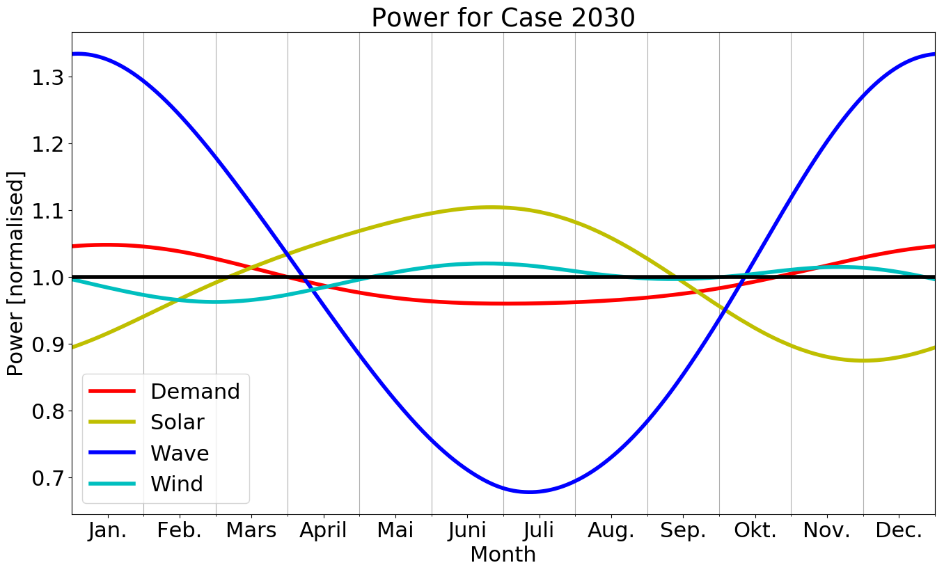
- Unpredictability of Waves: Ocean waves are inherently unpredictable, making it difficult to design systems that can reliably harness their energy.
Programs Piloting Wave Energy
Despite the challenges, several pilot programs are underway in various locations around the world:
- Portugal: Offshore wave energy projects are being tested along Portugal’s coast. The country has a long coastline and strong winds, making it an ideal location for testing new technologies.
- Scotland: Scotland is also investing in offshore wave energy initiatives. The UK government has set ambitious targets to increase renewable energy production, with wave energy playing a key role in this effort.
- Australia: Australian researchers are working on developing more efficient and durable wave energy devices. The country’s coastal waters offer ideal conditions for testing new technologies.
The Path Forward
For wave energy to become a viable alternative, we need to see significant advancements in technology. This includes:
- Improving Device Durability: Developing devices that can withstand the harsh marine environment.
- Enhancing Efficiency: Creating systems that can harness wave energy more efficiently.
- Cost Reduction: Reducing the costs of installation and maintenance.
To improve device durability, researchers are exploring new materials and designs. For example, some companies are using advanced polymers and composites to create stronger, lighter devices.
Advancements in Efficiency
Efficiency is also a major challenge for wave energy technology. Researchers are working on developing more efficient systems that can harness the full potential of wave energy.
One approach is to use advanced sensor technologies to better understand ocean waves. This information can be used to optimize system design and improve efficiency.
Cost Reduction Strategies
Reducing costs is crucial for making wave energy a viable alternative. Several strategies are being explored, including:
- Modular Design: Developing modular systems that can be easily assembled and disassembled.
- Offshore Manufacturing: Building devices offshore to reduce transportation costs.
- Recycling: Recycling old devices to reduce waste and save resources.
Conclusion
Wave energy has tremendous potential, but it faces several challenges. As research and development continue, we may see wave energy become a more viable alternative to traditional renewable energy sources. With continued investment and innovation, we can unlock the full potential of wave energy and create a cleaner, more sustainable future.
Frequently Asked Questions
Q: Why isn’t wave energy more popular?
A: Wave energy faces several challenges, including harsh environmental conditions, corrosion, and maintenance costs.
Q: What are some pilot programs for wave energy?
A: Several pilot programs are underway in Portugal, Scotland, and Australia to test offshore wave energy technologies.
Q: How can we improve wave energy technology?
A: Improving device durability, enhancing efficiency, and reducing costs are key steps towards making wave energy a more viable alternative.
Q: What’s the future of wave energy?
A: With continued investment and innovation, wave energy has the potential to become a significant contributor to our renewable energy mix.
The Economic Impact of Wave Energy
Wave energy also has the potential to create new industries and jobs. In addition to generating clean energy, wave energy devices can provide:
- Tourism: Wave energy devices can be designed with tourism in mind, creating new opportunities for coastal communities.
- Fishing: Offshore wind farms can be used as a platform for fishing vessels, reducing costs and increasing efficiency.
- Marine Research: Wave energy devices can be used to support marine research efforts, providing valuable data on ocean currents and waves.
Environmental Benefits of Wave Energy
Wave energy also has significant environmental benefits. By harnessing the power of waves, we can:
- Reduce Carbon Emissions: Wave energy is a clean source of energy that does not produce greenhouse gas emissions.
- Protect Coastal Communities: Offshore wave energy devices can be designed to protect coastal communities from erosion and flooding.
- Support Marine Life: Wave energy devices can be used to support marine life, providing habitats for fish and other species.
Conclusion
Wave energy has tremendous potential, but it faces several challenges. As research and development continue, we may see wave energy become a more viable alternative to traditional renewable energy sources. With continued investment and innovation, we can unlock the full potential of wave energy and create a cleaner, more sustainable future.
By understanding the challenges and opportunities in wave energy technology, we can work towards creating a brighter, more sustainable future for all.


