
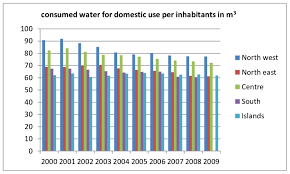
Italy is the European country with the lowest water tariffs, but it’s also where the water network is less efficient and has more waste. When it comes to wastewater treatment, Italy has big problems too. Water waste in Italy is caused by a poor management of the water network and supported by Italians’ bad behavior.
The Role of Italians
We Italians are the biggest consumers of bottled mineral water in Europe. The country ranks first in the world for per-capita consumption of bottled water and second globally, due to 31.2% of the population not trusting tap water: think about the cases with arsenic-contaminated water and past contamination incidents at Terra dei Fuochi.
This distrust can be attributed to a variety of factors, including the lack of transparency in the distribution network, inadequate treatment of wastewater, and concerns about the safety of tap water. As a result, many Italians prefer to buy bottled mineral water, even though it’s more expensive and contributes to plastic waste.
Wastewater Waste in Italy Linked to Public Behavior
The wastewater waste linked to public behavior is obvious (waste, poor habits…) or hidden (consumption of foods or products that need a huge amount of water). We recommend reading:
- How to Save Drinking Water: This article provides tips on reducing drinking water consumption and suggests alternatives to bottled mineral water.
- How to Collect Rainwater: This article explains the benefits of collecting rainwater and provides guidance on how to do it effectively.
- How to Conserve Water at Meals: This article offers practical advice on reducing water usage in the kitchen, from using low-flow appliances to choosing water-efficient cooking methods.
Inefficient Distribution Network
According to Censis data published in May 2014, Italy has an enormous amount of wasted water. The percentage of wastewater waste in the distribution network is almost 32%, which forces you to increase the tap: Italy ranks third in the world for importers of drinking water. With an inefficient distribution network, not only do sources become impoverished, but many services are disrupted: 9% of the Italian population complains about interruptions of water supply, with rates higher in the south reaching up to 29% in Calabria.
Wastewater waste found in Italy’s distribution network is unmatched across Europe: Germany has a rate of 6.5%, England has 15.5%, and France has 21%. The issue lies in investments: Italy spends approximately €30 per person each year, but investments should be made on water pipelines, sewerage systems, and wastewater treatment plants. A low figure considering that Germany invests €80 per person, France €90, and the UK up to €100.
To match Italy’s water distribution network with the rest of the EU, Censis estimates it would need €65 billion in investments over 30 years.
How Much Does Water Cost in Italy?
Italy has the highest wastewater waste in Europe but offers the lowest tariffs for water services: a Censis estimate is 85 cents per day for families. A family of three with an annual consumption of 180 cubic meters spends €307 annually, or €25.6 per month. For the same service, Spain charges €330 annually, France €700, Austria, Germany, and the UK up to €770.
The €307 spent by a family each year on water services covers only €143 for the water pipeline, while the rest goes towards sewage and wastewater treatment; so an Italian household spends approximately 40 cents per day just to have potable drinking water at home.
Case Studies
To understand the extent of water waste in Italy, let’s look at some case studies:
- In Rome, the water supply system is under pressure due to aging infrastructure and high demand. The city’s water utility, ACWS, has implemented measures to reduce waste and improve efficiency, including installing smart meters and promoting water-saving behaviors among residents.
- In Florence, the municipality has introduced a pay-per-use system for water services, charging customers based on their actual consumption. This approach has helped reduce waste and increase revenue for the city’s water utility.
- In Venice, the lagoon city is facing significant challenges due to its unique environment and high water demand. The Venetian Water Authority has implemented measures to conserve water and protect the city’s ecosystem, including installing rainwater harvesting systems and promoting sustainable tourism practices.
Conclusion
Italy’s water waste problem is not just about consumers, but also about management of the network. Although water tariffs are low in Italy, it’s crucial to invest more in infrastructure to reduce waste and improve services. We must address this issue by working together to make sustainable changes in our daily habits.
Frequently Asked Questions
- What percentage of wastewater is wasted in Italy?
32% of wastewater is wasted in the distribution network. - How much does water cost per family in Italy?
Families pay around €307 annually, with 40 cents spent on potable drinking water. - Which country has the highest rate of wastewater waste in Europe?
Italy ranks first, followed by Germany, France, and England. - What is the recommended daily spending limit for water consumption per person?
It’s difficult to establish a specific figure, but experts suggest reducing consumption to 50 cubic meters per year or less. - Why are Italy’s water tariffs so low compared to other European countries?
Low water costs stem from high volume imports and lack of investment in infrastructure. - How much would it cost to improve Italy’s distribution network with current investments?
Censis estimates that €65 billion would be needed over 30 years. - What are some easy ways for individuals to reduce their water consumption at home?
Turn off taps while brushing teeth, take shorter showers, and install low-flow devices. - Can wastewater treatment plants help improve the situation in Italy?
While they play a role, wastewater treatment alone cannot solve the underlying issue of inefficient distribution networks.
Recommendations for Change
To address water waste in Italy, we recommend the following:
- Invest in infrastructure: Increase funding for water pipelines, sewerage systems, and wastewater treatment plants to improve efficiency and reduce waste.
- Implement smart meters: Install smart meters to monitor water consumption and provide real-time data on usage patterns.
- Promote sustainable behaviors: Educate residents about the importance of water conservation and promote behaviors that reduce waste and increase efficiency.
- Introduce pay-per-use systems: Consider introducing pay-per-use systems for water services, charging customers based on their actual consumption.
- Support wastewater treatment upgrades: Upgrade wastewater treatment plants to improve efficiency and reduce emissions.
By working together to address these issues, we can create a more sustainable future for Italy’s water resources.


