
Water in our pipes is filled with residues and minerals that crystallize, making it necessary to use a device like a water softener. It’s not about adding sugar, but rather about balancing the concentration of particles that make water hard and damaging to our plumbing.
Understanding the Problem with Hard Water
Hard water is caused by the presence of dissolved calcium and magnesium salts in the water. These minerals can cause problems for people who live in areas where the water is particularly hard. Some of the most common issues associated with hard water include:
- Streaks on dishes and glassware
- Soap scum buildup on surfaces
- Dry, itchy skin
- Hair that’s prone to tangling or breaking
- Scale buildup in pipes and appliances
Hard water can also be more expensive to treat than soft water. This is because the minerals present in hard water can corrode pipes and appliances over time.
What is a Water Softener?
A water softener is a device that removes calcium and magnesium ions from water, replacing them with sodium or potassium ions. These ions are essential for human health and play a crucial role in many bodily processes.
There are two main types of water softeners: magnetic and domestic.
- Magnetic Water Softener: This type uses a magnetic field to transform calcium into a harmless compound, without reducing the water’s hardness.
- Domestic Water Softener: A true water softener that eliminates ions like calcium and magnesium from the water, replacing them with minerals like sodium and potassium.
Benefits of Using a Water Softener
A water softener is designed to prevent damage to our plumbing systems by removing minerals like calcium and magnesium that make water hard. These minerals can accumulate in pipes and cause problems like:
- Reduced efficiency of appliances, such as washing machines and dishwashers
- Shortened lifespan of plumbing fixtures and appliances
- Damage to skin and hair due to mineral-rich water
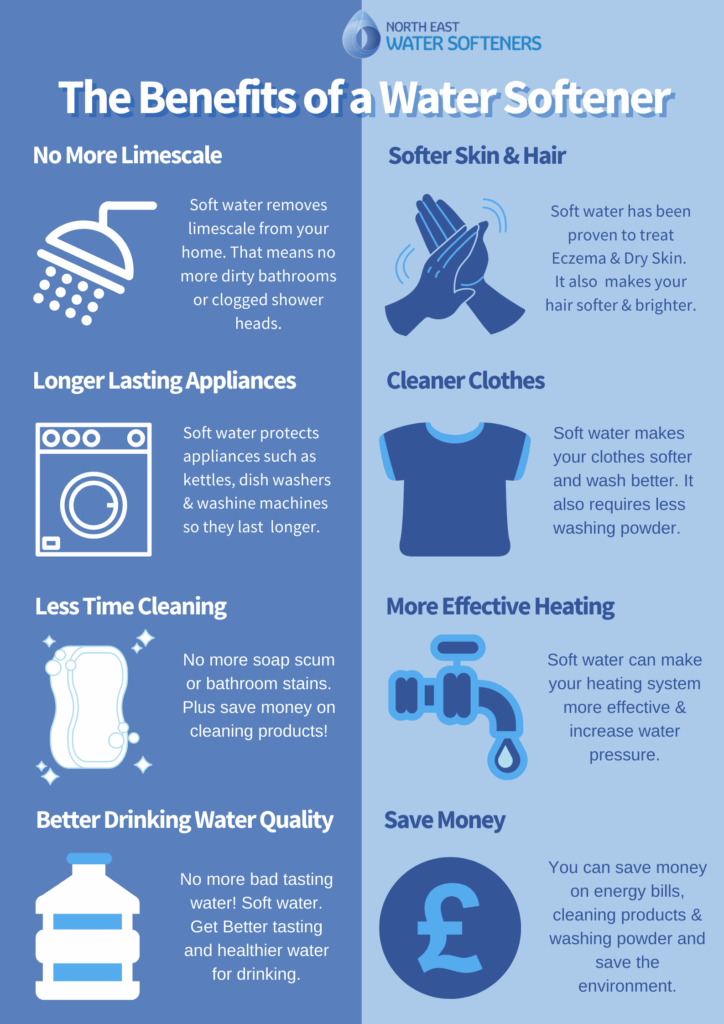
However, using a water softener also has benefits that go beyond just preventing damage. For example:
- Reduced consumption of detergents by up to 70%
- Longer-lasting appliances and plumbing systems
- Energy savings of around 15-20% on hot water heating
Types of Water Softeners
When selecting a water softener, it’s essential to consider factors such as:
- Water hardness: If your water is very hard, you’ll need a more powerful device.
- Budget: Addolcitore acqua can cost anywhere from under 100 euros to over 1,600.
There are many different types of water softeners available on the market, including:
- Salt-based water softeners
- Salt-free water softeners
- Magnetic water softeners
- Reverse osmosis systems
Each type of water softener has its own unique benefits and drawbacks. Some may be more effective at removing minerals from water, while others may be more energy-efficient.
How to Choose the Right Water Softener
Choosing the right water softener for your home can be a daunting task. Here are some tips to consider:
- Research different types of water softeners and their benefits
- Consider factors such as budget and water hardness
- Read reviews from other customers to get an idea of how effective a particular model is
- Consult with a professional if you’re unsure about which type of water softener is right for your home
By understanding the benefits and types of water softeners, you can make an informed decision about which one is right for your home.
Salt-Based Water Softeners
Salt-based water softeners use salt to remove minerals from water. They work by exchanging sodium ions in the water for calcium and magnesium ions in the resin. The result is water that is free of minerals that cause scaling and corrosion.
However, salt-based water softeners can have some drawbacks. For example:
- Salt can be expensive
- Salt-based systems require regular maintenance to ensure they continue to work effectively
Despite these drawbacks, salt-based water softeners remain one of the most popular types of water softeners on the market.
Salt-Free Water Softeners
Salt-free water softeners do not use salt to remove minerals from water. Instead, they use alternative technologies such as ion exchange or magnetic fields to soften the water.
Salt-free water softeners are often preferred by those who want to avoid using salt in their home. However, they can also be more expensive than traditional salt-based systems.
Magnetic Water Softeners
Magnetic water softeners work by using a magnetic field to transform calcium into a harmless compound. This process is called magnetization and it does not reduce the water’s hardness.
However, magnetic water softeners may not be as effective at removing minerals from water as other types of systems. They can also be more expensive than traditional salt-based systems.
Reverse Osmosis Systems
Reverse osmosis systems use a semipermeable membrane to remove minerals and other impurities from water. These systems are often used in commercial settings such as restaurants and hotels.
However, reverse osmosis systems can also be effective at removing minerals from water for domestic use. They may require additional maintenance and replacement of the membrane over time.
Maintenance and Upkeep
Regular maintenance is essential to ensure that your water softener continues to work effectively. Here are some tasks you should perform on a regular basis:
- Check the salt levels in your system
- Replace the resin or other parts as needed
- Clean the system regularly
By following these tips, you can help extend the lifespan of your water softener and ensure that it continues to provide clean and healthy drinking water for years to come.
Conclusion
In conclusion, choosing the right water softener for your home is an important decision. With so many different types of systems available on the market, it’s essential to do your research and consider factors such as budget and water hardness. By understanding the benefits and drawbacks of each type of system, you can make an informed decision about which one is right for your home.
Whether you choose a salt-based, salt-free, magnetic, or reverse osmosis system, regular maintenance and upkeep are essential to ensure that it continues to provide clean and healthy drinking water.


