
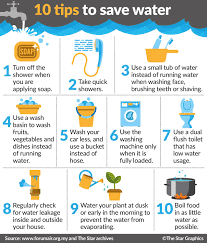
Water is an indispensable resource for life, and it’s not renewable. Contributing to water conservation is a civic duty that requires responsibility towards a shared good. To help you get started, we’ve compiled a list of practical tips on water conservation in your home.
Water Conservation at Home: Maintenance and Fixtures
Performing regular maintenance tasks can make a significant difference in reducing water waste over time. Even small leaks can lead to substantial water loss if left unchecked. Here are some additional tips for conserving water at home:
- Install low-flow showerheads and faucets to reduce hot water usage
- Adjust the water pressure by installing a pressure-reducing valve, which can help conserve water by reducing flow rates
- Replace old fixtures with new ones that have lower water consumption
Additionally, consider the following maintenance tips to optimize your home’s water efficiency:
- Inspect your pipes regularly for leaks and cracks
- Check your toilet flapper and fill valve for proper function
- Install a water-saving faucet aerator on your kitchen sink
- Fix any leaks or drips promptly to avoid wasting water
- Consider installing a smart water sensor to detect potential issues early
Water Conservation in Daily Life: Showering and Oral Hygiene
Small changes in daily habits can make a big impact on water conservation. Try these tips:
- Take shorter showers (three minutes is sufficient) and turn off the tap while lathering up
- Turn off the faucet while brushing your teeth to conserve water
Incorporating these simple habits into your daily routine can lead to significant water savings over time.
Water Conservation in Food Preparation: Cooking and Cleaning
When cooking, you can also reduce water waste by:
- Collecting and reusing cooking water for watering plants or washing utensils
- Using a dishwasher with an energy-efficient cycle
In the kitchen, consider using a sink filled with baking soda and vinegar to clean dishes instead of running hot water.
Water Conservation in Cleaning: Household Chores
When cleaning your home, you can also reduce water waste by:
- Using a bucket to wash floors or walls
- Wringing out clothes before hanging them up
By implementing these tips, you’ll not only save water but also contribute to reducing your household expenses.
Water Conservation in the Garden: Irrigation
Gardening is another area where water conservation can be achieved through smart irrigation practices. Try these tips:
- Collecting and reusing rainwater for watering plants
- Installing drip irrigation systems, which deliver water directly to the roots of plants
In addition to conserving water, you’ll also reduce evaporation and runoff.
Water Conservation in Outdoor Spaces: Swimming Pools and Lawns
Outdoor spaces can be significant sources of water waste. Consider these tips:
- Using a pool cover or solar blanket to reduce evaporation
- Installing a rainwater harvesting system for your lawn
By implementing these practical tips, you’ll contribute to reducing water waste and promoting sustainable practices in your community.
Conclusion: Every Small Action Counts
Water conservation is a collective responsibility that requires individual actions. By implementing these practical tips in your home and garden, you’ll contribute to reducing water waste and promoting sustainable practices.
Frequently Asked Questions (FAQs)
- Q: What are the benefits of conserving water?
A: Water conservation helps reduce our reliance on non-renewable resources, lowers energy consumption for treatment and pumping, and saves money on household expenses. - Q: How much water can I save by using low-flow fixtures?
A: Installing low-flow showerheads and faucets can save up to 20 gallons of water per day, depending on usage patterns. - Q: Can I use rainwater for drinking purposes?
A: No, rainwater is not suitable for human consumption due to potential contamination from pollutants in the air or debris during collection. However, it can be used for irrigation and other non-potable purposes. - Q: Are there any local regulations regarding water conservation?
A: Yes, many cities and towns have implemented water-saving measures, such as restrictions on outdoor watering schedules or requirements for low-flow fixtures. Check with your local government to determine specific guidelines in your area. - Q: How can I educate others about the importance of water conservation?
A: Share personal experiences, statistics, and practical tips through social media, community events, or educational materials to inspire others to adopt sustainable practices. - Q: Can I use a bucket to collect rainwater for irrigation?
A: Yes, using a bucket to collect rainwater can be an effective way to harvest water for non-potable purposes. However, ensure that the collected water is properly filtered and cleaned before use. - Q: Are there any tax incentives or rebates available for water-efficient appliances and fixtures?
A: Many governments offer financial incentives, such as tax credits or rebates, to encourage residents to install energy-efficient appliances and low-flow fixtures. Check with your local government for available programs. - Q: How can I measure my water usage and identify areas for improvement?
A: Use a water meter to track your daily consumption, and consider installing smart sensors or leak detection systems to detect potential issues early on. - Q: Can I use a dishwasher with an energy-efficient cycle?
A: Yes, many modern dishwashers have energy-saving features that can help reduce energy consumption. Look for the ENERGY STAR label when selecting a new dishwasher.
By adopting these practical tips and sharing them with others, we can collectively make a significant impact on water conservation and promote sustainable practices in our communities.


