
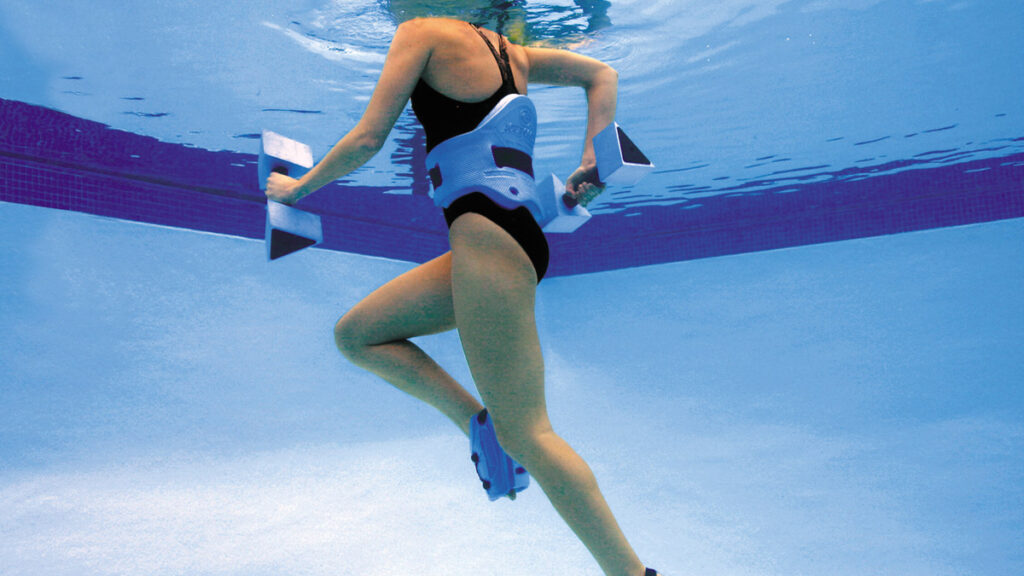
As we continue to explore new ways to stay physically and mentally fit, one activity that has gained popularity in recent years is swimming pool running. Also known as pool running or aqua jogging, this exercise combines the benefits of running with the soothing effects of water. In this article, we’ll delve into what swimming pool running entails, its benefits, and how it can be incorporated into your fitness routine.
What is Swimming Pool Running?
The name itself reveals that swimming pool running originated in America as a form of rehabilitation for injuries or illnesses. Initially used only as an alternative to traditional land-based exercises, pool running has become increasingly popular among individuals seeking a low-impact yet effective way to stay fit.
Unlike traditional running on land, pool running allows you to engage your muscles without putting excessive strain on your joints. The water provides buoyancy, reducing the impact on your body and making it an ideal activity for people with mobility issues or chronic pain.
How Does Pool Running Work?
When practiced correctly, swimming pool running mimics the movements of traditional running, but with a significant twist. The water’s resistance increases as you move through it, engaging more muscles than land-based running would. This results in improved cardiovascular fitness and increased muscle tone.
The movement itself is characterized by a fluid, vertical stroke, often aided by flotation devices or pool noodles to maintain balance and stability. As you swim, your body works together with the water, leveraging its support to enhance your movements.
Where and Who Should Try Pool Running?
While anyone can try pool running, it’s particularly suitable for those who:
- Need low-impact exercises due to mobility issues or chronic pain
- Want to vary their fitness routine without overexerting themselves
- Struggle with traditional land-based running due to injuries or health concerns
- Are looking for an efficient way to lose weight and improve muscle tone
Pool running can be practiced in a variety of settings, including:
- Home pools: Invest in a pool noodle or flotation device to get started at home.
- Public pools: Many community centers and fitness studios offer pool running classes or open swimming sessions.
Benefits of Pool Running
The benefits of swimming pool running are numerous, making it an attractive option for those seeking a low-impact yet effective workout. Some of the key advantages include:
- Injury Prevention: Pool running reduces the impact on joints, making it an ideal activity for people with mobility issues or chronic pain.
- Improved Cardiovascular Fitness: The water’s resistance increases as you move through it, engaging more muscles and improving cardiovascular fitness.
- Muscle Tone: Pool running helps build muscle tone in the legs, glutes, and core, leading to improved overall physical fitness.
- Calorie Burn: Swimming pool running burns calories due to the increased energy expenditure required to move through the water.
- Stress Relief: The soothing effects of water can help reduce stress and promote relaxation.
Additional Benefits of Pool Running
In addition to the benefits mentioned above, swimming pool running has several other advantages that make it a valuable exercise option:
- Low-Impact on Joints: Pool running reduces the impact on joints, making it an ideal activity for people with joint issues or chronic pain.
- Improved Balance and Coordination: The water’s resistance helps improve balance and coordination, reducing the risk of falls and injuries.
- Increased Muscle Strength: Swimming pool running can help build strength in the muscles, particularly in the legs and core.
- Enhanced Flexibility: Pool running can help improve flexibility by increasing range of motion and reducing muscle stiffness.
Pool Running Techniques
To get the most out of swimming pool running, it’s essential to master various techniques. Here are some tips to help you improve your technique:
- Start with a gentle pace: Begin with slow, gentle movements and gradually increase your speed as you become more comfortable.
- Use proper body position: Maintain a vertical body position in the water, engaging your core muscles to support your movements.
- Keep your head down: Keep your head down and eyes focused on the pool floor to maintain balance and stability.
- Engage your legs: Use your legs to propel yourself through the water, keeping them relaxed and loose.
Pool Running Safety
While swimming pool running is generally a safe activity, it’s essential to take certain precautions to minimize risks:
- Warm up before starting: Always warm up before starting pool running with some light stretching or walking.
- Start slowly: Begin with slow, gentle movements and gradually increase your speed as you become more comfortable.
- Use flotation devices if necessary: If you’re new to pool running or have mobility issues, consider using flotation devices or pool noodles to maintain balance and stability.
Incorporating Pool Running into Your Fitness Routine
To get the most out of swimming pool running, it’s essential to incorporate it into your fitness routine regularly. Here are some tips to help you do so:
- Aim for 2-3 sessions per week: Aim to practice pool running at least 2-3 times per week, allowing for adequate rest time between sessions.
- Start with short sessions: Begin with shorter sessions (20-30 minutes) and gradually increase the duration as you become more comfortable.
- Combine with strength training: Incorporate strength training exercises into your pool running routine to enhance muscle tone and overall fitness.
Conclusion
Swimming pool running is an excellent alternative for those seeking a low-impact yet effective way to stay physically fit. With its numerous benefits, including injury prevention, improved cardiovascular fitness, muscle tone, calorie burn, and stress relief, it’s an activity that can be enjoyed by people of all ages and abilities.
Whether you’re looking to incorporate pool running into your existing fitness routine or seeking a new way to challenge yourself, this exercise is sure to deliver. So why not give it a try? Your body – and mind – will thank you!
FAQs
- Is pool running suitable for beginners?
Yes! Pool running is an excellent starting point for those new to water-based exercises or looking to transition from land-based activities.
- Can I use pool noodles or other flotation devices?
Absolutely! These devices can aid in balance and stability, making it easier to get started with pool running.
- Is swimming pool running a high-intensity workout?
While pool running can be an intense workout, it’s generally lower-impact than traditional running on land.
- Can I practice pool running with a heart rate monitor or other fitness tracking device?
Yes! These devices can help you track your progress and optimize your workout.
- Is swimming pool running suitable for people with certain medical conditions?
Consult with your healthcare professional before starting any new exercise program, especially if you have concerns about mobility or chronic pain.
- Can I practice pool running outdoors?
No, it’s not recommended to practice pool running outdoors due to the unpredictable nature of water and potential safety hazards.
- How often should I practice pool running?
Aim to practice pool running 2-3 times per week, allowing for adequate rest time between sessions.
- Can I incorporate strength training into my pool running routine?
Yes! Incorporating strength training exercises can enhance your overall fitness and muscle tone.


