
Understanding Swelling in the Legs: Causes and Remedies
As women, we’ve all experienced the discomfort of swollen legs. But what causes this issue? In this article, we’ll delve into the causes of fluid retention in the legs, explore the consequences of neglecting these symptoms, and discuss natural remedies to combat swelling.
Diuretics: A Natural Solution or a Temporary Fix?
You may have tried using diuretics (natural or artificial) to alleviate fluid retention. However, these remedies are not always effective and can even worsen the situation if the underlying cause is not addressed.
Diuretics can be a good natural solution for some women, but they’re not a one-size-fits-all remedy. If you have a protein deficiency, diuretics won’t address the root issue. In fact, they might exacerbate the problem. On the other hand, if you maintain a balanced diet and consult with a nutritionist, diuretics can be an effective solution.
Causes of Swelling in the Legs
Swelling in the legs is often linked to several factors. Some common causes include:
- Pregnancy: As the uterus expands, it puts pressure on veins, leading to fluid accumulation.
- Menstrual Syndrome (PMS): Hormonal fluctuations can cause water retention and swelling.
- Sedentary lifestyle: When we don’t move enough, our circulation slows down, allowing fluids to accumulate in the legs.
- Long-distance travel: Prolonged sitting can lead to fluid buildup in the veins.
- Immobilization: Bed rest or prolonged periods of inactivity can cause swelling.
- Medications: Certain medications, such as hormone replacement therapy and non-steroidal anti-inflammatory drugs (NSAIDs), can contribute to fluid retention.
- Protein deficiency: A lack of protein can disrupt fluid balance, leading to swelling.
- Nutritional imbalances: Inadequate intake of essential vitamins, particularly B-complex vitamins and magnesium, can exacerbate the problem.
The Consequences of Ignoring Swelling
If left untreated, fluid retention in the legs can lead to:
- Venous varicose: Weakened veins can become swollen and twisted, causing discomfort and potentially leading to more severe complications.
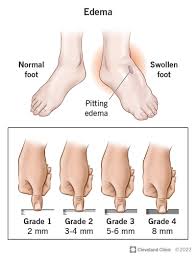
- Edema: Prolonged swelling can cause skin thickening and discoloration.
Natural Remedies for Swelling
Fortunately, there are several natural remedies that can help alleviate fluid retention in the legs. Some effective options include:
- Eating diuretic foods: Incorporate foods like asparagus, celery, and cucumber into your diet to promote fluid drainage.
- Engaging in regular exercise: Regular physical activity can improve circulation and reduce swelling.
- Elevating your legs: When sitting or lying down, elevate your legs above the level of your heart to reduce fluid accumulation.
- Using herbal remedies: Certain herbs like dandelion root and juniper berries have natural diuretic properties that may help alleviate swelling.
Lifestyle Changes for a Healthier You
In addition to natural remedies, there are several lifestyle changes you can make to reduce the risk of fluid retention in your legs. Some effective options include:
- Regular exercise: Engage in physical activity, such as walking or swimming, to improve circulation and reduce swelling.
- Maintaining a healthy weight: Excess weight can put pressure on veins, leading to fluid accumulation.
- Eating a balanced diet: Focus on consuming foods that promote fluid drainage, such as diuretic-rich fruits and vegetables.
- Staying hydrated: Drink plenty of water to help flush out excess fluids and reduce swelling.
Preventing Swelling in the Legs
While it’s impossible to completely eliminate the risk of fluid retention in your legs, there are several steps you can take to reduce the likelihood. Some effective options include:
- Wearing compression stockings: Compression stockings can help improve circulation and reduce swelling.
- Elevating your legs regularly: Make a habit of elevating your legs above the level of your heart throughout the day.
- Avoiding prolonged sitting or immobilization: Take regular breaks to stretch and move around, reducing the risk of fluid accumulation.
Conclusion
Fluid retention in the legs is a common issue that can be caused by various factors. By understanding the causes, consequences, and natural remedies for swelling, you can take steps to alleviate this discomfort. Remember to consult with a healthcare professional if your symptoms persist or worsen.
Frequently Asked Questions (FAQs)
- What are some common causes of fluid retention in the legs?
- Pregnancy, menstrual syndrome (PMS), sedentary lifestyle, long-distance travel, immobilization, certain medications, protein deficiency, and nutritional imbalances.
- How can I alleviate swelling in my legs naturally?
- Engage in regular exercise, eat diuretic foods, elevate your legs above the level of your heart, and consider herbal remedies like dandelion root and juniper berries.
- Can I use diuretics as a natural remedy for fluid retention?
- Diuretics can be an effective solution if you maintain a balanced diet and consult with a nutritionist. However, they’re not a one-size-fits-all remedy, and in some cases, may exacerbate the problem.
- Are there any foods that can help reduce swelling in my legs?
- Yes, incorporating foods like asparagus, celery, and cucumber into your diet can promote fluid drainage and alleviate swelling.
- Can certain medications contribute to fluid retention?
- Certain medications like hormone replacement therapy and non-steroidal anti-inflammatory drugs (NSAIDs) can increase the risk of fluid retention.
- How can I prevent swelling in my legs?
- Engage in regular exercise, maintain a balanced diet, elevate your legs above the level of your heart, and avoid prolonged sitting or immobilization.
- Can I get rid of varicose veins if I have fluid retention in my legs?
- While fluid retention can exacerbate venous varicose, it is not a direct cause of the condition. Treating the underlying causes of fluid retention may help alleviate symptoms and improve overall circulation.
Stay informed, stay healthy!


