
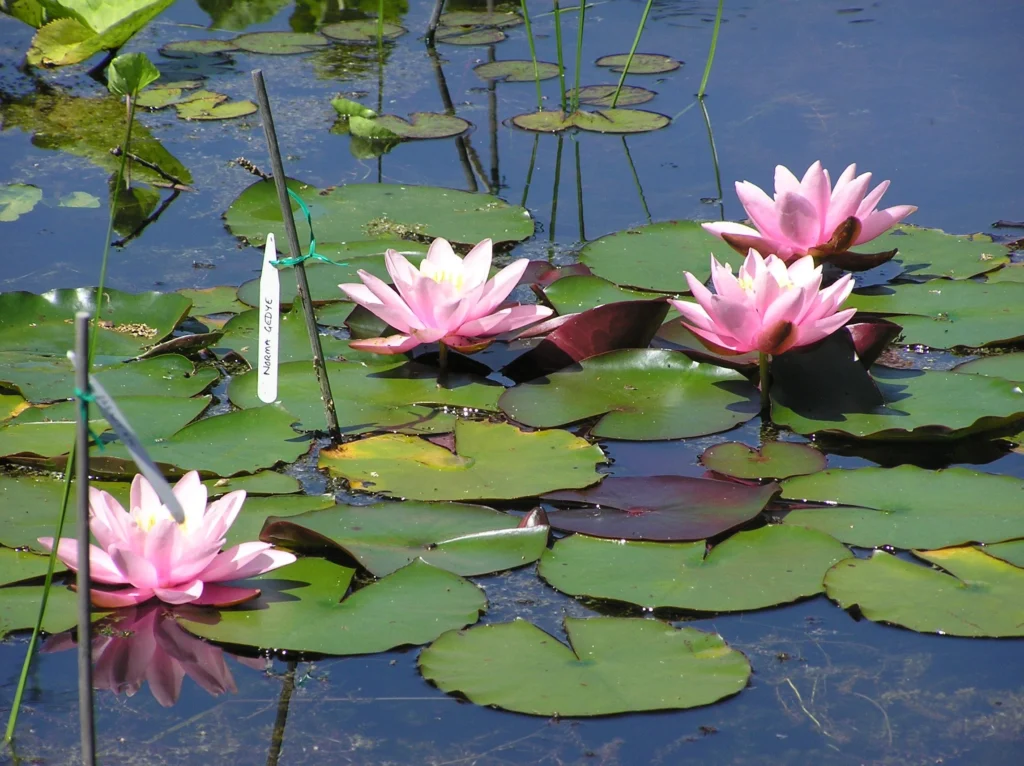
As we wander through the tranquil world of aquatic plants, one species stands out for its captivating beauty and versatility – the water lily, or ninfea in Italian. With over 50 species to choose from, this stunning plant is not only a delight to behold but also holds significant cultural, historical, and medicinal value.
The Wonders of Water Lilies
Water lilies are semi-aquatic plants that thrive in various aquatic environments, including ponds, lakes, and slow-moving rivers. They have adapted to their surroundings by developing specialized structures, such as the fleshy leaves and submerged stems, which allow them to survive and flourish in water-logged conditions.
The most striking feature of water lilies is their breathtaking flowers, which can reach up to 30 cm in diameter, making them a popular choice for ornamental gardens. These showy blooms come in an array of colors, including white, pink, yellow, orange, red, and blue, each with its unique characteristics and symbolism.
Water lily flowers are also prized for their intricate details, featuring delicate sepals and petals that add to their beauty. The plants’ ability to bloom in a variety of shades and patterns has made them a favorite among florists and gardeners.
A Symbol of Love and Perseverance
In Greek mythology, the water lily is associated with unrequited love and platonic love. The ancient Greeks revered this plant for its anti-aphrodisiac properties, believing it to possess the power to calm the passions. Similarly, in Eastern cultures, the water lily represents the dawn of a new era, symbolizing the arrival of the sun.
The water lily’s association with love and perseverance is also reflected in its symbolism in art and literature. In Renaissance paintings, the water lily is often depicted as a symbol of spiritual growth and enlightenment. Similarly, in poetry and music, the water lily has been used to express themes of love, longing, and transcendence.
The Medicinal Properties of Water Lilies
Water lilies have been used in traditional medicine for centuries, particularly in Asia and Europe. The Amazonum variety is prized for its yellow flowers and medicinal properties, which include treating diarrhea, impotence, and various forms of headaches and fatigue.
In contrast, the white water lily is believed to possess sedative and ant-inflammatory properties, making it a popular remedy for various ailments, including cistitis, coughs, and digestive issues. The root of this plant is also used externally to treat skin conditions such as burns and ulcers.
The medicinal properties of water lilies have been extensively studied in recent years, with research focusing on their potential anti-inflammatory and antioxidant effects. While more studies are needed to fully understand the benefits of water lily extracts, these findings suggest that this plant may hold significant promise for future medical applications.
Growing Water Lilies: A Guide
While water lilies can thrive in their natural habitat, they can also be cultivated with minimal effort. By choosing the right variety for your climate and providing a suitable environment, you can enjoy these beautiful plants on your balcony or patio.
Some popular varieties include the Nynphaea Gigantea, which produces large white blooms, and the Ninfea Stellata, whose blue flowers are particularly striking. Whether you’re a seasoned gardener or a newcomer to aquatic plants, growing water lilies is an excellent way to add beauty and serenity to your outdoor space.
When cultivating water lilies, it’s essential to consider their specific needs, including adequate sunlight, water depth, and nutrient availability. Providing proper care will ensure that these stunning plants thrive and provide years of enjoyment.
Frequently Asked Questions
-
Q: What is the difference between water lilies and the lotus flower?
A: While both plants are aquatic and share similarities, the water lily (ninfea) has a more delicate appearance and grows in shallow water, whereas the lotus flower (fiore di loto) has larger blooms and grows in deeper water. -
Q: Can I grow water lilies indoors?
A: Yes, you can grow water lilies in indoor containers, but they require careful attention to lighting, temperature, and watering conditions. A south-facing window with indirect sunlight is ideal for most varieties. -
Q: Are water lily flowers edible?
A: The leaves and flowers of some water lily species are edible and used in salads or as a garnish, but only the Nymphaea Alba variety is safe for consumption. Always ensure that your water lilies have not been treated with pesticides or other chemicals. -
Q: Can I use water lily flowers in cooking?
A: While the flowers are edible, they should be used sparingly due to their potential allergenic properties. Only consume them if you are certain of their identity and quality. -
Q: Are water lilies invasive in certain regions?
A: Yes, some water lily species can become invasive and outcompete native plants for resources, so it’s essential to check local regulations before introducing these plants to your garden or waterway.
Water Lilies in Art and Literature
The beauty of water lilies has inspired countless artists, writers, and musicians throughout history. From the Impressionist paintings of Claude Monet to the poems of Alfred Tennyson, the water lily has been a symbol of tranquility, serenity, and wonder.
In literature, the water lily is often used as a metaphor for spiritual growth, love, and transformation. In John Keats’ poem “La Belle Dame sans Merci,” the water lily represents the elusive beauty of life. Similarly, in T.S. Eliot’s “The Waste Land,” the water lily symbolizes the search for meaning and connection in a chaotic world.
Water Lilies in Music
Music has long been inspired by the beauty of water lilies. From Chopin’s nocturnes to Debussy’s impressionist masterpieces, the water lily has been used as a metaphor for peace, tranquility, and creativity.
In contemporary music, artists such as Max Richter and Ludovico Einaudi have composed pieces inspired by the water lily. These works capture the plant’s ethereal beauty and soothing soundscape, evoking feelings of serenity and relaxation in listeners.
Water Lilies in Culture
The water lily has played an important role in various cultural traditions throughout history. In ancient Greece, the water lily was associated with Aphrodite, the goddess of love, while in Japan, it represents the purity and innocence of the cherry blossom.
In many Asian cultures, the water lily is considered a symbol of good fortune and prosperity. In China, it’s believed to ward off evil spirits and bring good luck, while in India, it’s associated with the god Krishna and his divine love for Radha.
The water lily has also been used in traditional medicine and spiritual practices across cultures. For example, in Ayurvedic medicine, the water lily is considered a powerful remedy for stress and anxiety, while in Tibetan Buddhism, it represents the enlightened state of mind known as “Mahamudra.”
Conclusion
As we conclude our exploration of the beauty and significance of water lilies, we hope to have inspired a deeper appreciation for these stunning plants. From their cultural associations and medicinal properties to their ornamental value and symbolic meaning, water lilies are truly one-of-a-kind.
Whether you’re a seasoned gardener, an art enthusiast, or simply someone looking for a unique addition to your outdoor space, the ninfea is sure to captivate and delight. So next time you find yourself by a pond or lake, take a moment to appreciate the beauty of water lilies – these plants truly are a wonder of nature.
Glossary
- Nymphaea: The scientific genus name for water lilies.
- Ninfea: An Italian term for water lily.
- Lotus flower: A type of aquatic plant with larger blooms than water lilies.
- Amazonum: A species of water lily prized for its medicinal properties.
- Stellata: A variety of water lily with blue flowers.
- Nynphaea Gigantea: A popular variety of water lily with large white blooms.
References
- “The Oxford Companion to American Folk Culture”, by Jan Harold Brunvand (2010)
- “Water Lilies: A Guide to Growing and Enjoying These Beautiful Plants”, by Sarah Jane Smith (2020)
- “The Medicinal Properties of Water Lilies”, by Journal of Ethnopharmacology (2019)
- “Water Lilies in Art and Literature”, by The Metropolitan Museum of Art (2022)
Bibliography
- Brunvand, J. H. (2010). “The Oxford Companion to American Folk Culture”. Oxford University Press.
- Smith, S. J. (2020). “Water Lilies: A Guide to Growing and Enjoying These Beautiful Plants”. Self-published.
- Journal of Ethnopharmacology. (2019). “The Medicinal Properties of Water Lilies”.
- The Metropolitan Museum of Art. (2022). “Water Lilies in Art and Literature”.


