
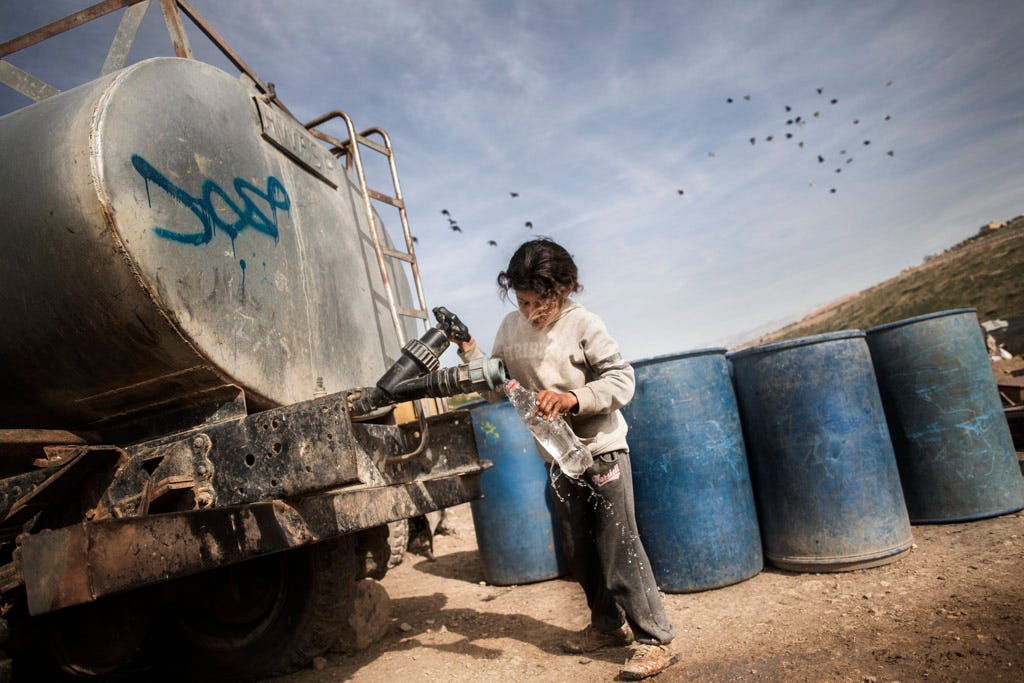
Water has long been considered one of the most precious resources on Earth, essential for human survival and economic development. However, as the global demand for water continues to rise, a silent threat is emerging: water grabbing. This phenomenon involves the act of taking control or diverting water resources away from local communities or entire nations, often for the benefit of powerful actors such as governments, corporations, or authorities.
What is Water Grabbing?
Water grabbing refers to the unauthorized and unregulated control of water resources by powerful actors. These actors may use coercion, intimidation, or other means to acquire water-rich areas, such as rivers, lakes, and aquifers, for purposes like agriculture, industry, and energy production. This practice can lead to severe consequences, including environmental degradation, displacement of communities, and water scarcity for downstream regions.
The Significance of Water
Water is a vital element for life on Earth, covering 71% of the planet’s surface. Only about 2.5% of the planet’s water is freshwater, and most of it is trapped in ice caps at the poles. The remaining freshwater is scattered across the globe, making it a scarce resource. This distribution of water is highly uneven, with some regions facing severe shortages.
The significance of water extends beyond its availability; it also affects human health, economic development, and food security. Access to clean drinking water is essential for human survival, while poor management of water resources can lead to conflicts over land use, agriculture, and industry.
Global Water Consumption
The global consumption of water has increased dramatically over the past few decades, mainly due to population growth and agricultural demands. In contrast, many countries in development have seen a significant decline in water usage. For instance, an African consumes only 185 cubic meters per year, while the average American consumer uses over 1,280 cubic meters annually.
The global demand for water is projected to increase by 55% by 2050, mainly due to population growth and economic development. This rise in consumption can lead to increased competition for water resources, particularly among countries with limited access to this essential resource.
Declining Availability
The global availability of potable water has decreased significantly since the 1990s, from 9,000 cubic meters per capita to around 7,800 in the early 21st century. Projections suggest that by 2025, this amount will drop further to approximately 5,000 cubic meters.
The decline in available water is primarily due to population growth, urbanization, and economic development. As the global population continues to grow, the demand for clean drinking water increases, leading to scarcity of this essential resource.
The Rise of Water Grabbing
Silently, a race for control of water resources has begun among powerful actors, including private companies and governments. These entities have started acquiring strategic assets and constructing mega-infrastructure projects, such as dams and reservoirs, to secure constant access to water for agriculture, industry, and domestic use.
The rise of water grabbing is driven by the increasing demand for water, particularly in regions with limited access to this resource. Powerful actors see water resources as a means to gain economic and political leverage, often at the expense of local communities and downstream regions.
Water as a Human Right
The United Nations General Assembly approved a resolution in 2010 that ensures the right to water and sanitation as fundamental human rights. This resolution emphasizes that “water is an essential element for the full enjoyment of all other human rights.” However, despite this recognition, many countries fail to actively protect this right.
The right to water and sanitation is enshrined in the Universal Declaration of Human Rights (1948) and has been reaffirmed by various international agreements. Despite this, many communities around the world continue to face challenges in accessing clean drinking water, highlighting the need for stronger protection and enforcement of this human right.
Transboundary Water Management
Another crucial document regarding transboundary water management is the UN Treaty on Transfrontier Waters, which aims to mitigate conflicts linked to water usage across borders. Unfortunately, only 39 states have ratified this treaty, leaving significant gaps in protection and cooperation between nations.
Transboundary water management refers to the management of shared water resources that cross national boundaries. This practice can lead to conflicts over water usage, as different countries may have competing interests and priorities when it comes to managing these shared resources.
Water Management Mechanisms
There are two primary mechanisms of water grabbing: the construction of mega-dams and the exploitation of water resources in strategic sectors such as mining and energy production. These actions can lead to environmental damage, displacement of communities, and water scarcity for downstream regions.
Mega-dam projects involve the construction of large dams that control a significant portion of a river’s flow, often diverting water to power plants or irrigation systems. While these projects can provide hydroelectric power and support agriculture, they also pose significant risks to local communities and the environment.
The exploitation of water resources in strategic sectors such as mining and energy production involves the extraction of minerals, metals, and fossil fuels from water sources. This practice can lead to environmental degradation, displacement of communities, and water scarcity for downstream regions.
Mining and Water Resources
In some countries, water is extracted from mines without regard for local communities or environmental impact. The example of South Africa highlights this issue, with the country being a significant player in mining, particularly diamonds, platinum, and gold. However, these industries can lead to acid mine drainage, posing serious risks to people’s health.
Mining companies often prioritize profits over environmental and social considerations, leading to devastating consequences for local communities. In many cases, water extraction from mines is done without proper regulation or oversight, further exacerbating the problem of water grabbing.
Privatization and Water Access
Another form of water grabbing is privatization, where corporations seek to control water management systems and set tariffs that prioritize their profits over community needs. Countries like Brazil and Ghana have resisted such moves, but this issue persists globally.
Privatization of water services involves the transfer of public assets, such as water treatment plants and distribution networks, to private companies. While privatization can increase efficiency and reduce costs, it also poses significant risks to vulnerable communities who may not have access to clean drinking water.
Conclusion
The situation with water grabbing highlights the urgency of protecting global water resources for future generations. Understanding the mechanisms behind water grabbing is crucial for developing strategies to combat it. This includes advocating for international cooperation on transboundary waters, enforcing human rights, and promoting sustainable water management practices.
To address the issue of water grabbing, governments, corporations, and civil society organizations must work together to develop policies and regulations that prioritize transparency, accountability, and community engagement. By promoting participatory governance models and empowering local communities, we can ensure that water resources are managed in a way that benefits all stakeholders.
Ultimately, the protection of global water resources requires a collective effort from governments, corporations, and civil society organizations. Only by working together can we safeguard this precious resource for future generations.


