
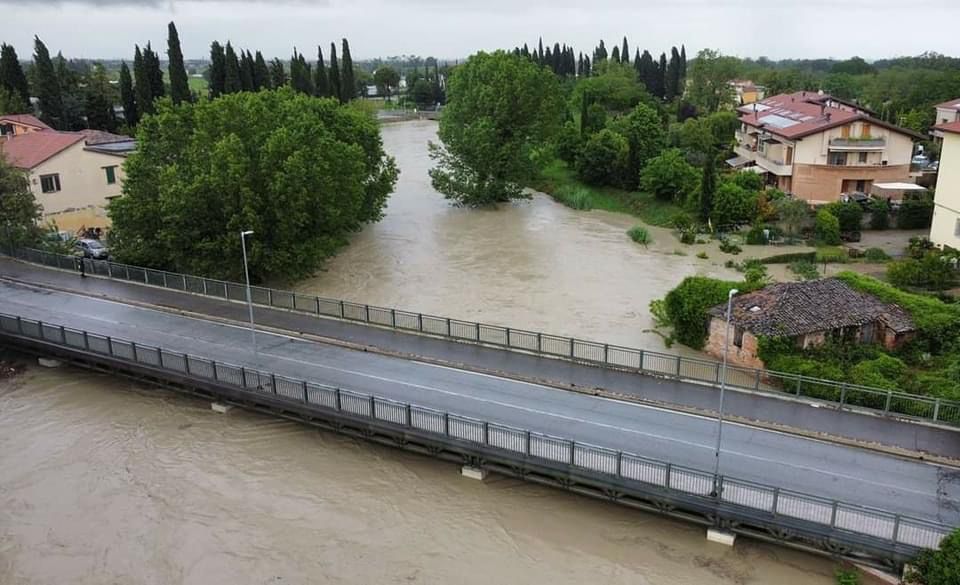
Introduction
The effects of climate change are no longer a topic of debate. Extreme weather events, including floods, are becoming increasingly common in Italy. A recent study published by the Politecnico di Torino has highlighted the growing trend of intense precipitation events, also known as “bombe d’acqua” in Italian.
What are Floods?
Floods, or nubifragio in meteorological terms, refer to heavy rainfall events characterized by a rain rate exceeding 30 mm per hour. While these events may be short-lived, they can cause significant damage and flooding, particularly in areas with poor drainage systems.
The Study
A recent study conducted by researchers at the Politecnico di Torino has shed light on the increasing trend of floods in Italy. The study, published in Geophysical Research Letters, analyzed historical data and regional monitoring networks to determine the extent of the problem. The research team, led by Pierluigi Claps, Daniele Ganora, and Andrea Libertino, found that:
- In certain regions of Italy, the intensity of floods is increasing, posing a significant challenge to urban drainage systems.
- These events are often sudden and unexpected, making it difficult for authorities to provide timely warnings to the public.
- The study emphasizes the need for improved preparedness measures to mitigate the impact of floods on communities.
Flash Floods: A Growing Concern
Flash floods, or “piene improvvise” in Italian, refer to rapid rises in water levels caused by intense rainfall. These events can be particularly devastating, especially in urban areas with inadequate drainage systems.
- According to experts, preparing for flash floods requires simulating scenarios of heavy rain and analyzing the consequences when existing defenses fail.
- This approach helps authorities develop effective emergency response plans and educate the public on flood risk.
- Furthermore, local authorities must implement measures to prevent and mitigate flash flooding, such as installing flood-resistant infrastructure and creating green spaces.
Tropicalization of Climate: Other Extreme Weather Events
Italy is not only experiencing an increase in floods but also other extreme weather events, such as intense storms and hail. The Coldiretti association has noted a significant rise in violent grandinates (hailstorms) this year, with 124 events recorded nationwide.
- This trend reflects a broader shift towards tropicalization of the climate, characterized by more frequent and intense extreme weather events.
- Experts warn that these changes pose a significant threat to Italian cities, which are increasingly vulnerable to natural disasters.
- In response to this trend, researchers and policymakers must work together to develop effective strategies for mitigating the impacts of extreme weather events.
Consequences of Extreme Weather Events
The increasing frequency and intensity of floods and other meteorological phenomena in Italy have significant consequences for communities. Some of these consequences include:
- Property damage: Flooding can cause significant damage to buildings, infrastructure, and personal property.
- Loss of life: Flash flooding is a major threat to human safety, with rapid rises in water levels making it difficult to evacuate people from affected areas.
- Economic disruption: Extreme weather events can disrupt economic activity, causing losses for businesses and industries.
Prevention and Mitigation Measures
To mitigate the impact of floods and other extreme weather events, Italian authorities must implement measures such as:
- Flood-resistant infrastructure: Installing flood-resistant materials in buildings, roads, and bridges to prevent damage from flooding.
- Green spaces: Creating green spaces in urban areas can help absorb rainfall and reduce the risk of flooding.
- Emergency response plans: Developing effective emergency response plans that include evacuation procedures, shelter placement, and other measures to protect people affected by extreme weather events.
Conclusion
The rising frequency and intensity of floods and other meteorological phenomena in Italy underscore the need for immediate action. Municipalities must develop effective adaptation plans to mitigate the impact of climate change on their communities.
Frequently Asked Questions
- What is the definition of a “bomba d’acqua”?
- A bomba d’acqua refers to heavy rainfall events characterized by a rain rate exceeding 30 mm per hour.
- How common are floods in Italy compared to other weather events?
- Floods have become increasingly frequent and intense, rivaling other extreme weather events like storms and hailstorms.
- What is the primary cause of flooding in urban areas?
- Poor drainage systems and inadequate infrastructure contribute to the vulnerability of cities to flash floods.
- How can authorities prepare for flood risk?
- Preparing for flood risk involves simulating scenarios of heavy rain, analyzing consequences when defenses fail, and developing effective emergency response plans.
- What role do municipalities play in adapting to climate change?
- Municipalities must develop adaptation plans to mitigate the impact of climate change on their communities, focusing on infrastructure resilience and public education.
- How can individuals prepare for floods?
- Individuals can take steps to reduce flood risk by adopting smart home technologies, installing flood-resistant roofing materials, and staying informed about weather conditions.
- What is being done to address the tropicalization of climate in Italy?
- Authorities are working to develop effective adaptation plans and educate the public on flood risk, while researchers continue to study the causes of extreme weather events.
- How can businesses prepare for floods?
- Businesses must focus on disaster resilience, implementing measures such as flood-resistant construction materials and emergency response protocols.
Recommendations
In light of the growing trend of floods and other meteorological phenomena in Italy, the following recommendations are made:
- Improve infrastructure: Invest in flood-resistant infrastructure, such as levees and green spaces, to mitigate the impact of extreme weather events.
- Enhance public education: Educate the public on flood risk and provide clear instructions on evacuation procedures and shelter placement.
- Develop effective emergency response plans: Create comprehensive emergency response plans that include measures to protect people affected by extreme weather events.
- Invest in research: Continue to study the causes of extreme weather events and develop strategies for mitigating their impacts.
By implementing these recommendations, Italian authorities can reduce the impact of floods and other meteorological phenomena on communities.


