
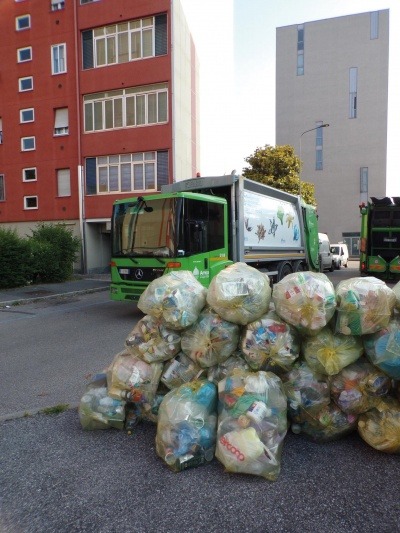
As the world grapples with the challenges of waste management, cities like Milan are taking bold steps towards sustainability. The umido, or organic waste, is a significant contributor to the city’s waste stream, making up 37.4% of the total. Yet, this material can be repurposed and reused, reducing the need for landfills and pollution.
The Umido: A Threatened Resource
With over 1,500 kg of solid urban waste produced every minute, Milan is one of the most prolific generators of rifiuti in the world. This results in an astonishing 800,000 tons of waste per year. Among these waste streams, the umido, or organic matter, holds great potential for transformation. It can be converted into valuable resources like fertilizers and biogas, reducing reliance on non-renewable energy sources.
The Problem: Why Separate Waste Matters
Historically, Milano has struggled with inadequate waste management practices. Separating the umido from other waste streams was not a priority, resulting in a significant portion of this valuable resource ending up in landfills. The consequences are far-reaching, contributing to greenhouse gas emissions and pollution. By implementing separate collection, we can unlock the potential of the umido.
The Science Behind Umido
Umido is composed primarily of biodegradable materials such as food waste, yard trimmings, and other organic matter. When sent to landfills, this material undergoes anaerobic decomposition, releasing methane – a potent greenhouse gas – into the atmosphere. In contrast, when properly managed, umido can be converted into valuable resources through processes like composting or biogas production.
The Benefits of Separate Collection
Implementing separate waste collection for umido offers numerous benefits:
- Reduced Greenhouse Gas Emissions: By diverting organic waste from landfills, we can minimize methane emissions and contribute to a cleaner environment.
- Conservation of Non-Renewable Resources: Utilizing umido as a source of fertilizers and biogas reduces our reliance on synthetic materials and energy sources.
- Promoting Sustainable Practices: Educating citizens about the importance of separate waste collection fosters an understanding of environmental responsibility.
Challenges and Considerations
While implementing separate collection for umido presents many benefits, there are also challenges to be addressed:
- Odor Control: Managing unpleasant odors during collection is crucial.
- Scalability: Expanding the program to other districts may require adjustments to logistics and infrastructure.
- Incentivizing Participation: Encouraging citizens to participate in separate collection will depend on providing clear guidelines, education campaigns, and incentives.
The Road Ahead
As Milan’s initiative gains momentum, it serves as a model for cities worldwide seeking to transition towards more sustainable waste management practices. By embracing innovative solutions like separate waste collection, we can create a brighter future for our planet.
Expansion and Growth: A National Model
The first phase of the program will involve approximately 170,000 households and 13,000 addresses in the South-Western district. This initial success is expected to increase recycling rates by 10%. As more districts are incorporated into the collection process, so too will the city’s commitment to sustainability.
Consequences of Non-Compliance: A Wake-Up Call
Failure to comply with separate waste collection regulations may result in fines and penalties. For those seeking guidance or reporting concerns, an accessible number has been established (800.33.22.99).
Conclusion: The Road to a Sustainable Future
Milano’s pioneering initiative sets an example for other cities worldwide, demonstrating that collective action can drive meaningful change. By embracing sustainable practices and engaging citizens in the process, we can create a brighter future for our planet.
Frequently Asked Questions (FAQs)
- When will the umido collection program begin?
The first phase starts on November 26th in the South-Western district of Milano. - What is the goal of the separate waste collection program?
To increase recycling rates from 34% to 65%, while promoting a culture of sustainability among Milanese residents. - How will the city ensure the success of this initiative?
A multi-faceted approach, including education campaigns, incentives, and the provision of clear guidelines. - What solutions are available for mitigating odors during separate collection?
Composters, isolated containers, and odor-reducing technologies can help minimize unpleasant smells. - Will there be any consequences for non-compliance with waste management regulations?
Yes, fines and penalties may apply for those who fail to adhere to the new regulations. - How can citizens report concerns or seek guidance regarding the program?
A dedicated number (800.33.22.99) has been established for inquiries and feedback. - What are the environmental benefits of separate waste collection?
Reduced greenhouse gas emissions, lower pollution levels, and potential reuse of organic matter as fertilizers or energy sources. - How does this program align with Milano’s broader sustainability goals?
The initiative contributes to a comprehensive strategy aimed at reducing waste, promoting recycling, and fostering a culture of environmental responsibility.
By embracing innovative solutions like separate waste collection, cities can set an example for the world and create a more sustainable future.


