
As the summer months approach, many of us look forward to spending time outdoors, enjoying nature, and being active. However, with the arrival of warmer weather comes the risk of encountering a pesky insect that can cause significant discomfort and even serious health issues: the vespa sting.
In this article, we will delve into the world of vespa stings, exploring what they are, how to recognize them, and most importantly, how to treat them effectively. We’ll also discuss the potential risks associated with these stings and provide guidance on when to seek medical attention.
Recognizing a Vespa Sting
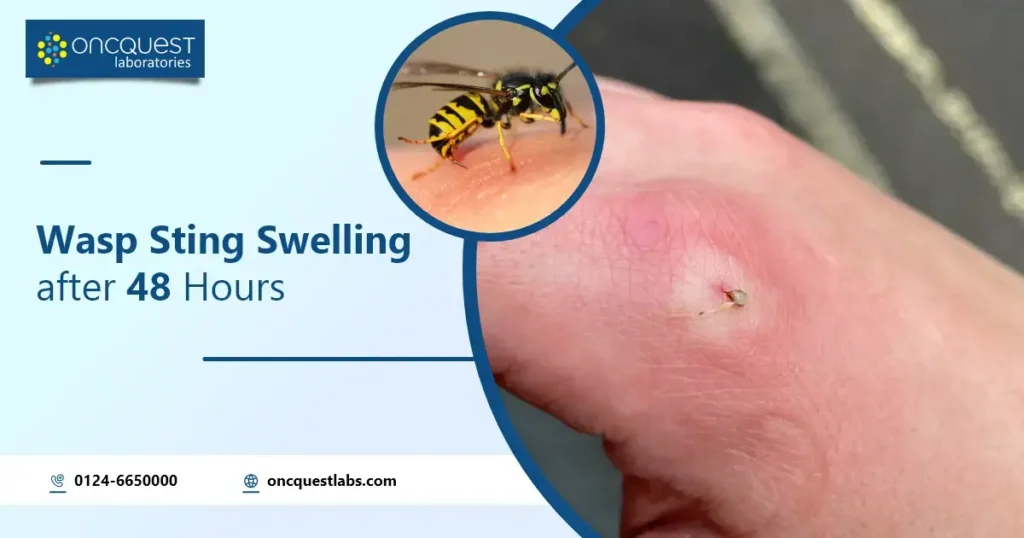
So, how do you know if you’ve been stung by a vespa? The symptoms can be quite telling. A vespa sting typically causes an intense burning sensation in the affected area, accompanied by pain, redness, swelling, and itching. The reaction to a vespa sting is usually localized, but in some cases, it can spread beyond the immediate area.
When examining the sting site, you may notice a small puncture wound or a small droplet of blood at the center of the affected area. As the sting heals, the redness and swelling will gradually subside over time.
Some common signs of a vespa sting include:
- A painful, burning sensation that can spread to surrounding areas
- Redness and swelling around the affected area
- Itching or pruritus, which may be intense enough to disrupt daily activities
- Small, raised bumps or blisters at the site of the sting
- In severe cases, vespa stings can cause more extensive reactions, such as hives, eczema, or even anaphylaxis
Allergic Reactions to Vespa Stings
While vespa stings are generally not life-threatening, some people can experience more severe reactions due to allergies. These individuals may develop symptoms such as:
- Hives (urticaria): itchy, raised bumps on the skin that can appear anywhere in the body
- Itching or pruritus: a feeling of intense itching or discomfort that can disrupt daily activities
- Swelling: swelling of the face, lips, tongue, or throat, which can be life-threatening if left untreated
- Stomach cramps
- Diarrhea
- Vomiting
- Difficulty breathing (anaphylaxis): a potentially deadly allergic reaction that requires immediate medical attention
If you experience any of these symptoms after a vespa sting, it’s essential to seek medical attention as soon as possible.
What to Do After a Vespa Sting
So, what can you do if you’ve been stung by a vespa? Follow these steps to minimize discomfort and prevent infection:
- Wash the affected area: Clean the sting site with soap and water to prevent infection.
- Apply an ice pack: Place an ice pack on the affected area for 10-15 minutes, several times a day, to reduce swelling and pain.
- Elevate the affected limb: If the sting occurred on your arm or leg, elevate the affected limb above heart level to reduce swelling.
- Take antihistamines (if necessary): If you’re allergic to vespa stings, take an antihistamine as directed to alleviate symptoms.
When to Seek Medical Attention
While most vespa stings can be treated at home, it’s essential to seek medical attention if:
- You experience severe pain or swelling that doesn’t improve with treatment
- You develop signs of infection, such as increased redness, swelling, or pus
- You have a history of allergies or anaphylaxis
- You’re unsure about the severity of your reaction
Conclusion
A vespa sting can be a frustrating and painful experience, but by recognizing the symptoms and taking the right steps to treat them, you can minimize discomfort and prevent complications. If you’re allergic to vespa stings, it’s crucial to take preventative measures and seek medical attention if you experience any unusual symptoms.
Frequently Asked Questions
Q: How long does a vespa sting typically last?
A: The healing process for a vespa sting usually takes 3-5 days, but some people may experience lingering discomfort or swelling for up to 7 days.
Q: Can I treat a vespa sting with over-the-counter pain medication?
A: Yes, you can try taking over-the-counter pain medication like ibuprofen or acetaminophen to alleviate symptoms. However, always follow the recommended dosage and consult with your doctor if necessary.
Q: Are there any long-term effects of a vespa sting?
A: In rare cases, a vespa sting can cause an allergic reaction that leads to long-term health issues. If you experience persistent or severe symptoms after a sting, consult with your doctor for further evaluation and guidance.
Q: How do I prevent future stings from occurring?
A: To minimize the risk of being stung by a vespa, wear protective clothing when outdoors, avoid sweet-smelling perfumes or colognes, and be mindful of your surroundings when approaching areas where vespas are present.
Q: Can I use epinephrine auto-injectors to treat anaphylaxis?
A: Yes, if you have a history of severe allergic reactions, it’s essential to carry an EpiPen or other epinephrine auto-injector with you at all times. If you experience symptoms of anaphylaxis, use the device as directed and seek medical attention immediately.
Q: How do I know if my reaction is anaphylaxis?
A: Anaphylaxis can manifest differently in different people. Common signs include difficulty breathing, rapid heartbeat, dizziness or fainting, nausea or vomiting, and a feeling of impending doom. If you experience any of these symptoms, call emergency services or seek immediate medical attention.
Q: Can I treat a vespa sting with home remedies?
A: While some home remedies like applying an ice pack or using baking soda may help alleviate symptoms, they are not a substitute for medical treatment. If you’re unsure about the severity of your reaction or experience any unusual symptoms, consult with your doctor for proper evaluation and guidance.
Q: Are there any differences between male and female vespa stings?
A: In most cases, the venom from both male and female vespas is identical, so there’s no significant difference in terms of sting severity. However, if you have a history of allergic reactions or anaphylaxis, it’s essential to take precautions when interacting with either sex of the vespa.
Q: Can I treat a vespa sting with antibiotics?
A: Antibiotics are not effective in treating vespa stings, as they do not address the underlying cause of the reaction. If you experience signs of infection, consult with your doctor for proper evaluation and treatment.
Additional Tips
- Avoid touching or handling vespas if possible, as this can increase the risk of being stung.
- Wear protective clothing when outdoors, such as long sleeves and pants, to minimize skin exposure.
- Use insect repellent containing DEET, picaridin, or oil of lemon eucalyptus to deter vespas from approaching you.
- Keep a safe distance from areas where vespas are present, such as near flower beds or grassy areas.
- Be aware of your surroundings and watch for signs of vespa activity, such as nests, eggs, or dead bees.
Vespa Sting Prevention
While it’s not possible to completely eliminate the risk of being stung by a vespa, there are steps you can take to minimize the likelihood:
- Wear protective clothing when outdoors.
- Use insect repellent containing DEET, picaridin, or oil of lemon eucalyptus.
- Keep a safe distance from areas where vespas are present.
- Avoid sweet-smelling perfumes or colognes that may attract vespas.
- Be mindful of your surroundings and watch for signs of vespa activity.
Conclusion
A vespa sting can be a frustrating and painful experience, but by recognizing the symptoms and taking the right steps to treat them, you can minimize discomfort and prevent complications. If you’re allergic to vespa stings, it’s crucial to take preventative measures and seek medical attention if you experience any unusual symptoms. By following these tips and being aware of your surroundings, you can reduce the risk of being stung by a vespa.


