
In recent months, the costs of electricity bills have been on the rise, and Google has seen a significant increase in searches for ways to reduce energy consumption. The government’s intervention has only partially mitigated the rising costs of raw materials and energy, resulting in a consistent growth rate of 29.8% (Source: Autorità di Regolazione per Energia Reti e Ambiente, Arera). This growth poses significant challenges for families with lower incomes.
What if the government hadn’t intervened? The cost increase would have been as high as +45%! So, how can you reduce your electricity consumption?
1. Monitoring Your Energy Consumption
The energy used in our homes is powering an increasing number of devices: lamps for household lighting, which we keep on longer during winter months when days are shorter and sunlight is less abundant, as well as various appliances (fridge, oven, washing machine, dryer, air conditioner, ironing machine, hair dryers, etc.), all devices that need to be recharged more or less frequently (smartphones, laptops, tablets, smartwatches, electric bicycles, bicycles, or electric cars for those who have already purchased them).
The first piece of information we should be aware of is the energy consumption of each device and each activity or charging cycle we decide to start.
2. Energy-Efficient Household Appliances
Understanding that different devices have varying impacts on your bill can help you make informed decisions. Here are some key household appliances that significantly impact your electricity bill:
- The fridge
- The air conditioner (previously called the condenser)
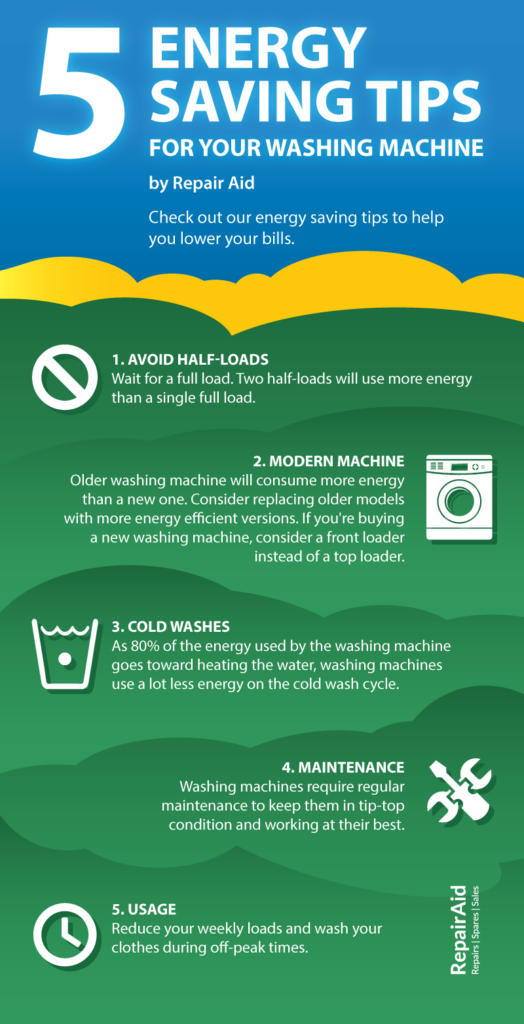
- The washing machine
- The dryer
In contrast, ovens and ironing machines consume less energy due to shorter usage periods.
3. The Myth of Stand-By Consumption
You may have come across recommendations to turn off or unplug small appliances in standby mode to reduce energy consumption. While this can help, the truth is that devices in standby mode consume very little energy. You shouldn’t prioritize reducing standby consumption unless you’re already doing so.
4. Thermal Insulation Importance
Limiting the use of space heaters during winter and air conditioners during summer is crucial. Ensuring your home has excellent thermal insulation is vital for achieving these goals. Utilize a thermoscan to identify areas in your home where heat is escaping or entering. By addressing these issues, you can save money on energy bills both in winter and summer.
If you have trouble pinpointing the causes of temperature fluctuations, consider simple DIY solutions like window treatments that block sunlight effectively.
While ideal living spaces are those found in well-insulated buildings, there’s no substitute for being aware of your home’s thermal dynamics.
5. Significant Investments
One way to significantly reduce energy consumption is by investing in solar panels. We’ve successfully implemented a 6 kW solar panel system at our IdeeGreen S.r.l. headquarters, which not only provides enough power for all the devices we use but also produces surplus energy during peak hours, allowing us to sell it on the open market.
During winter months, when daylight hours are shorter, energy production decreases accordingly, yet it still helps minimize consumption.
Keep in mind that purchasing a solar panel system is an investment that can only be considered feasible for individuals with ample roof space and sufficient funds (approximately $10,000).
Conclusion
Reducing electricity bills doesn’t have to break the bank. By understanding your home’s energy usage patterns and making informed decisions about appliances, insulation, and investments, you can make a significant impact on your energy consumption and save money in the long run.
Here are some frequently asked questions that address key concerns related to reducing electricity consumption:
- How can I monitor my energy consumption?
A smart meter or an energy monitoring system can help you track your energy usage. - What is the best way to reduce standby power consumption?
Turn off devices when not in use, and unplug them if they’re in standby mode. - How does thermal insulation affect my energy bills?
Proper insulation can significantly reduce heat loss during winter and heat gain during summer. - Can I afford a solar panel system?
While the initial cost is significant, solar panels can save you money on your energy bills over time.
FAQs
- How can I monitor my energy consumption?
You can use a smart meter or an energy monitoring system to track your energy usage. - What is the best way to reduce standby power consumption?
Turn off devices when not in use, and unplug them if they’re in standby mode. - How does thermal insulation affect my energy bills?
Proper insulation can significantly reduce heat loss during winter and heat gain during summer. - Can I afford a solar panel system?
While the initial cost is significant, solar panels can save you money on your energy bills over time. - What are some other ways to reduce energy consumption besides investing in solar panels?
Using power-efficient appliances, adjusting thermostat settings, and practicing behaviors like turning off lights when not needed can also help. - How long does it take for a new appliance with better energy efficiency to pay for itself?
This depends on the specific appliance and your usage patterns; generally, you’ll start seeing savings within a few years of purchase. - Can I use solar panels if I live in an area with limited sunlight?
While ideal conditions are those with full-time sunlight, some areas can still benefit from solar panel installation, especially during peak hours when energy demand is high. - How do I ensure my home remains well-insulated throughout the year?
Conduct regular checks for air leaks and consider professional insulation services if necessary.
By understanding your energy usage patterns and making informed decisions about appliances, insulation, and investments, you can significantly reduce your electricity bills and contribute to a more sustainable future.


