
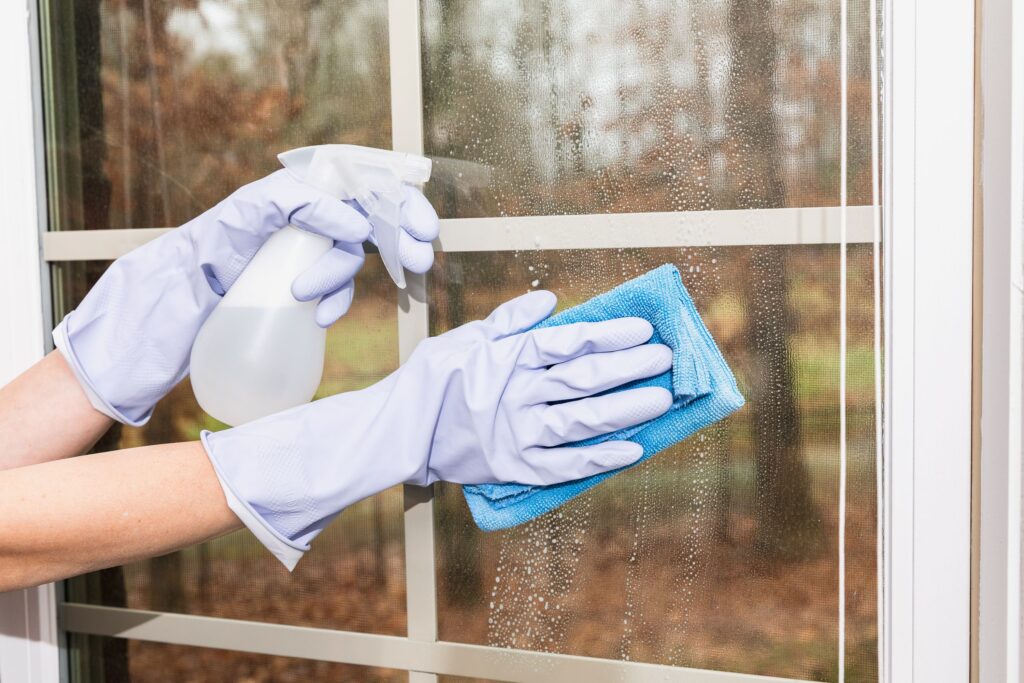
Understanding the Importance of Cleaning Glass Naturally
As we strive to live a more sustainable lifestyle, many of us are turning to natural products to clean our homes. One often-overlooked area is glass cleaning. In this article, we’ll explore why cleaning glass with natural products is not only effective but also good for the environment.
Glass surfaces can be prone to streaks and smudges, especially after a rainfall or when exposed to high humidity. However, these imperfections don’t necessarily require harsh chemicals to correct. Instead, we can use natural ingredients that are gentle on the glass while still providing an effective clean. By incorporating natural cleaning methods into your daily routine, you’ll not only reduce your environmental footprint but also create a healthier living space for yourself and those around you.
Pre-Cleaning Preparation: Removing Dust and Debris
Before you start cleaning your glass surfaces, it’s essential to remove any dust or debris that may be accumulated. You can use a dry cloth or an electrostatic lint roller to do this. Alternatively, you can use one of those handy ‘dust-attracting’ cloths that are specifically designed for this purpose.
By removing the initial layer of dirt and grime, you’ll create a better surface for your natural cleaning products to work on, ensuring a more effective clean.
The Power of Newspaper: A Natural Cleaning Agent
One of the most effective and eco-friendly methods for cleaning glass is using newspaper. Simply tear a page from your favorite newspaper, moisten it with a small amount of white vinegar (or lemon juice), and use it to wipe down your glass surfaces. This method is not only cost-effective but also environmentally friendly.
The acidity in the vinegar helps break down dirt and grime, while the ink on the newspaper provides a gentle scrubbing action that removes stubborn stains without scratching the glass surface.
A More Modern Approach: Using Natural Detergents
For more stubborn stains or grime buildup, you may need to use a natural detergent. One easy recipe involves mixing equal parts of water and white vinegar with a tablespoon of baking soda. Add this solution to your spray bottle and shake well before using it on your glass surfaces.
This homemade detergent is not only effective but also gentle on most glass surfaces. The baking soda acts as a mild abrasive, helping to remove tough stains while the vinegar provides an additional cleaning boost.
Alternative Cleaning Methods: Using Patatos and Cipollies
In our previous article, we suggested using patatos (potatoes) and cipollies (onions) as a natural cleaning agent for windows. This method may seem unconventional, but it’s surprisingly effective in removing stubborn stains and grime.
To use this method, simply boil the potato or onion in water until it’s soft and mashed. Then, mash the cooked vegetable into a paste and apply it to your glass surface using a cloth or sponge. Rinse with warm water and dry thoroughly for a streak-free shine.
This unique cleaning method leverages the natural properties of potatoes and onions to remove grime without leaving any harsh chemicals behind.
The Importance of Choosing the Right Cleaning Products
When selecting a cleaning product, look for ones that are labeled as “eco-friendly” or “biodegradable.” These products typically contain fewer harsh chemicals and are gentler on your glass surfaces. Avoid using products with ammonia or glycol ethylene, which can leave residues and damage your glasses.
By choosing eco-friendly cleaning products, you’ll reduce the amount of pollutants released into the environment while ensuring a safe and healthy living space for yourself and those around you.
Understanding Eco-Labels: A Guide to Sustainable Cleaning
When shopping for eco-friendly cleaning products, keep an eye out for labels such as Ecolabel, Aiab, Ecocert, Icea, and EcoBio. These certifications ensure that the product meets certain standards for biodegradability and non-toxicity.
By opting for eco-labeled products, you’ll be supporting a more sustainable approach to cleaning while enjoying the benefits of effective glass cleaning.
Conclusion: A Greener Way to Clean Glass
In conclusion, cleaning glass with natural products is not only effective but also a sustainable approach to maintaining your home. By using methods like newspaper, natural detergents, and alternative cleaning agents, you can reduce your environmental impact while keeping your glass surfaces sparkling clean.
With these simple tips and tricks, you’ll be well on your way to creating a healthier living space that’s gentle on the environment.
Frequently Asked Questions (FAQs)
Q: What’s the best way to remove stubborn stains from glass?
A: For tough stains, try using a mixture of baking soda and water as a paste. Apply it to the stain, let it sit for a few minutes, and then wipe clean with a damp cloth.
Q: Can I use any type of vinegar to clean glass?
A: While white vinegar is generally safe to use on glass, be sure to choose an unflavored variety to avoid leaving streaks or residue.
Q: Are there any specific types of cleaning products that are toxic to humans and animals?
A: Yes, some cleaning products contain harsh chemicals like ammonia, glycol ethylene, and colorants. Always check the ingredient label before using a product on glass surfaces.
Q: How often should I clean my glass surfaces?
A: Regularly cleaning your glass surfaces will help prevent grime buildup and keep them sparkling clean. Aim to wipe down your windows and mirrors at least once a week.
Q: Can I use natural cleaning products on tinted glass or mirrors?
A: While most natural cleaning products are safe for most glass surfaces, be cautious when using them on tinted glass or mirrors. Always test a small area first to ensure the product doesn’t leave streaks or residue.
Q: Are there any specific eco-friendly certifications I should look for when shopping for cleaning products?
A: Look for labels like Ecolabel, Aiab, Ecocert, Icea, and EcoBio, which ensure that the product meets certain standards for biodegradability and non-toxicity.
Q: Can I make my own natural cleaning products at home?
A: Yes! Many common household items can be repurposed as natural cleaning agents. For example, baking soda and vinegar are a classic combination for cleaning surfaces.
Q: What’s the best way to store natural cleaning products to keep them effective?
A: Store your natural cleaning products in an airtight container to protect them from moisture and air. This will help maintain their effectiveness and shelf life.
Q: Can I use natural cleaning products on other household surfaces, such as countertops or sinks?
A: While many natural cleaning products are safe for general-purpose cleaning, be sure to test a small area first to ensure they won’t damage specific materials or leave residue.
By embracing these eco-friendly tips and tricks, you’ll be well on your way to creating a healthier living space that’s gentle on the environment.


