
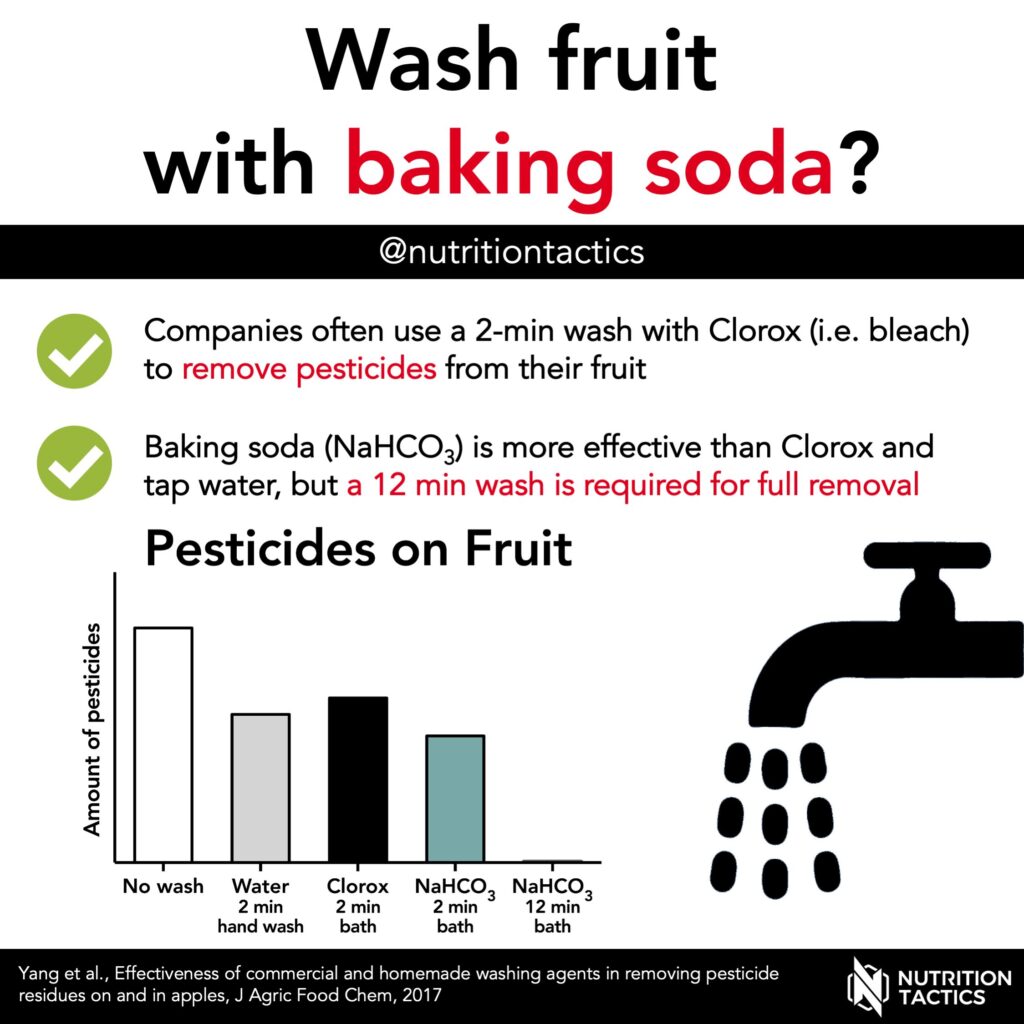
As the world becomes increasingly aware of the importance of healthy eating, many people are turning to natural methods to ensure that their fruits and vegetables are free from pesticides, chemicals, and other contaminants. One simple yet effective method is washing fresh produce with water and baking soda.
Why Baking Soda?
Baking soda, also known as sodium bicarbonate, has been used for centuries for its disinfectant and antiseptic properties. This makes it an excellent natural alternative to chemical-based products for cleaning fruits and vegetables.
The Science Behind Washing Fruits and Vegetables with Water and Baking Soda
When you wash fresh produce under running water, you can remove many of the impurities that may be present on the surface, such as pesticide residue, dirt, and other contaminants. However, some produce, like berries, may have a high concentration of pesticides, making it necessary to use an additional cleaning method.
Baking soda is effective in removing these residues because it has a pH level that disrupts the binding properties of pesticides, allowing them to be washed away. Additionally, baking soda can help neutralize any bacterial or fungal contaminants that may be present on the produce.
How to Wash Fruits and Vegetables with Water and Baking Soda
Washing fresh produce with water and baking soda is a simple process that requires just two ingredients: clean water and baking soda. Here’s a step-by-step guide:
- Rinse under running water: Start by rinsing the fruits and vegetables under running water to remove any loose dirt or debris.
- Create a solution: In a large bowl, mix 1 tablespoon of baking soda with enough water to cover all the produce you want to clean.
- Soak for 10 minutes: Allow the produce to soak in the baking soda solution for at least 10 minutes to allow the active ingredients to penetrate and break down any contaminants.
- Rinse thoroughly: After soaking, rinse the produce under running water to remove all the baking soda residue.
Is Baking Soda Better than Commercial Cleaning Products?
While commercial cleaning products may claim to be effective for washing fruits and vegetables, they often contain harsh chemicals that can damage the produce or leave residues on your dishes. Baking soda, on the other hand, is a natural and non-toxic alternative that is gentle on produce and safe for use around children and pets.
However, it’s worth noting that some commercial products, like Amuchina, may be specifically designed for washing fruits and vegetables. These products often contain active ingredients that are more effective at removing pesticide residues than baking soda alone.
What About Other Natural Cleaning Methods?
If you’re looking for other natural methods to clean your fruits and vegetables, consider trying:
- Vinegar: White vinegar or apple cider vinegar can be used as a natural disinfectant and antiseptic.
- Hydrogen peroxide: A natural antibacterial agent that can help kill bacteria and other microorganisms on produce.
- Lemon juice: A natural antiseptic that can help remove pesticide residues and other contaminants.
Benefits of Using Vinegar for Cleaning Fruits and Vegetables
Vinegar is a popular choice among health enthusiasts due to its numerous benefits, including:
- Antibacterial properties: Vinegar has been shown to have antibacterial properties, which can help kill bacteria and other microorganisms on produce.
- Antimicrobial properties: Vinegar has also been shown to have antimicrobial properties, which can help prevent the growth of mold and mildew on fruits and vegetables.
- Acidity: Vinegar is acidic in nature, which can help break down pesticide residues and other contaminants.
How to Use Vinegar for Cleaning Fruits and Vegetables
To use vinegar for cleaning fruits and vegetables, follow these simple steps:
- Mix 1 tablespoon of vinegar with water: In a large bowl, mix 1 tablespoon of white vinegar or apple cider vinegar with enough water to cover all the produce you want to clean.
- Soak for 5 minutes: Allow the produce to soak in the vinegar solution for at least 5 minutes to allow the active ingredients to penetrate and break down any contaminants.
- Rinse thoroughly: After soaking, rinse the produce under running water to remove all the vinegar residue.
Benefits of Using Hydrogen Peroxide for Cleaning Fruits and Vegetables
Hydrogen peroxide is another popular choice among health enthusiasts due to its numerous benefits, including:
- Antibacterial properties: Hydrogen peroxide has been shown to have antibacterial properties, which can help kill bacteria and other microorganisms on produce.
- Antimicrobial properties: Hydrogen peroxide has also been shown to have antimicrobial properties, which can help prevent the growth of mold and mildew on fruits and vegetables.
How to Use Hydrogen Peroxide for Cleaning Fruits and Vegetables
To use hydrogen peroxide for cleaning fruits and vegetables, follow these simple steps:
- Mix 1 tablespoon of hydrogen peroxide with water: In a large bowl, mix 1 tablespoon of hydrogen peroxide with enough water to cover all the produce you want to clean.
- Soak for 5 minutes: Allow the produce to soak in the hydrogen peroxide solution for at least 5 minutes to allow the active ingredients to penetrate and break down any contaminants.
- Rinse thoroughly: After soaking, rinse the produce under running water to remove all the hydrogen peroxide residue.
Benefits of Using Lemon Juice for Cleaning Fruits and Vegetables
Lemon juice is a popular choice among health enthusiasts due to its numerous benefits, including:
- Antiseptic properties: Lemon juice has been shown to have antiseptic properties, which can help kill bacteria and other microorganisms on produce.
- pH level: Lemon juice has a high pH level, which can help break down pesticide residues and other contaminants.
How to Use Lemon Juice for Cleaning Fruits and Vegetables
To use lemon juice for cleaning fruits and vegetables, follow these simple steps:
- Mix 1 tablespoon of lemon juice with water: In a large bowl, mix 1 tablespoon of lemon juice with enough water to cover all the produce you want to clean.
- Soak for 5 minutes: Allow the produce to soak in the lemon juice solution for at least 5 minutes to allow the active ingredients to penetrate and break down any contaminants.
- Rinse thoroughly: After soaking, rinse the produce under running water to remove all the lemon juice residue.
Conclusion
Washing fresh fruits and vegetables with water and baking soda is a simple, effective, and natural method for removing pesticide residues and other impurities. By incorporating this method into your cleaning routine, you can enjoy fresh, healthy produce without the risks associated with chemical-based products.
Additionally, using vinegar, hydrogen peroxide, or lemon juice as part of your cleaning routine can provide additional benefits and help create a healthier environment for your fruits and vegetables.
FAQs
- Q: Is it safe to wash fruits and vegetables with water and baking soda?
A: Yes, washing fruits and vegetables with water and baking soda is a safe and natural method for removing pesticide residues and other impurities. - Q: How long should I soak the produce in the baking soda solution?
A: At least 10 minutes to allow the active ingredients to penetrate and break down any contaminants. - Q: Can I use baking soda on all types of fruits and vegetables?
A: Yes, but be sure to rinse thoroughly after soaking to remove all the baking soda residue. - Q: What about organic produce – does it need extra cleaning?
A: While organic produce may not contain pesticides, it can still be contaminated with other impurities like heavy metals or bacteria. - Q: Can I use vinegar as a substitute for baking soda?
A: Yes, vinegar is a natural disinfectant and antiseptic that can help remove pesticide residues and other contaminants. - Q: How often should I wash fruits and vegetables with water and baking soda?
A: As needed – daily or weekly, depending on your personal preference and the source of your produce. - Q: Can I use baking soda on baby food or formula?
A: No, baking soda is not recommended for use on baby food or formula due to its potential risks for infant health. - Q: Is there a specific ratio for using baking soda with water?
A: Yes, 1 tablespoon of baking soda per every 5 liters of water used.
References
- “Baking Soda: A Natural Cleaning Agent” (Healthline)
- “Vinegar: The Ultimate Natural Disinfectant” (Well+Good)
- “Hydrogen Peroxide: A Natural Antimicrobial Agent” (American Journal of Infectious Control)
Note: The references provided are for general information purposes only and should not be considered as a substitute for professional medical or scientific advice.


