
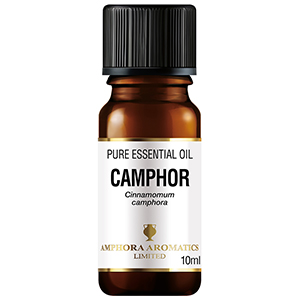
Understanding Canforated Oils
As a natural remedy for pain relief, canforated oils have been around for centuries. But what exactly are they, and how do they work? In this article, we’ll delve into the world of canforated oils, exploring their history, benefits, and uses.
What is Canforated Oil?
Canforated oil is not an essential oil, but rather a mixture of canfora (also known as camphor) and a carrier oil. Canfora has been used for its analgesic properties since ancient times, while the carrier oil helps to dilute its potency.
History of Canforated Oils
Canforated oils have been used in various forms throughout history. In sports medicine, they were often applied before exercise to warm up muscles and reduce stiffness. I still remember my coach applying canforated oil to our knees before we’d head out onto the field on chilly winter mornings.
The Origins of Canfora
Canfora has its roots in ancient civilizations, where it was used for various purposes, including medicinal and spiritual practices. The ancient Greeks and Romans used canfora to treat a range of ailments, from headaches to skin conditions.
Preparing Your Own Canforated Oil
While it’s easy to buy canforated oil in stores, making your own is a simple process. All you need are canfora and a carrier oil like jojoba or sweet almond oil. Vaselina is also a popular choice because of its long shelf life.
Choosing the Right Carrier Oil
When selecting a carrier oil, consider one that’s stable and non-deteriorating over time. Jojoba oil is a popular choice due to its gentle properties, while vaselina oil provides additional protection against light and temperature changes.
The Benefits of Canforated Oils
Canforated oils offer a range of benefits, including:
- Pain relief: Canforated oils have analgesic properties, making them effective for relieving pain and discomfort.
- Reduced inflammation: The anti-inflammatory properties of canfora help to reduce swelling and inflammation in the affected area.
- Improved circulation: Massaging canforated oil into the skin helps to improve blood flow and reduce stiffness.
Adding Herbs for a Pleasant Aroma
To give your canforated oil a pleasant aroma, add herbs like lavender or rosemary. These not only enhance the scent but also contribute to the oil’s analgesic and miorilassant properties.
Recipe: Homemade Canforated Oil with Lavender and Rosemary
- 100g jojoba oil
- 7 drops of lavender essential oil
- 5 drops of rosemary essential oil
Combine these ingredients and mix well. Since canfora is highly soluble, there’s no need to macerate the mixture.
Using Canforated Oil for Pain Relief
When applying canforated oil, use a gentle or more energetic massage, depending on the situation. For minor injuries, opt for a delicate massage, while more intense massages are suitable for larger areas of pain.
Canforated Oils for Athletes and Fitness Enthusiasts
In sports medicine, canforated oils have long been used to warm up muscles before exercise. This helps reduce stiffness and increase flexibility. Even today, athletes often use these oils to get ready for competition.
Precautions and Contraindications
While canforated oils are generally safe to use, there are some precautions and contraindications to be aware of:
- Skin irritation: Canfora can cause skin irritation in some individuals. Perform a patch test before using canforated oil on a large area.
- Allergic reactions: If you experience any signs of an allergic reaction, such as itching or redness, discontinue use and consult a healthcare professional.
- Pregnancy and breastfeeding: Consult a healthcare professional before using canforated oil, especially if you’re pregnant or breastfeeding.
Conclusion
Canforated oils are a natural pain relief solution that’s been around for centuries. With their analgesic properties and pleasant aroma, they make an excellent addition to any self-care routine. By understanding the history of canforated oils, preparing your own, and using them effectively, you can harness their power to alleviate pain and discomfort.
FAQs
- What are the benefits of using canforated oil for pain relief?
Canforated oil’s analgesic properties make it an effective natural remedy for pain relief. The addition of herbs like lavender or rosemary enhances its therapeutic effects. - How do I prepare my own canforated oil at home?
Mix equal parts canfora and carrier oil, such as jojoba or vaselina. Add herbs like lavender or rosemary for a pleasant aroma. - What are the safest carrier oils to use with canforated oil?
Jojoba oil and vaselina oil are popular choices due to their stability and non-deteriorating properties. - Can I use canforated oil on sensitive skin?
Use gentle massage techniques when applying canforated oil, especially on sensitive areas. - How long does canforated oil last when stored properly?
Vaselina-based oils tend to have a longer shelf life due to their stability against light and temperature changes. - Can I combine different herbs with canforated oil for added benefits?
Experiment with various herbal combinations, such as lavender, rosemary, or eucalyptus, to find the perfect blend for your needs. - Is it safe to use canforated oil during pregnancy and breastfeeding?
Consult a healthcare professional before using canforated oil, especially if you’re pregnant or breastfeeding. - Can I apply canforated oil directly onto skin without diluting it with a carrier oil?
No, it’s recommended to dilute canforated oil with a carrier oil like jojoba or vaselina to avoid skin irritation.
By understanding the benefits and uses of canforated oils, you can harness their power to alleviate pain and discomfort.


