
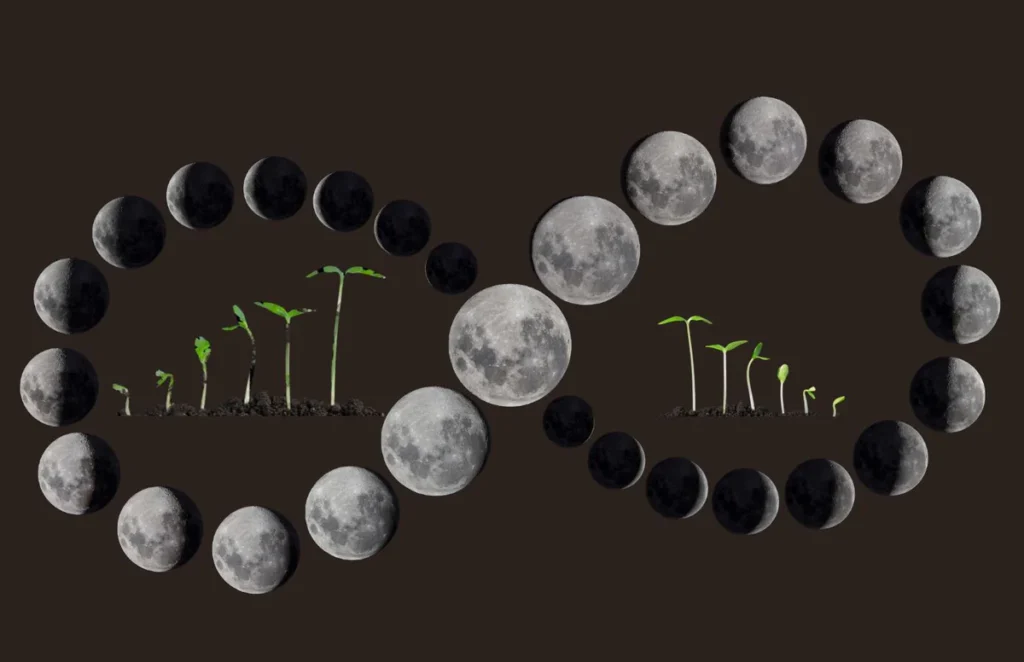
As an avid gardener, you’re likely aware of the importance of timing when planting and pruning your garden. While many gardening techniques are based on traditional practices passed down through generations, there’s a fascinating connection between the lunar cycle and plant growth that warrants attention. In this article, we’ll explore the benefits of planting during the waning moon, also known as the “lunar calante.”
Understanding the Lunar Cycle
The lunar cycle consists of four phases: new moon, crescent, full moon, and waning moon (or gibbous). The full moon is the most visible phase, while the waning moon occurs when the moon appears to be decreasing in size. For centuries, farmers and gardeners have observed that certain tasks are more beneficial during specific lunar phases.
Benefits of Planting During the Waning Moon
Planting during the waning moon offers several benefits for your garden:
- Root Development: The waning moon is ideal for planting roots, such as carrots, beets, and radishes. This allows them to establish a strong root system before the soil becomes too dry.
- Reduced Transpiration: Plants grown during this phase tend to have reduced transpiration rates, resulting in more efficient water use and less risk of drought stress.
- Increased Nutrient Uptake: The waning moon promotes nutrient uptake by plants, which can lead to healthier growth and increased yields.
Best Plants for the Waning Moon
Some popular vegetables and flowers that thrive during the waning moon include:
- Lettuce, Spinach, and Other Leafy Greens: These crops benefit from the reduced transpiration rates and increased nutrient uptake.
- Herbs: Many herbs, such as mint, basil, and parsley, grow well during this phase due to their adaptability to changing moisture levels.
- Fruits: Plants like grapes, figs, and pomegranates tend to produce better yields when planted during the waning moon.
Timing is Everything
To make the most of the lunar calante, it’s essential to understand the timing. Most gardening calendars recommend planting in phases with specific instructions for each:
- Full Moon: Ideal for pruning, weeding, and fertilizing.
- Waning Moon (Gibbous): Best for planting roots, transplants, and harvesting.
- New Moon: Use for tasks like sowing seeds, making compost, or repotting plants.
Tips and Tricks
Here are some additional tips to help you make the most of your gardening efforts:
- Make sure to check local weather forecasts before planting, as unexpected changes in temperature or precipitation can impact plant growth.
- Keep an eye on your garden’s specific needs, adjusting your lunar calendar accordingly. Different plants require different conditions.
- Consider incorporating beneficial insects and microorganisms into your garden to enhance soil health.
Preparation is Key
Before you start planting during the waning moon, make sure you’ve prepared your garden:
- Soil Preparation: Test your soil pH levels and adjust accordingly. Add organic matter like compost or manure to improve soil fertility.
- Watering: Check your irrigation system’s efficiency, and consider implementing rainwater harvesting or drip irrigation to minimize water waste.
Planting Techniques
To get the most out of planting during the waning moon:
- Digging: Dig gently but thoroughly to avoid damaging roots. This will help prevent erosion and ensure proper drainage.
- Transplanting: Choose healthy plants with well-developed root systems, and handle them carefully to prevent shock.
Monitoring Your Garden
As your plants grow during the waning moon:
- Keep a Journal: Record temperature fluctuations, rainfall patterns, and any issues you encounter. This will help you refine your lunar calendar over time.
- Inspect Regularly: Check for signs of pests, diseases, or nutrient deficiencies, and take prompt action to address them.
Common Challenges
Some common challenges arise when planting during the waning moon:
- Weather Conditions: Unpredictable weather patterns can impact plant growth. Be prepared for changes in temperature and precipitation.
- Pests and Diseases: Plants grown during this phase may be more susceptible to pests and diseases.
Overcoming Common Challenges
To address common challenges, consider the following strategies:
- Integrated Pest Management (IPM): Implement a holistic approach to managing pests, including crop rotation, biological control, and organic pesticides.
- Organic Soil Amendments: Use natural fertilizers like compost or manure tea to enhance soil fertility.
Conclusion
By understanding the benefits of planting during the waning moon, you’ll be able to optimize your gardening routine for maximum efficiency and growth. While this practice may seem old-fashioned, its roots in traditional farming practices remain a testament to the power of lunar cycles on plant development. With a little patience and knowledge, you can unlock the full potential of your garden.
Frequently Asked Questions
1. What are the benefits of planting during the waning moon?
Planting during the waning moon offers several benefits for your garden, including:
- Root development
- Reduced transpiration rates
- Increased nutrient uptake
2. Which plants grow well during the waning moon?
Some popular vegetables and flowers that thrive during this phase include:
- Lettuce, spinach, and other leafy greens
- Herbs like mint, basil, and parsley
- Fruits like grapes, figs, and pomegranates
3. How can I optimize my gardening routine using a lunar calendar?
To make the most of your gardening efforts:
- Check local weather forecasts before planting.
- Adjust your lunar calendar based on specific plant needs.
- Incorporate beneficial insects and microorganisms to enhance soil health.
4. Can I still grow plants during other phases of the moon?
While some plants may not respond as well to certain lunar cycles, many can be grown successfully throughout the year using a traditional gardening approach.
5. Is there any scientific evidence to support the effectiveness of lunar calendars in gardening?
While there is limited research on this topic, many gardeners and farmers report positive results from using lunar calendars in their practice.
6. Can I use a lunar calendar for other outdoor activities besides gardening?
Yes! A lunar calendar can be applied to various outdoor activities like:
- Fishing
- Foraging
- Nature photography
7. Are there any cultural or spiritual practices associated with the waning moon?
In some cultures, the waning moon is associated with:
- Releasing old patterns and habits.
- Preparing for renewal and growth.
8. How can I create a lunar calendar tailored to my specific needs?
To develop a personalized lunar calendar:
- Research local weather patterns, planting times, and optimal activities for your region.
- Consider the specific needs of different plants and incorporate them into your calendar.
- Experiment with various techniques to refine your practice over time.


