
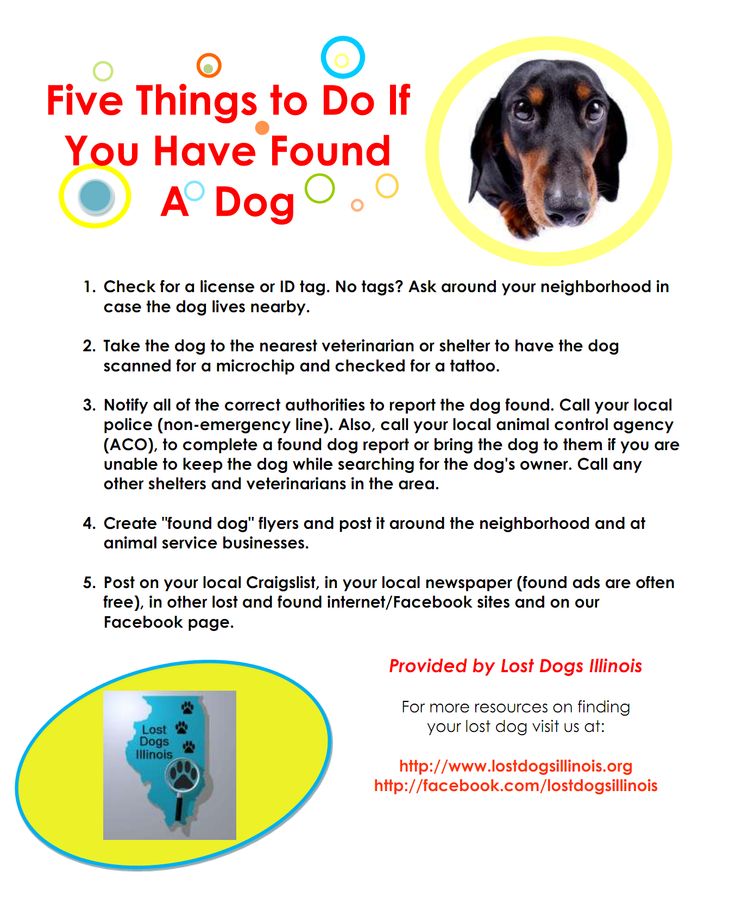
Losing your pet can be one of the most distressing experiences you’ll ever have. However, what if that lost pet is wandering around on its own? This guide will help you identify lost pets, understand their behavior, provide temporary care, locate their owners or potential new homes, and even offer practical advice on how to keep your own pets safe.
Understanding Lost Pets
When it comes to helping a lost pet, understanding the situation is crucial. Not all pets that are wandering around are in danger or without a home; some may simply be separated from their owners due to unforeseen circumstances such as natural disasters or accidents. If you come across a pet, it’s vital to approach with caution and care.
Identifying a Lost Pet
Here are several ways to identify if an animal is a lost pet:
- Checking for identification: Look for collars, tags, or microchips that might provide information about the pet’s owner.
- Behavioral cues: Pets may exhibit behaviors such as searching for their owners, trying to find food or shelter, or becoming anxious or fearful when approached by strangers.
- Physical condition: A lost pet may appear underweight, have visible injuries, or show signs of malnutrition.
What to Do If You Find a Lost Pet
If you encounter a lost pet that appears to be in distress or has potential identification tags:
- Contact local animal shelters and control services: Reach out to local shelters and authorities for guidance on the best course of action.
- Provide temporary care: Offer food, water, and shelter until help arrives. Be cautious when approaching the pet to avoid causing further stress.
- Scan for microchips: Take the pet to a veterinarian or animal hospital to scan for microchips that may contain the owner’s contact information.
Preventing Lost Pets
To minimize the risk of pets getting lost:
- Microchip your pets: Microchipping can significantly increase the chances of being reunited with your pet if they ever get lost.
- Use identification tags and collars: Make sure your pet’s identification tags are up-to-date and securely attached to their collar.
- Keep your contact information handy: Leave a list of important phone numbers, such as local shelters and veterinarians, in case you need assistance.
Additional Tips
- Stay calm when dealing with lost pets: Keep emotions in check to ensure the pet’s safety and well-being.
- Be aware of local regulations: Familiarize yourself with local laws regarding lost pets, including any necessary reporting requirements.
- Support animal welfare organizations: Consider donating to or volunteering for local animal shelters and rescue groups.
How to Handle Your Pet When They Get Lost
If your pet gets lost:
- Search the area: Thoroughly search your neighborhood and surrounding areas to see if your pet is visible.
- Contact neighbors and local authorities: Reach out to nearby residents, post flyers in the area, and contact local animal shelters and control services for assistance.
- Stay positive: Keep a positive attitude while searching for your pet, and remember that there are many resources available to help.
How to Help Your Pet Adjust to a New Home
If you find yourself with a lost pet:
- Provide food and water: Offer your pet their usual food and water as soon as possible.
- Create a safe environment: Provide a quiet and comfortable space for your pet to rest and acclimate to the new surroundings.
- Establish a routine: Gradually introduce your pet to their new daily routine, including feeding times and exercise.
How to Reunite with Your Lost Pet
If you’re searching for a lost pet:
- Check local shelters: Contact nearby animal shelters and control services to see if they have received any reports of a missing pet matching your pet’s description.
- Post flyers and social media: Distribute posters in the area, post on social media, and reach out to friends and family for assistance.
- Offer a reward: Consider offering a reward for information leading to your pet’s safe return.
Conclusion
Losing a pet can be heart-wrenching, but by understanding the situation and taking proactive steps, you can help lost pets find their way home. By working together with local authorities and supporting animal welfare organizations, we can build stronger bonds between humans and animals while ensuring their safety and well-being.


