
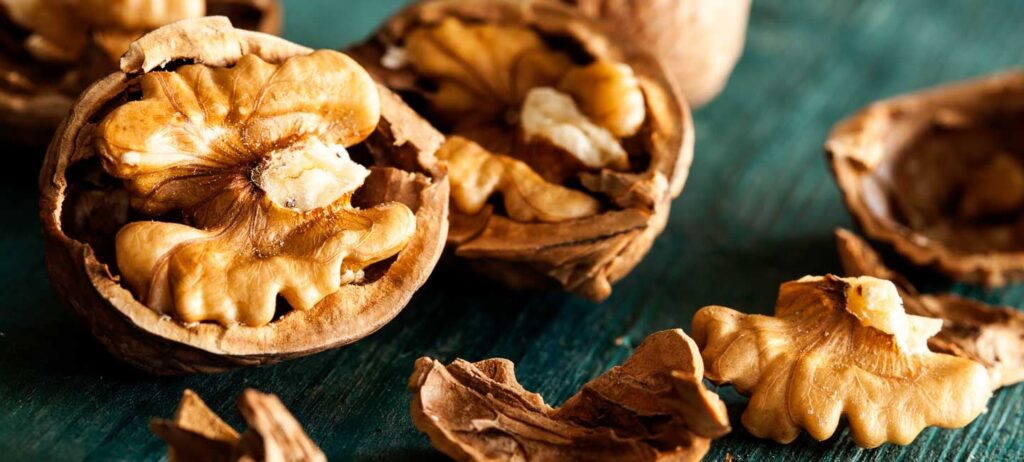
As we age, our risk of developing certain types of cancer increases. One of the most common cancers in men is prostate cancer, affecting one in six individuals. According to the National Cancer Institute USA, this disease has low mortality rates because it rarely spreads throughout the body. However, researchers have discovered that consuming nuts may help reduce the risk of developing prostate cancer.
The Benefits of Nuts on Prostate Health
Research published in the British Journal of Nutrition highlights the benefits of including nuts in your diet to reduce the risk of prostate cancer. Specifically, studies suggest that eating nuts can:
- Reduce the risk of developing prostate cancer
- Prevent or slow down the growth of tumors
- Improve overall health and well-being
The Science Behind Nuts and Prostate Health
A study conducted by the University of California discovered that mice fed a diet rich in nuts developed less aggressive prostate tumors. The researchers found that these mice experienced slower tumor growth rates compared to those fed a standard diet. This study suggests that consuming nuts may help prevent or slow down the development of prostate cancer.
The Nutritional Profile of Nuts
Nuts are considered one of the healthiest snack options due to their unique nutritional profile. These small, nutrient-dense foods contain:
- Healthy fats: Walnuts, almonds, and pecans are rich in healthy fats that can help reduce inflammation and promote overall health.
- Fiber: Nuts are a good source of dietary fiber, which can help lower cholesterol levels and improve digestive health.
- Antioxidants: Many types of nuts contain antioxidants like vitamin E and selenium, which can help protect cells from damage caused by free radicals.
- Phytochemicals: Nuts contain phytochemicals like polyphenols and flavonoids that have been shown to have anti-inflammatory properties.
How Nuts Can Help Reduce Cancer Risk
Research suggests that consuming nuts may help reduce the risk of developing prostate cancer. There are several ways in which nuts can contribute to this benefit:
- Reducing inflammation: The antioxidants and phytochemicals present in nuts can help reduce inflammation in the body, which is a known contributor to cancer development.
- Lowering cholesterol levels: The fiber and healthy fats found in nuts can help lower cholesterol levels, reducing the risk of cardiovascular disease and potentially prostate cancer.
- Preventing tumor growth: Some studies have suggested that consuming nuts may help prevent or slow down the growth of tumors, including those associated with prostate cancer.
The Impact on Human Health
While the study was conducted on mice, researchers believe that similar benefits may apply to humans. Paul Davis, a registered nutritionist and co-author of the study, suggests that incorporating nuts into your diet could be an effective way to prevent prostate cancer. “Nuts are a nutritious food that can provide essential nutrients like healthy fats, fiber, and antioxidants,” he says. “They’re also low in calories and high in satiety, making them a great snack option for people looking to manage their weight.”
Conclusion
In conclusion, consuming nuts as part of a balanced diet may help reduce the risk of developing prostate cancer. With their unique nutritional profile, these foods offer numerous health benefits that can improve overall well-being. While further research is needed to confirm these findings, incorporating nuts into your diet could be an effective way to promote prostate health.
Frequently Asked Questions
- What type of nuts should I eat?
- Walnuts, almonds, and pecans are high in antioxidants and healthy fats.
- How many nuts should I consume per day?
- Aim for 1 ounce (28g) or about a handful of nuts per serving.
- Can I substitute other foods for nuts?
- While nuts offer unique benefits, other foods like seeds, fruits, and vegetables also provide essential nutrients.
- What is the recommended daily intake of protein?
- Aim for 0.8 grams of protein per kilogram of body weight per day.
- How can I incorporate nuts into my diet?
- Add them to salads, yogurt, oatmeal, or use as a snack on their own.
- Can I eat raw or roasted nuts?
- Both raw and roasted nuts are nutritious options, but choose unsalted and unsweetened varieties for maximum benefit.
- What about nuts for children? Are they suitable for kids?
- Children should consume nuts in moderation as part of a balanced diet.
Incorporating Nuts into Your Diet
Nuts can be easily incorporated into your diet by adding them to your favorite dishes or using them as a snack on their own. Here are some ideas:
- Add chopped nuts to oatmeal, yogurt, or salads for added crunch and nutrition.
- Use nuts as a topping for smoothies or energy bars.
- Mix nuts with seeds and dried fruits for a healthy and nutritious trail mix.
Tips for Choosing the Right Nuts
When it comes to choosing the right nuts, there are several factors to consider. Here are some tips:
- Opt for unsalted and unsweetened varieties: These options tend to be lower in added sugars and sodium.
- Choose a variety of nuts: Eating a variety of nuts can provide a range of nutrients and health benefits.
- Consider the source: Nuts grown in sunny, dry climates may have higher levels of antioxidants than those grown in cooler, wetter regions.
Common Nuts and Their Nutritional Benefits
Here are some common types of nuts and their nutritional benefits:
- Walnuts: Rich in omega-3 fatty acids and antioxidants.
- Almonds: High in vitamin E and magnesium.
- Pecans: Good source of antioxidants and healthy fats.
By incorporating nuts into your diet, you can help reduce your risk of developing prostate cancer and promote overall health and well-being.


